
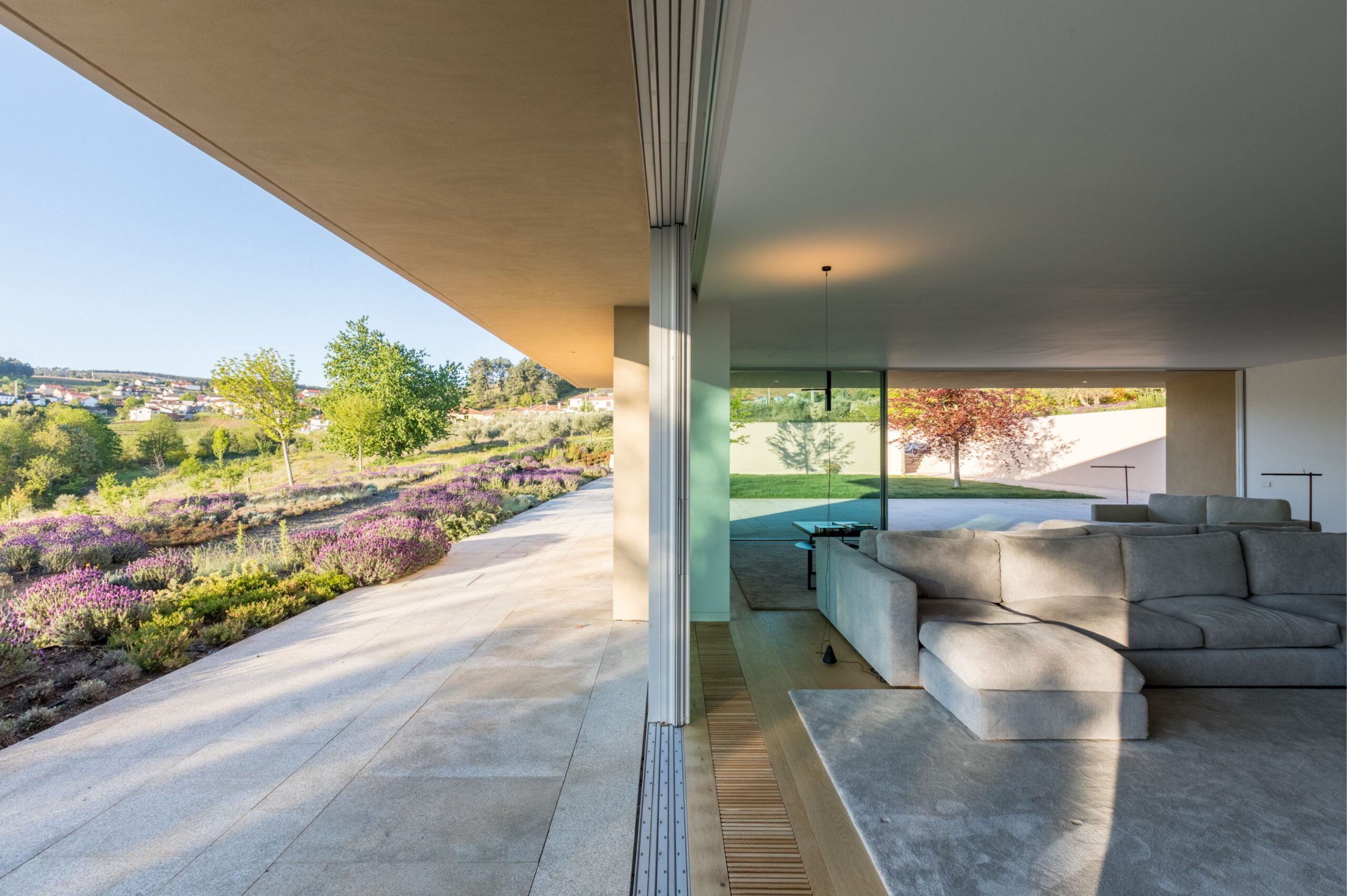
Contemporary architecture is characterized by openness, transparency, and an aligned relationship between interior and exterior spaces. Large glazed surfaces, floor-to-ceiling windows, and minimalist window frames have become distinctive features of modern residential design.
Behind every minimalist window system are engineering, materials, and precision manufacturing that directly impact a building’s performance. They play a fundamental role in creating comfortable living environments by maintaining stable indoor temperatures, reducing noise, and improving energy efficiency.
Understanding the technologies behind these systems explains why high-quality windows are an investment in architectural quality and long-term performance.
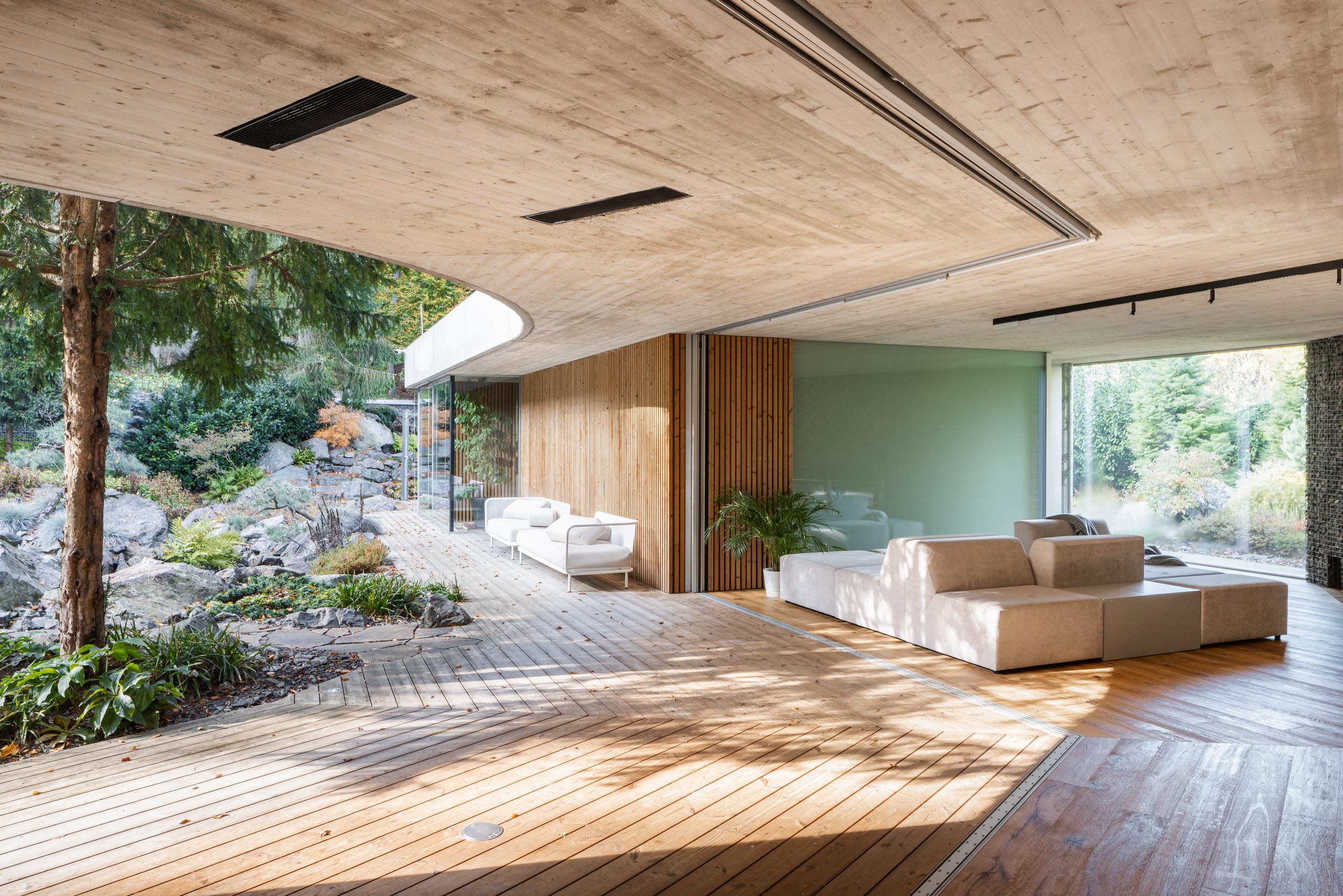
Bananka House | Paulíny Hovorka Architekti | © Matej Haka
Why window performance is important
Windows are among the most technically demanding elements of any building envelope. Besides providing natural light and unobstructed views, they must protect interiors from heat loss, solar gain, exterior noise, wind, and moisture.
Low-performance glazing systems can cause uncomfortable temperature fluctuations, condensation, high energy consumption, and unwanted noise transmission. High-performance systems contribute to healthier, quieter, and more energy-efficient homes while supporting the architectural vision of openness and transparency.
A window’s performance is never determined by a single component. It results from the interaction of various technologies working together.
Read also– Floor-to-Ceiling Glazing in Luxury Homes: Benefits & Challenges
Thermal Breaks: Reducing heat transfer
One of the most important innovations in modern window design is the thermal break.
Aluminum is valued for its structural strength, slim profiles, and durability, but it is also an excellent heat conductor. Without proper insulation, aluminum frames transfer heat between indoor and outdoor environments.
A thermal break interrupts heat flow by separating the inner and outer aluminum sections with a highly insulating material, typically advanced polyamide. This separation significantly reduces heat transfer and helps maintain stable indoor temperatures year-round. As a result, buildings need less energy for heating and cooling, occupants enjoy greater thermal comfort, and the risk of condensation on interior surfaces is greatly reduced. These advantages are especially important in luxury residences with large glass facades, where maximizing transparency must align with superior thermal performance.
Triple Glazing: More than an extra pane
Triple-pane windows are becoming progressively common in high-performance residential architecture, especially in projects that prioritize energy efficiency and occupant comfort.
Triple-pane windows consist of three glass panes separated by insulated cavities filled with inert gases, such as argon or krypton. These additional layers create multiple barriers against heat transfer, which significantly improves insulation while maintaining ample levels of natural light.
This window system reduces heat loss in winter, improves indoor temperature stability year-round, minimizes condensation, and lowers energy consumption. Triple-pane glass also offers improved acoustic performance, especially when combined with laminated glass. Its effectiveness increases with low-emissivity (Low-E) coatings, which reflect infrared heat while allowing natural light inside. This combination creates bright interiors that stay comfortable regardless of outdoor conditions.
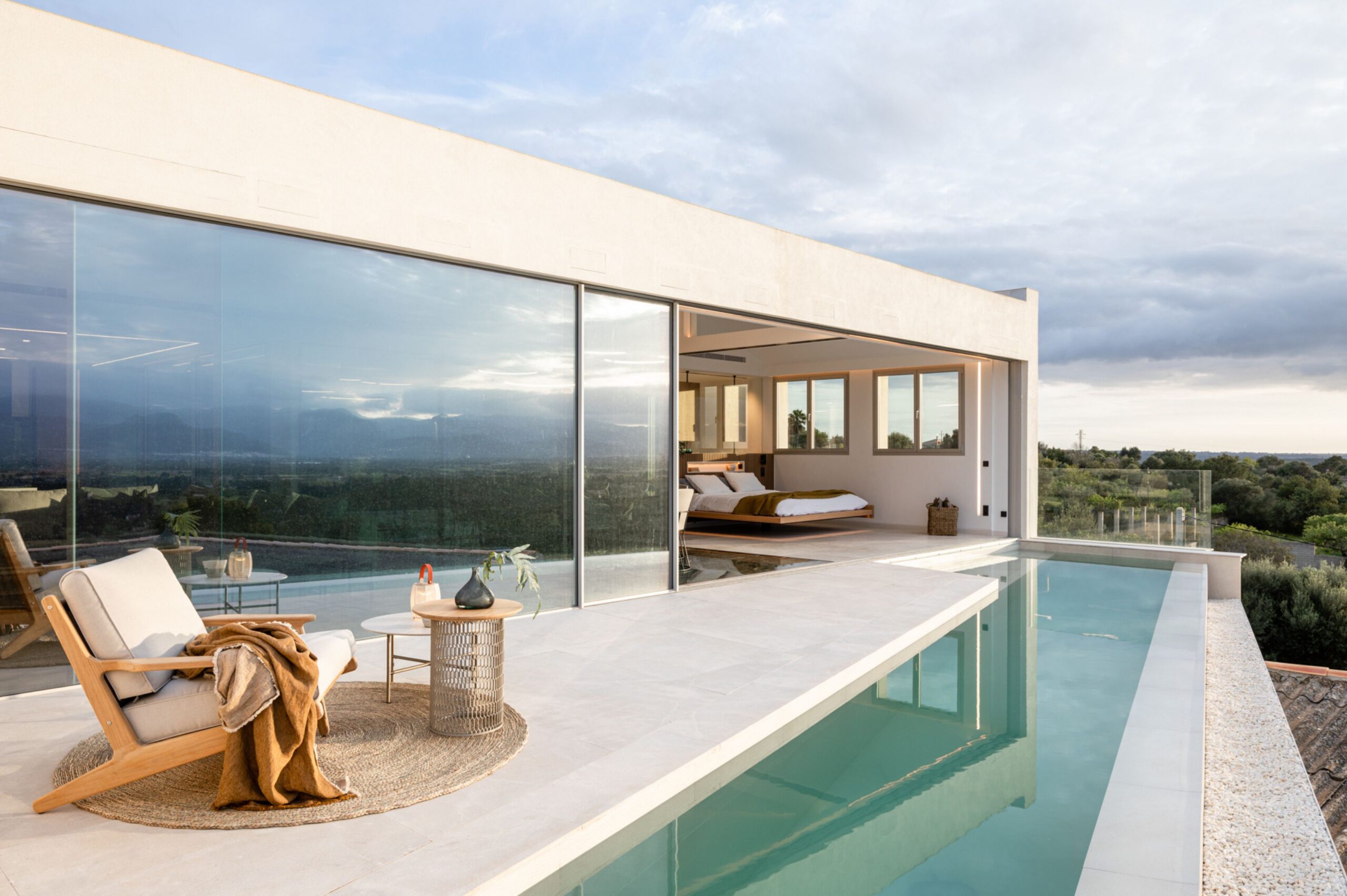
Pla de Mallorca | SR Arquitectes | © Joe Fletcher
Air Tightness: Preventing energy loss
Even the highest-quality glass cannot function effectively if unwanted air infiltration occurs around the frame.
Air tightness is a window system’s ability to prevent uncontrolled air leakage through seals, gaskets, and moving parts. Achieving exceptional airtightness requires precision engineering, careful manufacturing, and tight production tolerances.
Preventing outside air from entering keeps indoor temperatures more stable and heating and cooling systems more efficient. Airtight window systems also reduce drafts, limit moisture infiltration, improve indoor air quality, and enhance sound insulation by blocking airborne noise from small gaps in the building envelope.
Solar Control: Managing heat without losing daylight
Large glazed surfaces maximize natural light and reinforce the connection between the architecture and the landscape. However, they also increase solar exposure.
Without adequate solar control, interiors can overheat in warmer months, increasing cooling loads and reducing occupant comfort. Modern high-performance window systems address this through carefully selected glazing and specialized coatings that control solar radiation while ensuring transparency.
Solar control glass lets abundant natural light in while reflecting or filtering much of the solar heat. This helps maintain comfortable indoor temperatures, reduces reliance on air conditioning, protects interior finishes and furnishings from harmful ultraviolet radiation, and improves the building’s energy performance. Since every project has unique needs, the optimal glass specification depends on climate, building orientation, façade design, and the architect’s vision.
Acoustic Insulation: Creating quiet living spaces
Comfort is not determined solely by temperature.
As cities become denser and residential developments occupy urban spaces, acoustic performance has become a defining feature of luxury homes. High-performance window systems reduce exterior noise by combining laminated acoustic glass, multiple glass chambers, optimized glass thicknesses, precision sealing systems, and airtight frame construction.
Effective sound insulation results from the interaction of all window system components. This creates a quieter indoor environment that promotes concentration, relaxation, and well-being, even in busy urban areas or near roads, airports, or other sources of environmental noise.
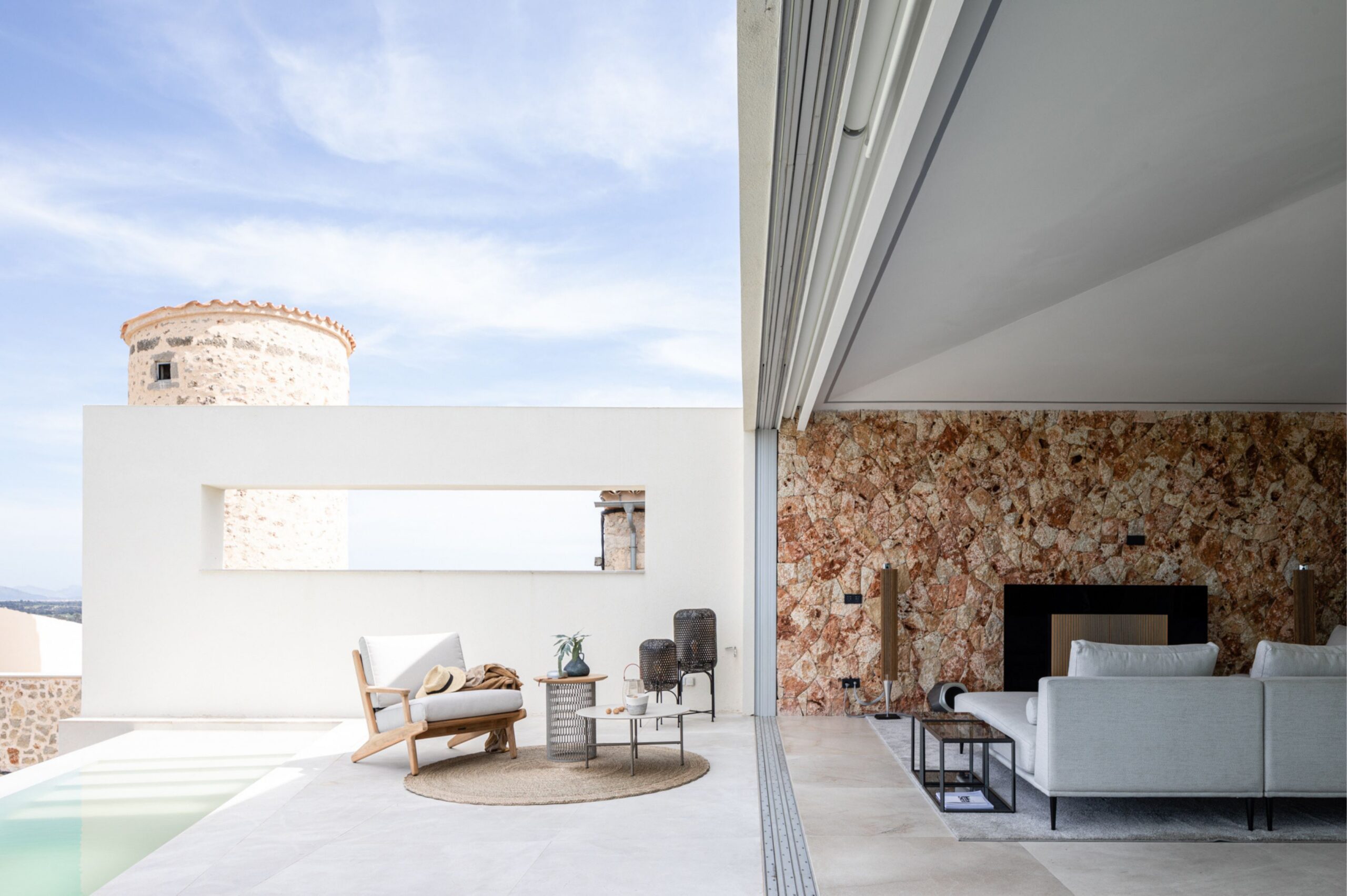
Pla de Mallorca | SR Arquitectes | © Joe Fletcher
Engineering every component as a complete system
The best-performing windows are not defined by a single specification alone.
Thermal breaks, advanced glazing, airtight construction, solar control, and sound insulation each contribute to overall performance, but their true effectiveness depends on how they work together. This systems-based approach lets architects design large-scale glazed facades that ensure energy efficiency, interior comfort, structural performance, and long-term durability.
As building performance standards evolve, high-performance window systems have become essential in contemporary residential architecture, helping projects achieve sustainability goals and provide exceptional living experiences.
Performance beyond visibility
The beauty of minimalist architecture often lies in what you can’t see.
While slim frames and panoramic views catch the eye, the technologies hidden within a high-performance window system ultimately define its value. These systems improve thermal stability, reduce energy consumption, minimize outside noise, and create consistently comfortable indoor environments, providing benefits felt in everyday life.
In premium architecture, true luxury lies in the invisible engineering that allows buildings to perform as beautifully as they look.


