

Rethinking the Window: From Opening to Experience
– Increased natural light
– Better thermal insulation
– Improved acoustic comfort
– Uninterrupted views
– Stronger connection to outdoor spaces
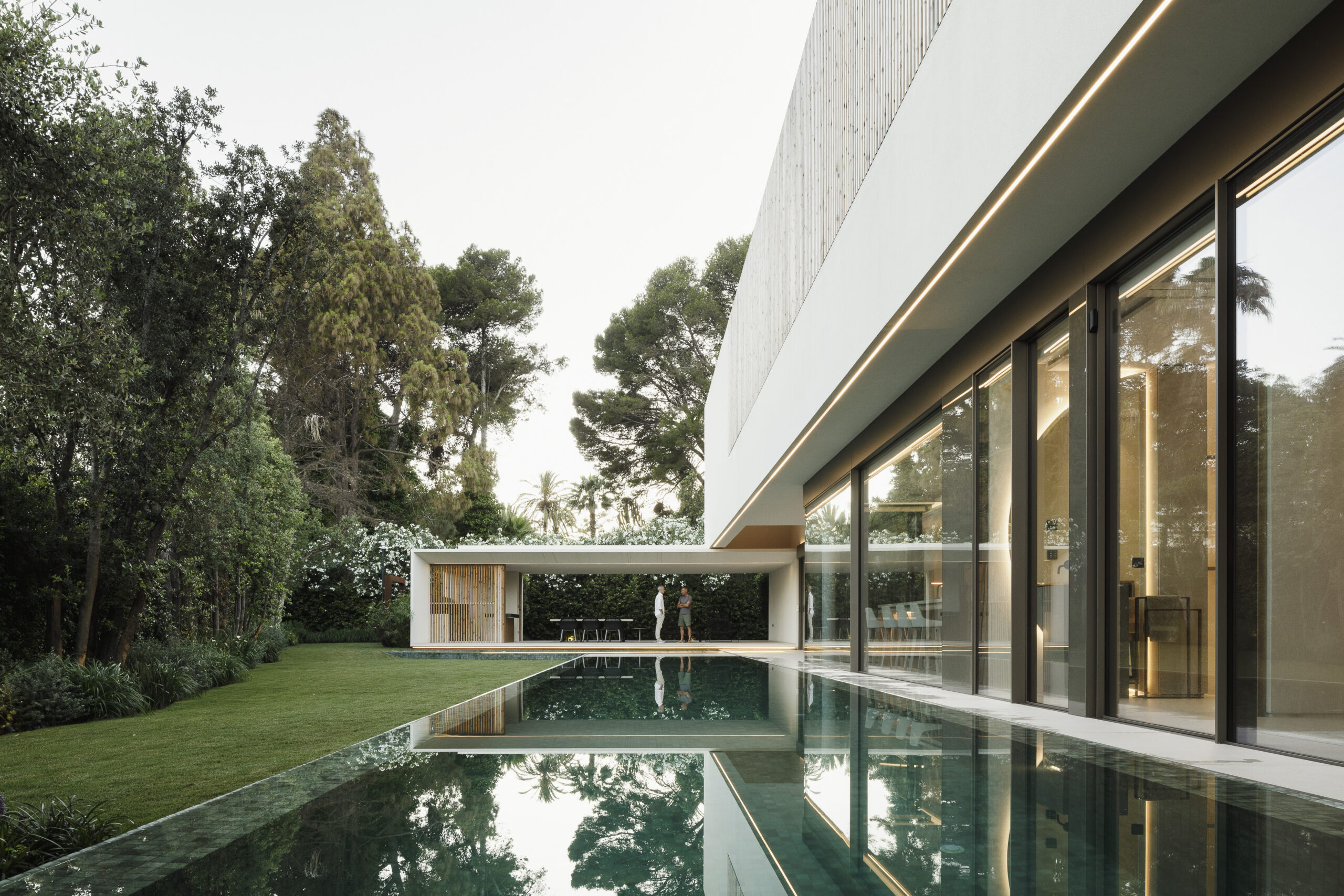
Villa Guadalmina | 969 Arquitectos | © Fernando Alda
Light as a Living Material
Natural light is the most powerful architectural material and the only one that moves.
Modern minimal window systems use ultra-slim frames to maximize glazing area. This allows more daylight to enter while maintaining structural strength and thermal efficiency. The result is a more open, balanced interior environment.
Floor-to-ceiling glazing transforms walls into observatories. Corners without visible structural interruption create continuity that traditional window frames cannot achieve. Slim profiles dissolve boundaries. The experience becomes immersive.
Seamless Indoor-Outdoor Living
Contemporary architecture increasingly prioritizes fluid transitions between interior and exterior spaces.
Minimal sliding systems make it possible to open entire walls, connecting living rooms to terraces, gardens, or ocean views. The transition becomes almost imperceptible.
This sense of openness impacts well-being. Studies consistently show that a visual connection to nature reduces stress, enhances focus, and improves overall satisfaction with a living environment.
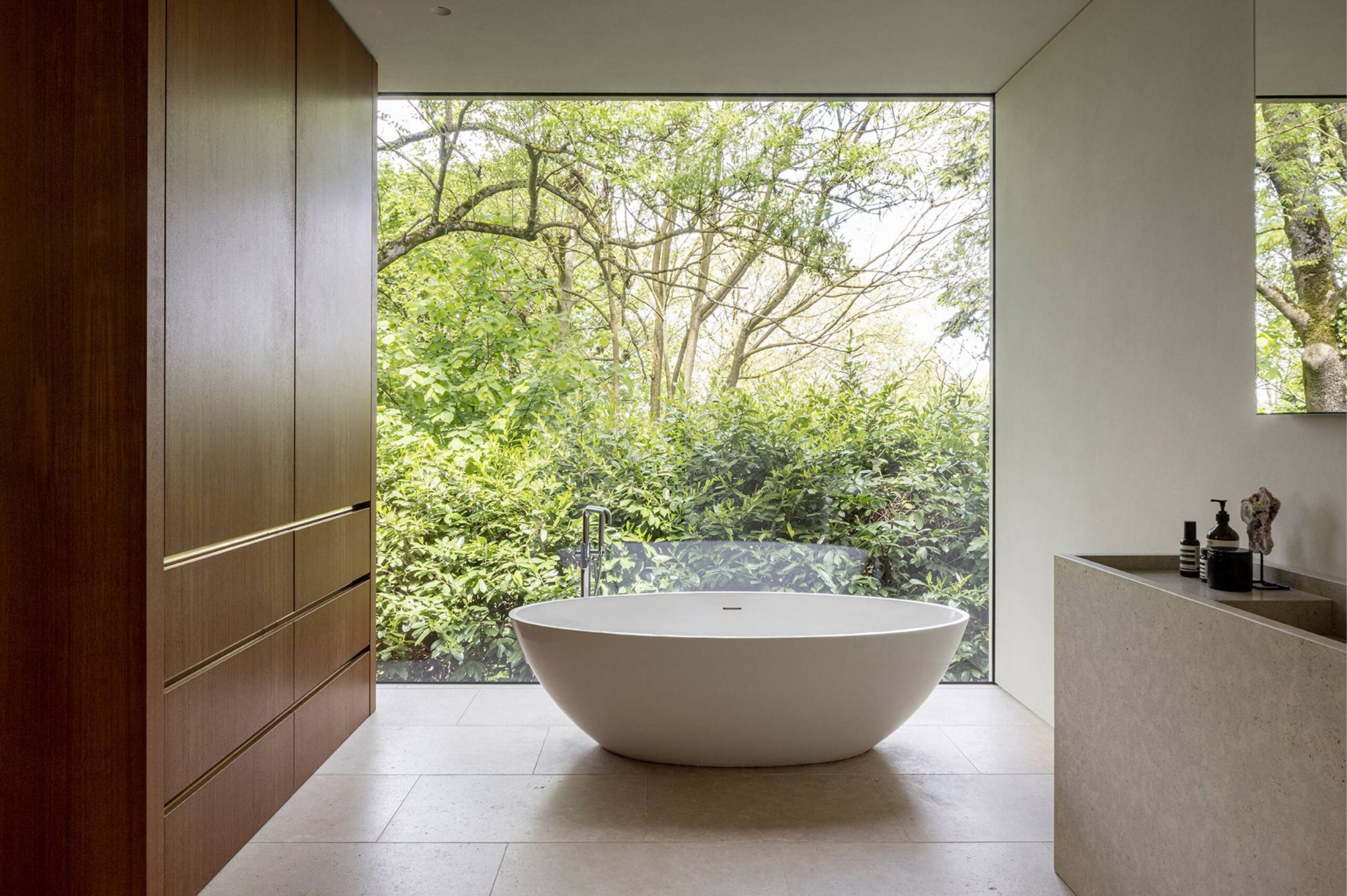
Villa P in Kortrijk | Steven Vandenborre | © Tim Van de Velde
Performance Behind the Design
A new window must perform as well as it looks. High-end window systems are engineered to provide:
– Superior thermal insulation
– High acoustic performance
– Structural resistance for demanding climates
– Long-term durability
In projects located in challenging environments, such as coastal residences, alpine retreats, urban penthouses, performance is foundational. Energy-efficient glazing reduces heat loss and gain, lowering energy consumption and improving indoor comfort year-round.
Luxury today means combining aesthetics with performance.
The Psychological Impact of Transparency
A new window reshapes our perception.
Unobstructed views expand our spatial awareness. Minimal frames reduce visual clutter, and clean sightlines promote lucidity. The architecture feels lighter, and so do the people within it.
People seek an experience that includesgreater openness, tranquility, presence, and a deeper connection.
The right window system exalts daily rituals—from enjoying morning coffee to hosting evening gatherings—by framing life with intention.
Sustainability and Long-Term Thinking
Improving life experience also means building responsibly.
Energy-efficient window systems reduce reliance on heating and cooling systems, lowering a house’s environmental footprint. Durable materials and advanced engineering ensure longevity, minimizing maintenance and replacement costs over time.
A new window is a long-term investment in comfort, sustainability, and design integrity.
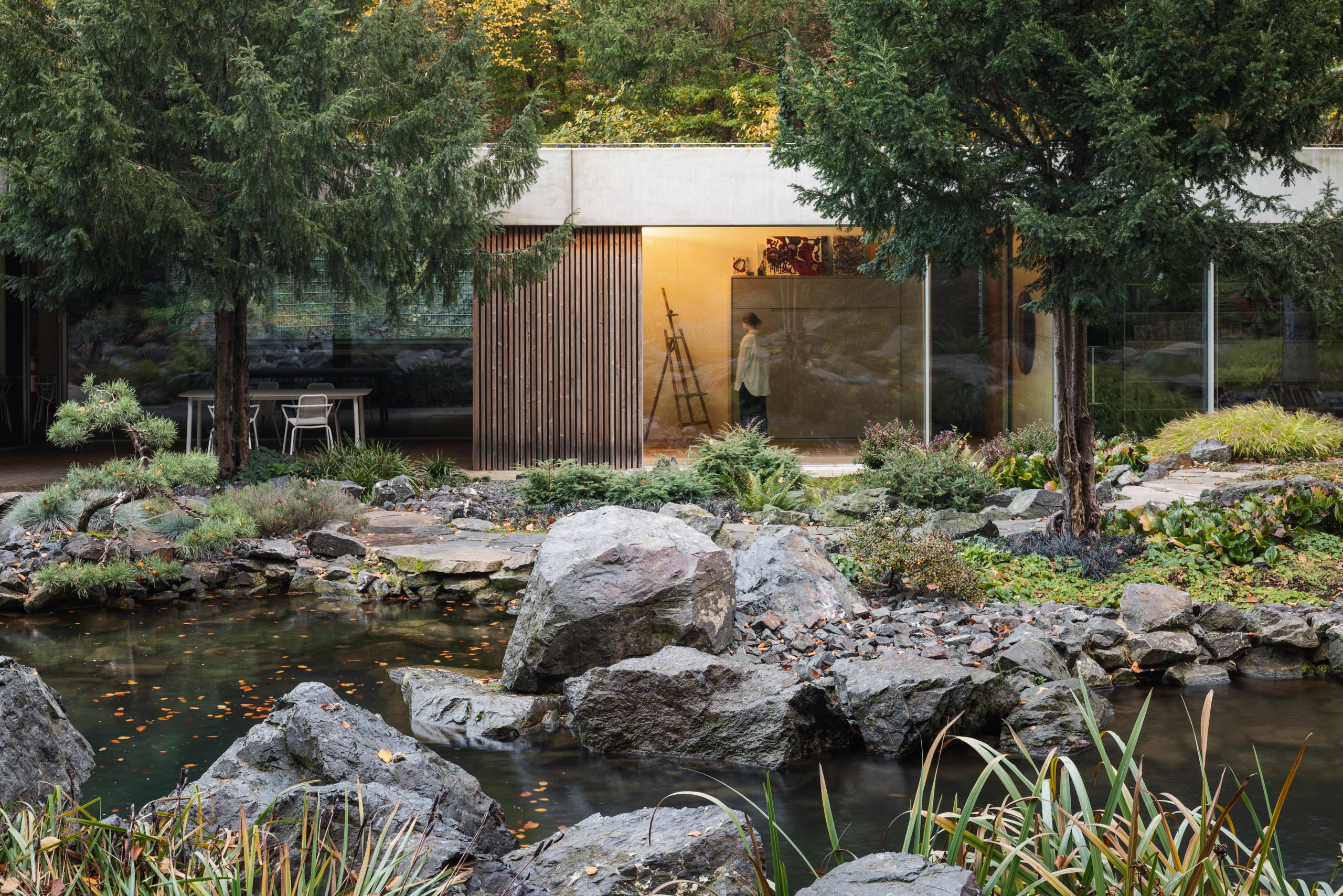
Banánka House | Pauliny Hovorka Architekti | © Matej Hakár
A Better Living Experience
The art of improving life experience through a new window is about making smarter architectural choices.
It is about:
– Bringing in more natural light
– Enhancing comfort and silence
– Expanding views
– Strengthening the connection to nature
– Improving energy performance
The true value of a new window is measured in moments: the way a sunset washes across a living room, the silence preserved in a bustling city, the comfort maintained during winter storms, the seamless movement from interior warmth to outdoor breeze.
Improving life experience through a new window is an art that combines architecture, engineering, and emotion. It is about removing what stands between you and the world.
The right window doesn’t just change a wall- it changes how you experience the space beyond.


