
Cultural buildings are spaces designed to preserve, present, and promote collective knowledge and artistic expression. They include museums, art centers, exhibition pavilions, foundations, and institutions dedicated to research and education. They are public environments where architecture supports learning, dialogue, and experience.
Unlike purely commercial or residential projects, cultural typologies operate under strict technical and environmental requirements. They must protect artworks and archives, control natural and artificial light, ensure thermal and acoustic stability, and manage high visitor flows. At the same time, they carry strong symbolic value. Their architecture often represents institutional, national, or civic identity.
3 cultural buildings you must see
L’Institut des Civilisations
Jacques Moussafir Architectes
Located in Paris, L’Institut des Civilisations is a contemporary intervention within a historically sensitive context. The project has a prominent presence in the city, portrayed by its geometric lines and uniform materials.
Cultural institutions require controlled daylight and stable interior conditions. The large glazed areas must deliver high thermal performance and maintain the integrity of the structure.
For this project, OTIIMA developed minimal window solutions that maximize glass surfaces and reduce visible aluminum profiles. The goal was to preserve the architectural concept and ensure compliance with demanding performance standards.
This plan allowed the creation of a façade that supports the building’s identity without visual excess.

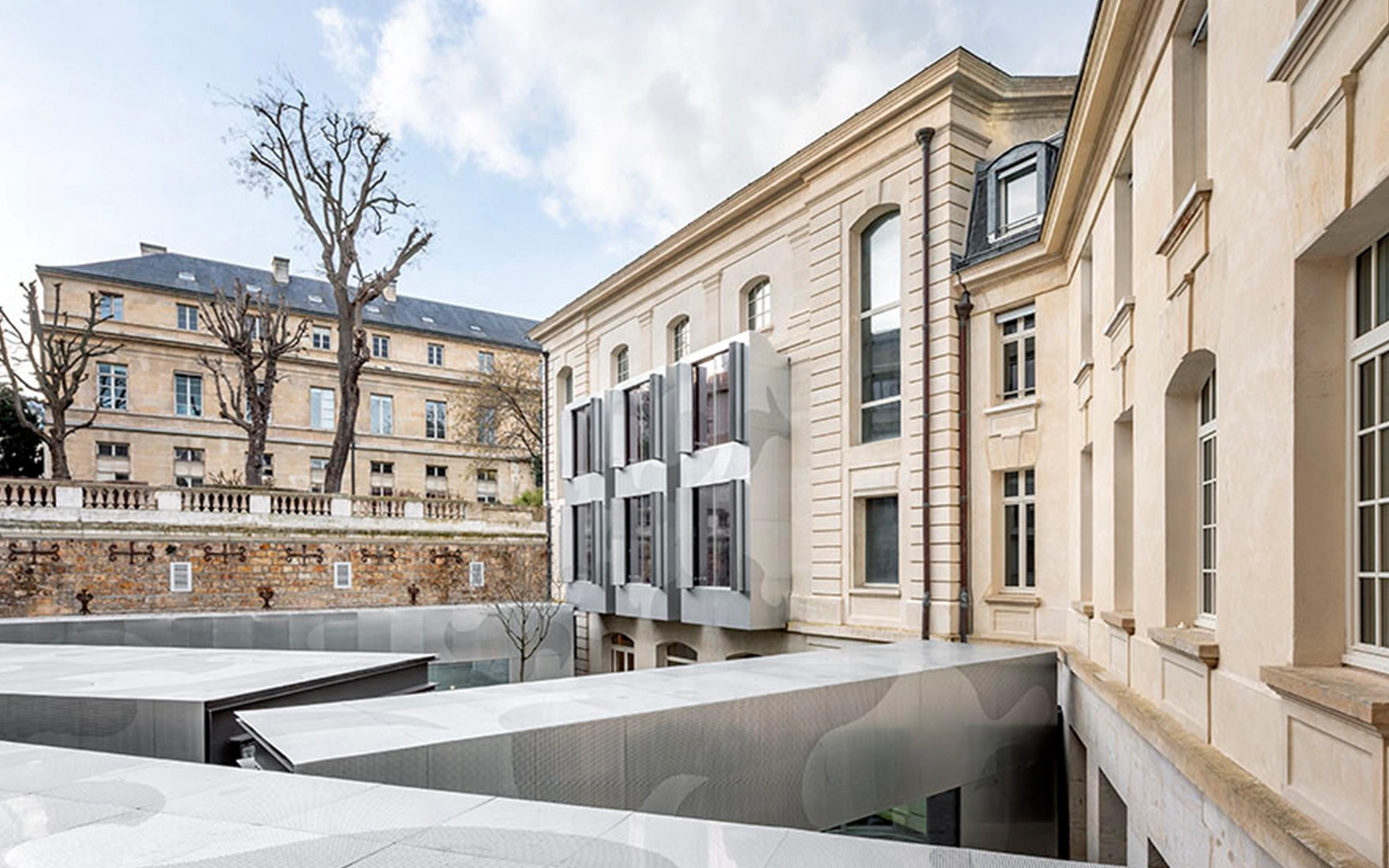
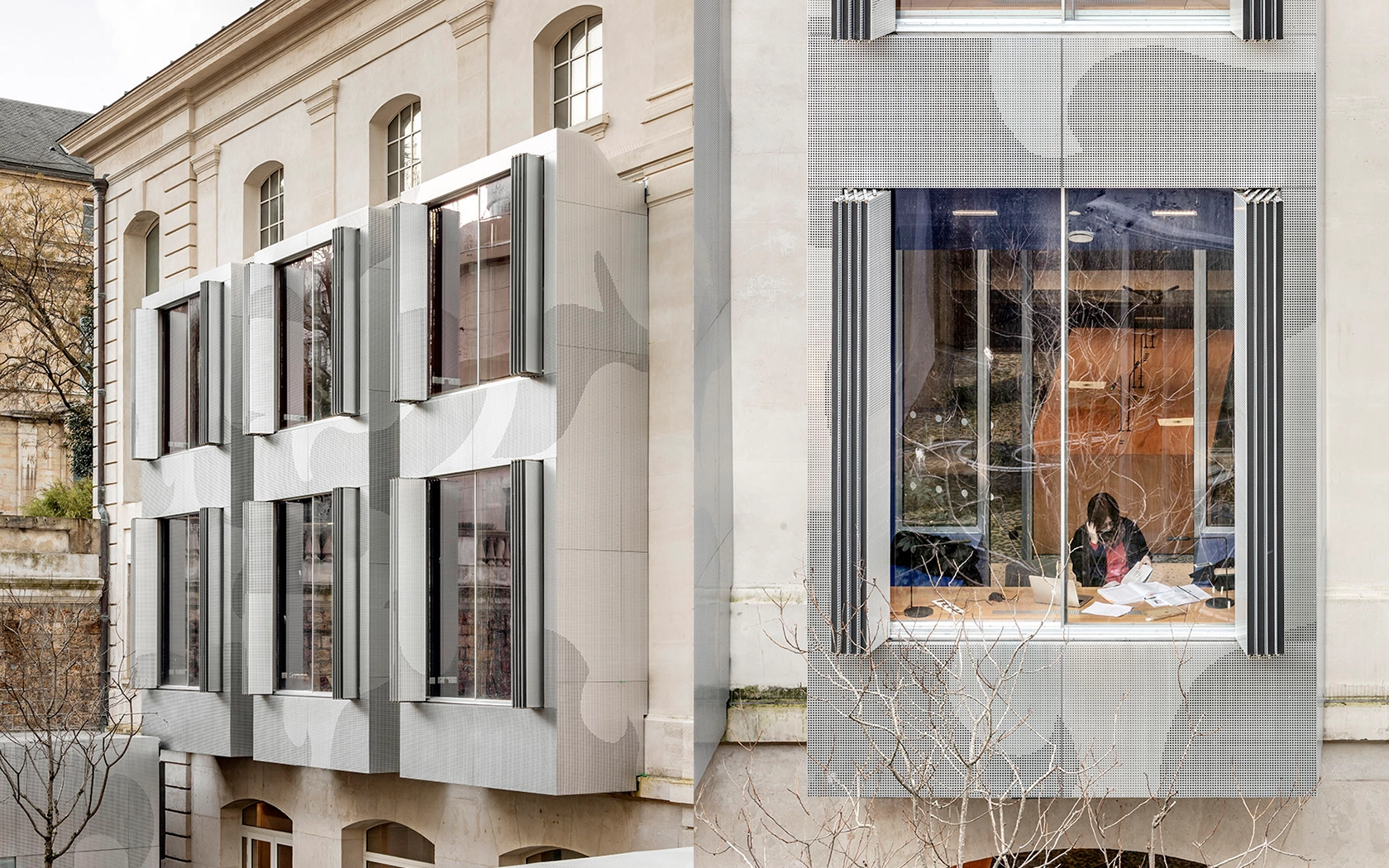
L’Institut des Civilisations | Jacques Moussafir Architectes © Jacques Moussafir Architectes Website
Expo Osaka Portugal Pavilion
Kengo Kuma & Associates
Designed for Expo Osaka, the Portugal Pavilion translates national identity into a contemporary architectural language. The concept emphasizes permeability, lightness, and openness to visitors.
World Expo pavilions present unique technical challenges. Tight construction timelines, strict regulations, and high visitor density demand coordination and reliable engineering solutions.
OTIIMA delivered high-performance minimal systems that meet international standards. The large openings are capable of ensuring stability, weather resistance, and durability in a high-traffic environment.
In temporary structures that have a long-term impact, accuracy is essential.
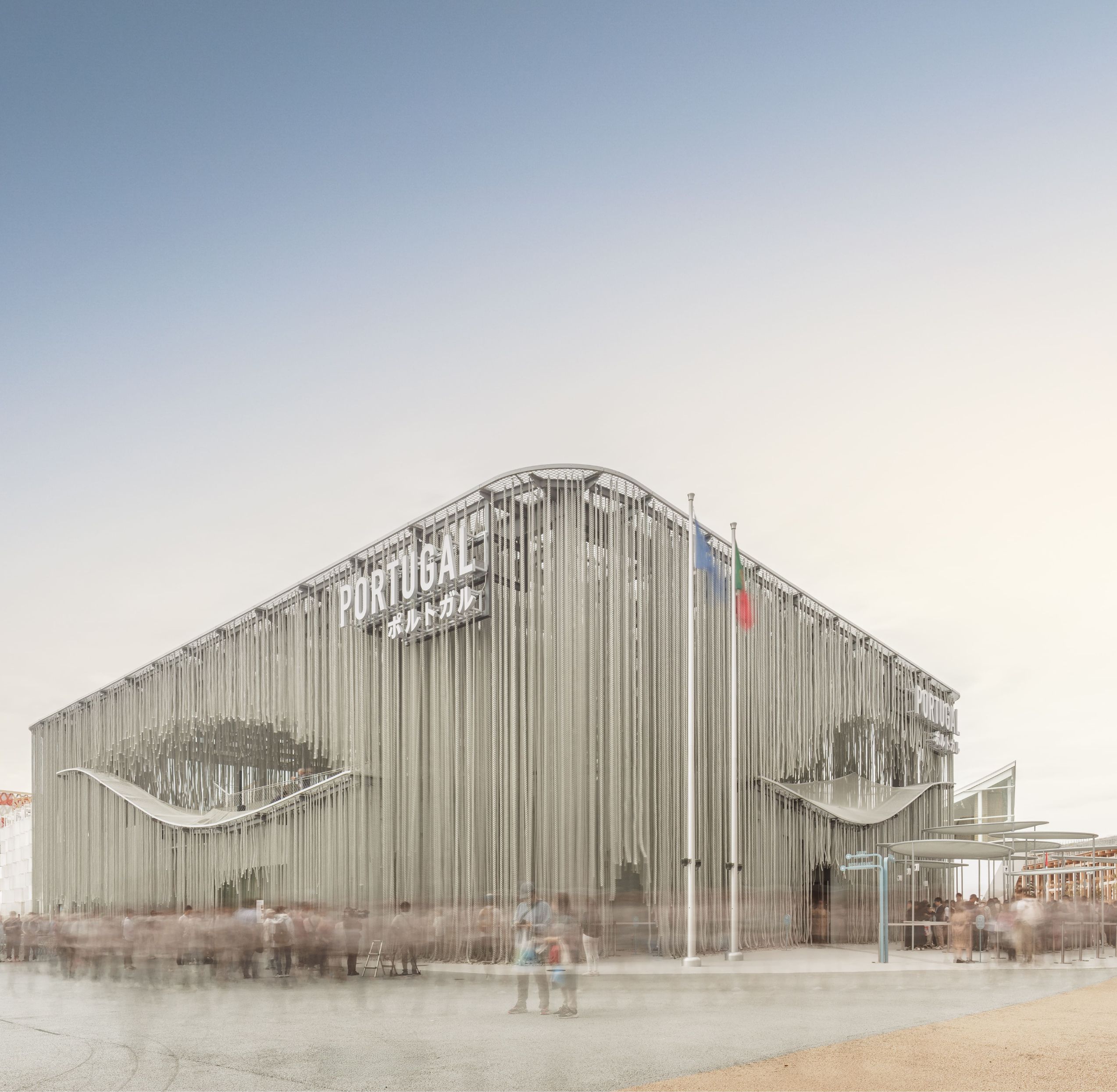
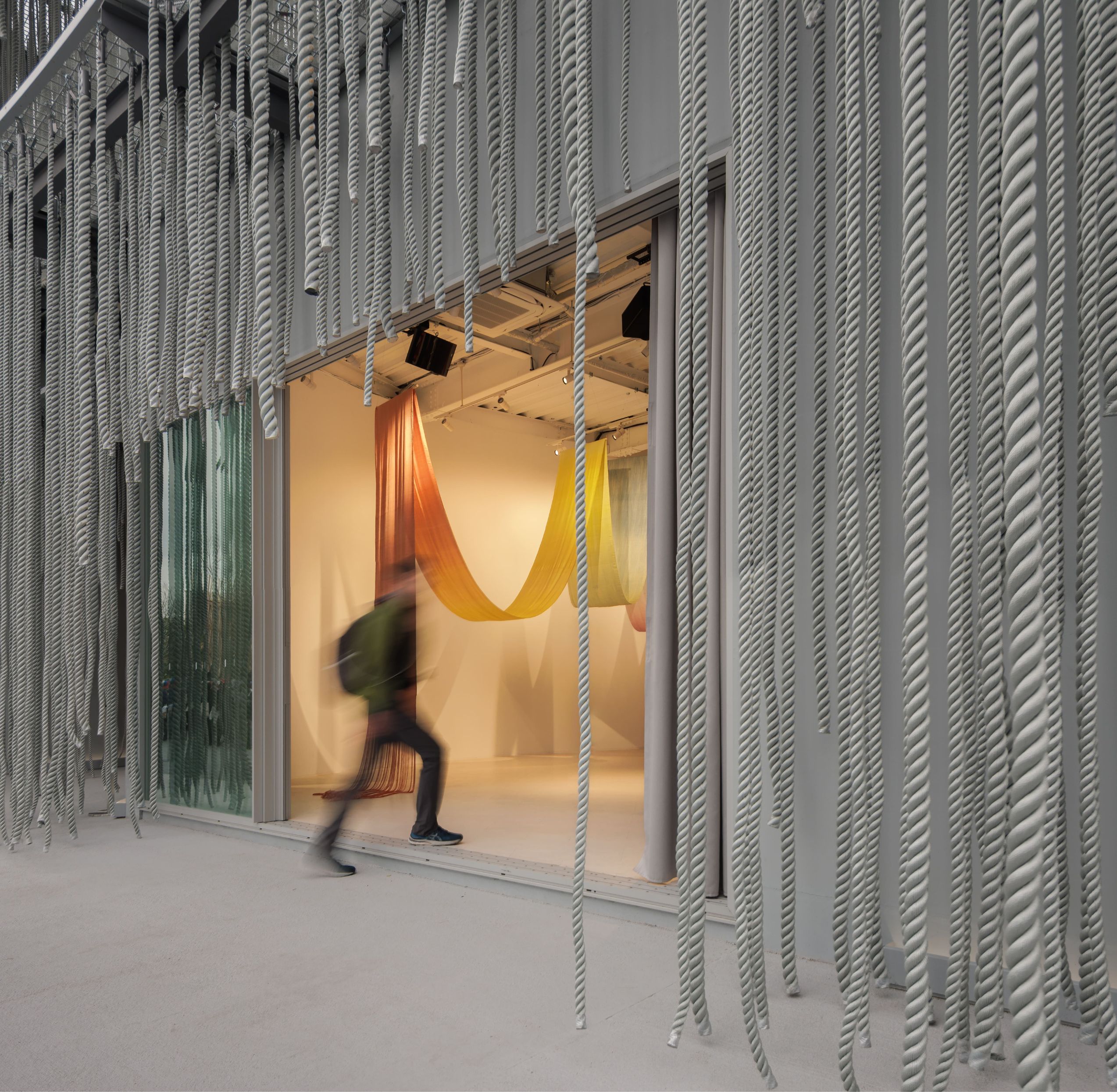
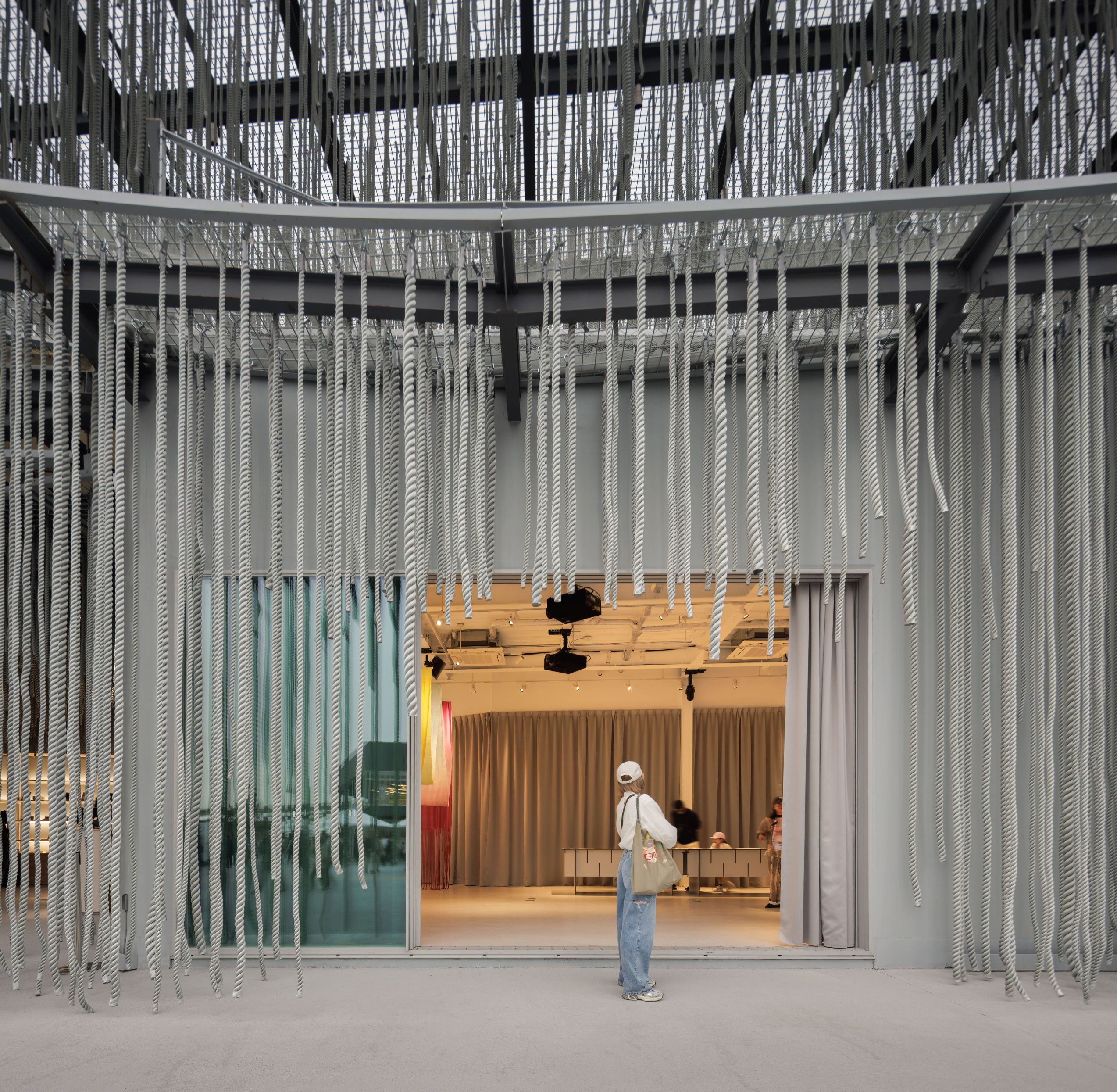
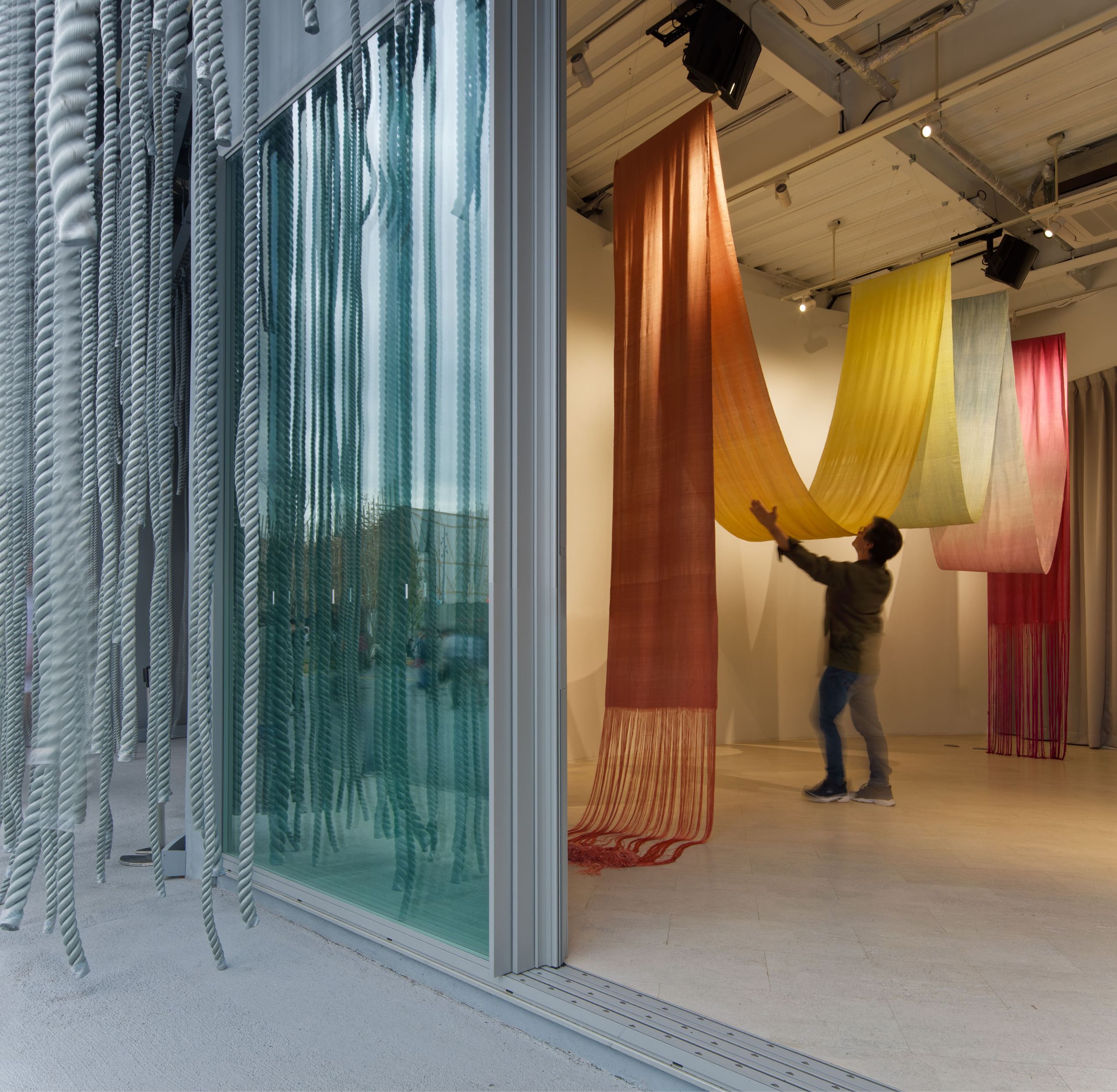
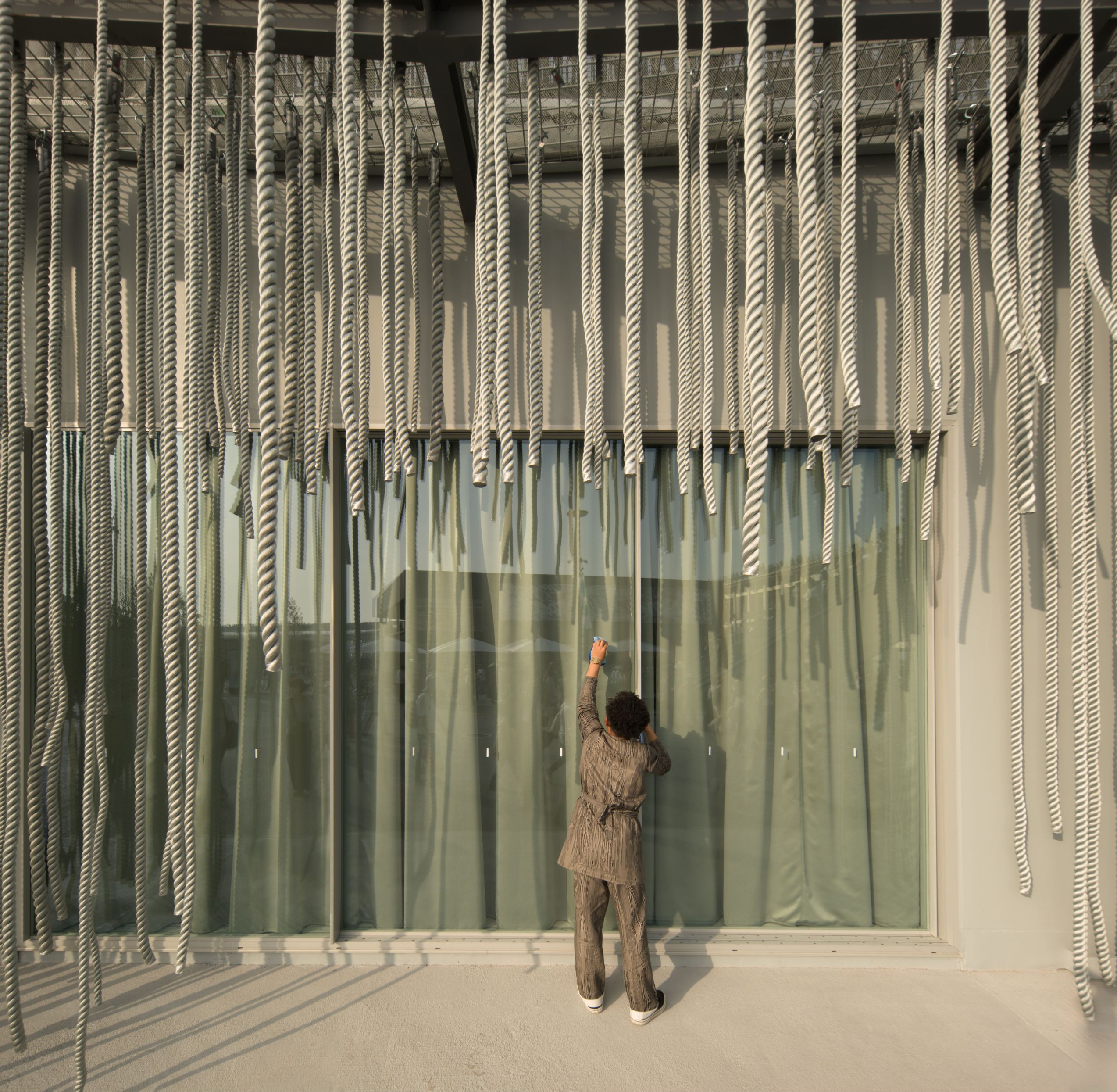
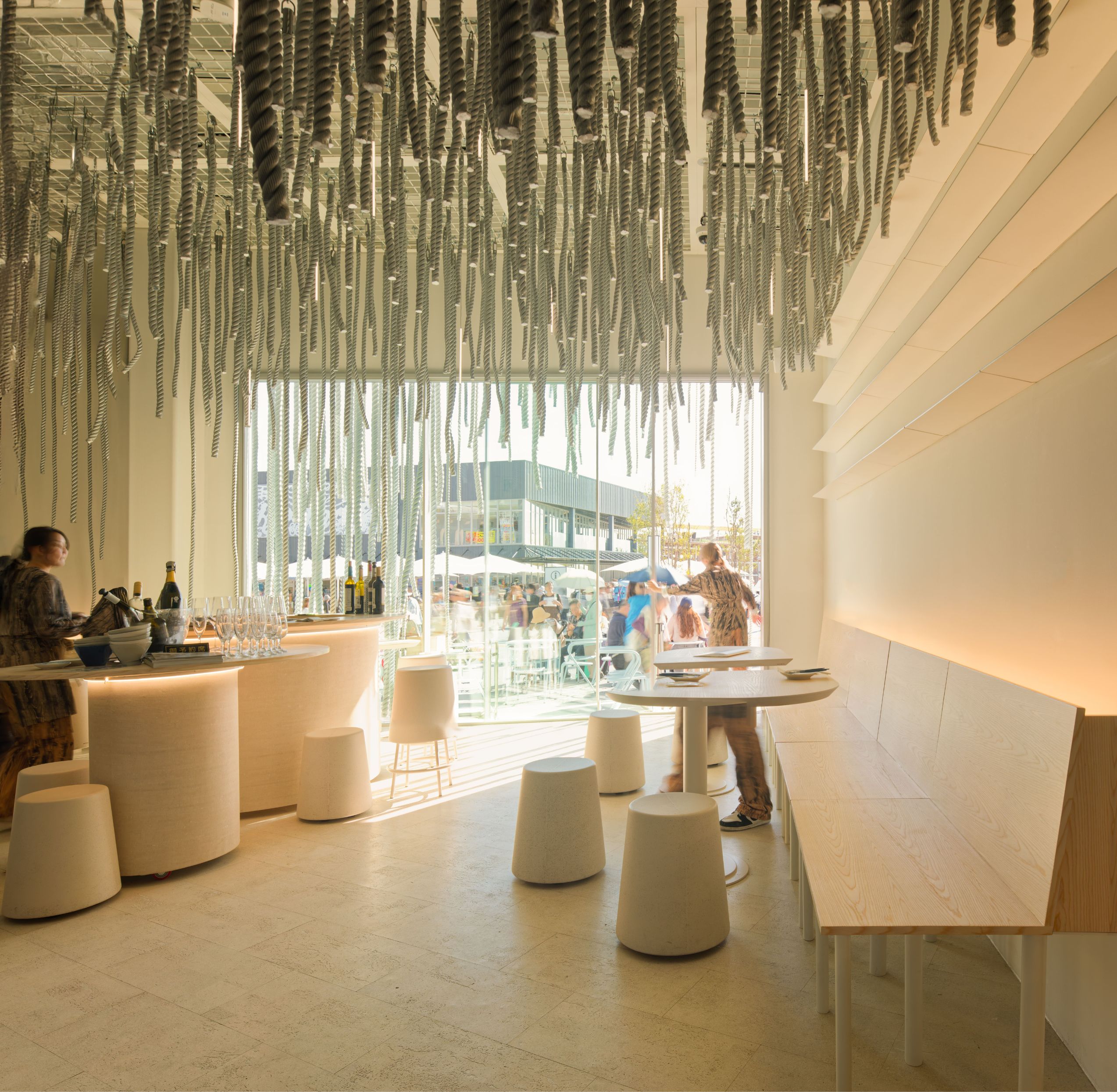
Expo Osaka Portugal Pavilion | Kengo Kuma & Associates © Fernando Guerra
1. Heydar Aliyev Center – Zaha Hadid
1. Heydar Aliyev Center – Zaha Hadid
Centro de Arte Moderna Gulbenkian (CAM)
Kengo Kuma & Associates + OODA + VDLA
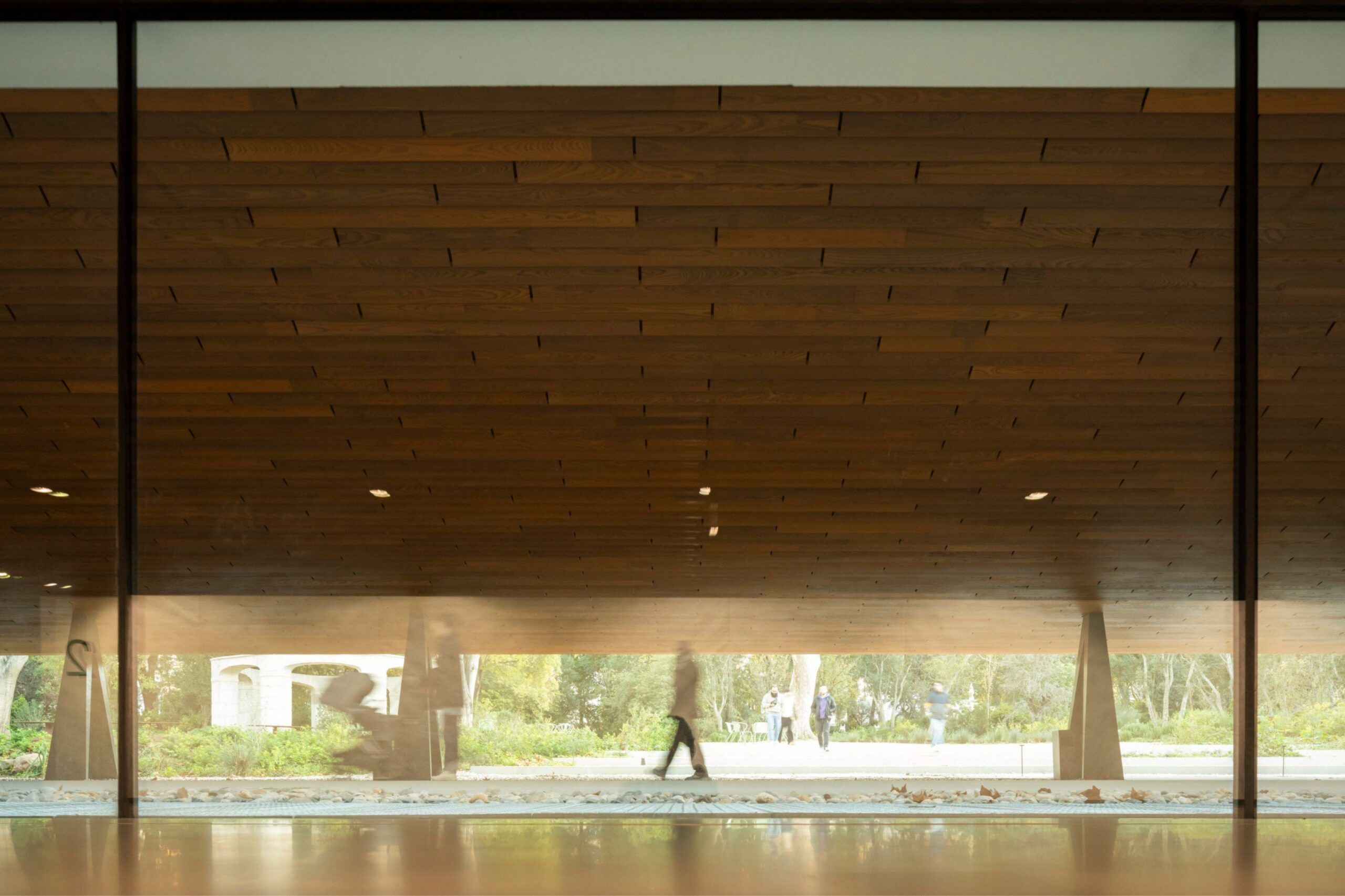
The renovation and expansion of the Gulbenkian Center of Modern Art revise the relationship between the building and its surrounding gardens.
The intervention introduces new connections between interior galleries and exterior landscape areas. This required extensive glazed surfaces capable of delivering thermal comfort, acoustic insulation, and security, which are essential features in museum environments.
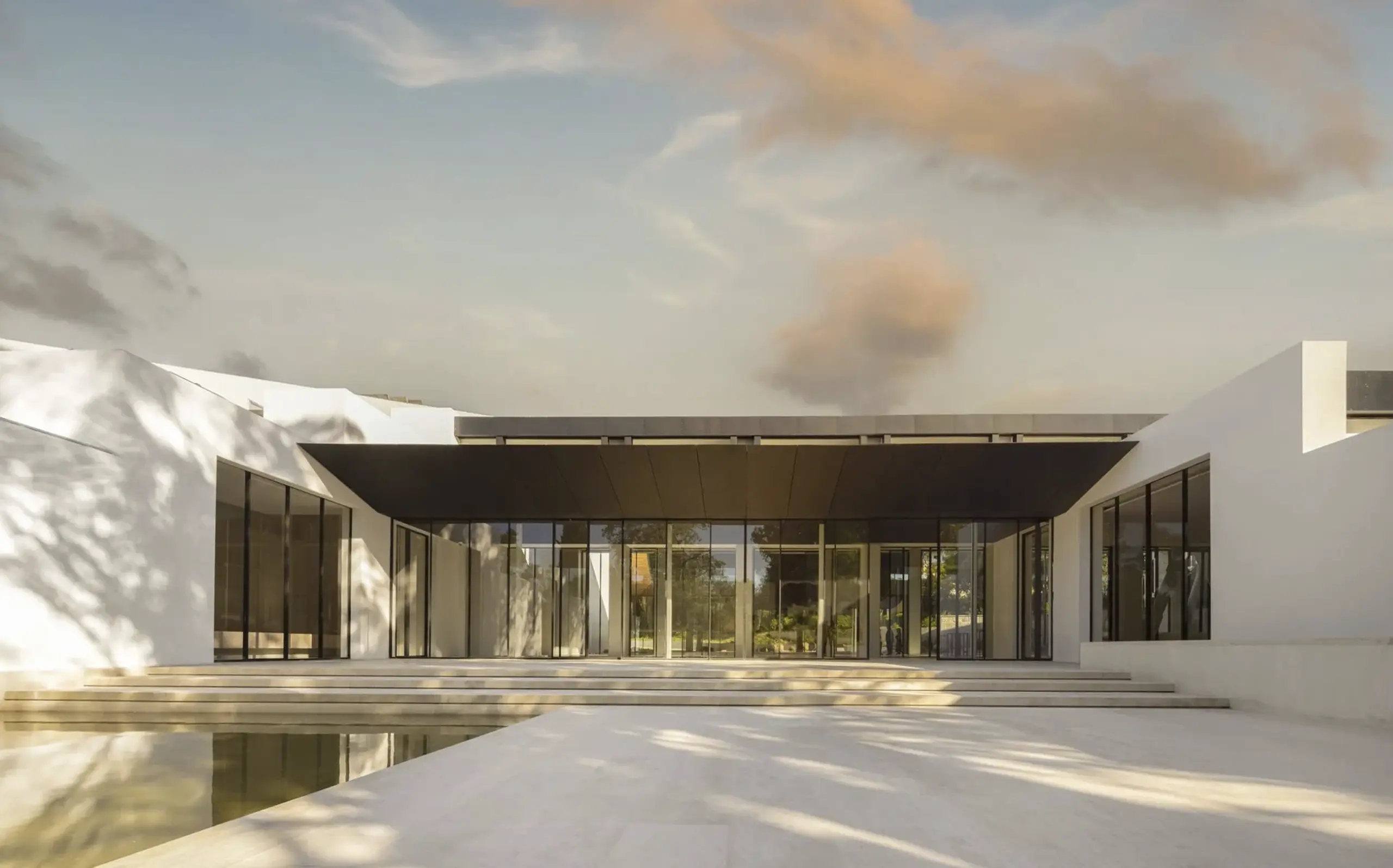
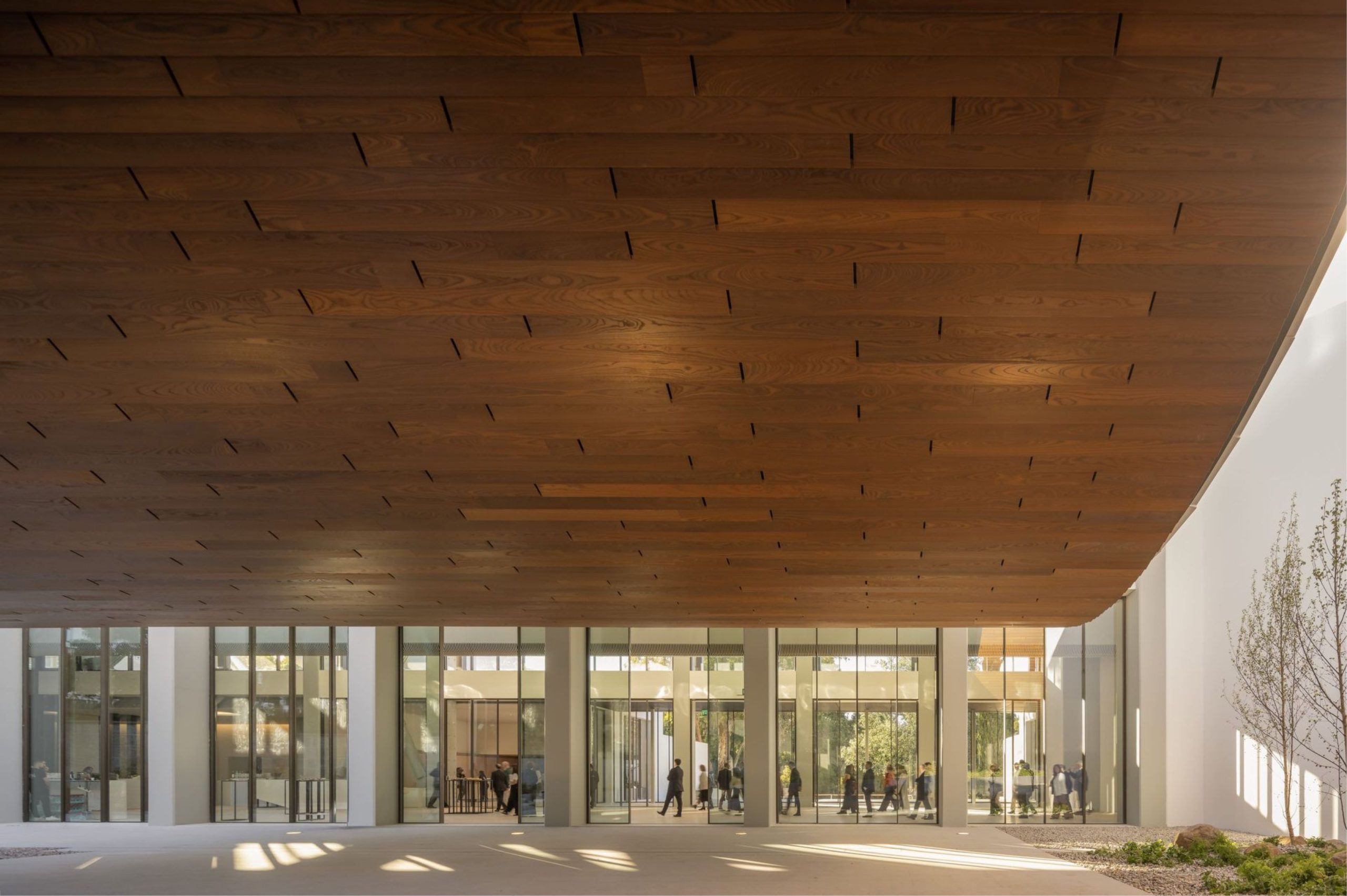
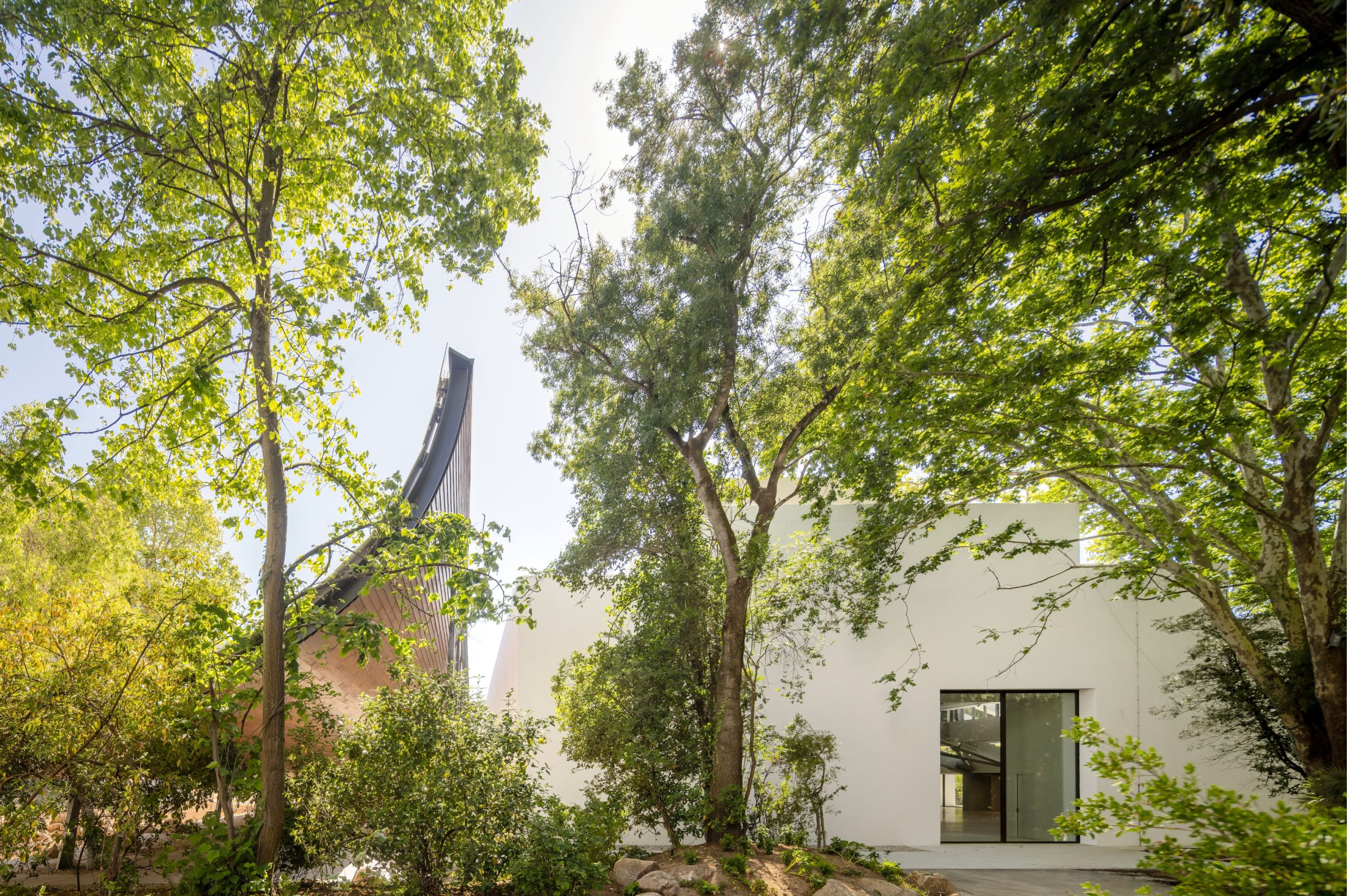
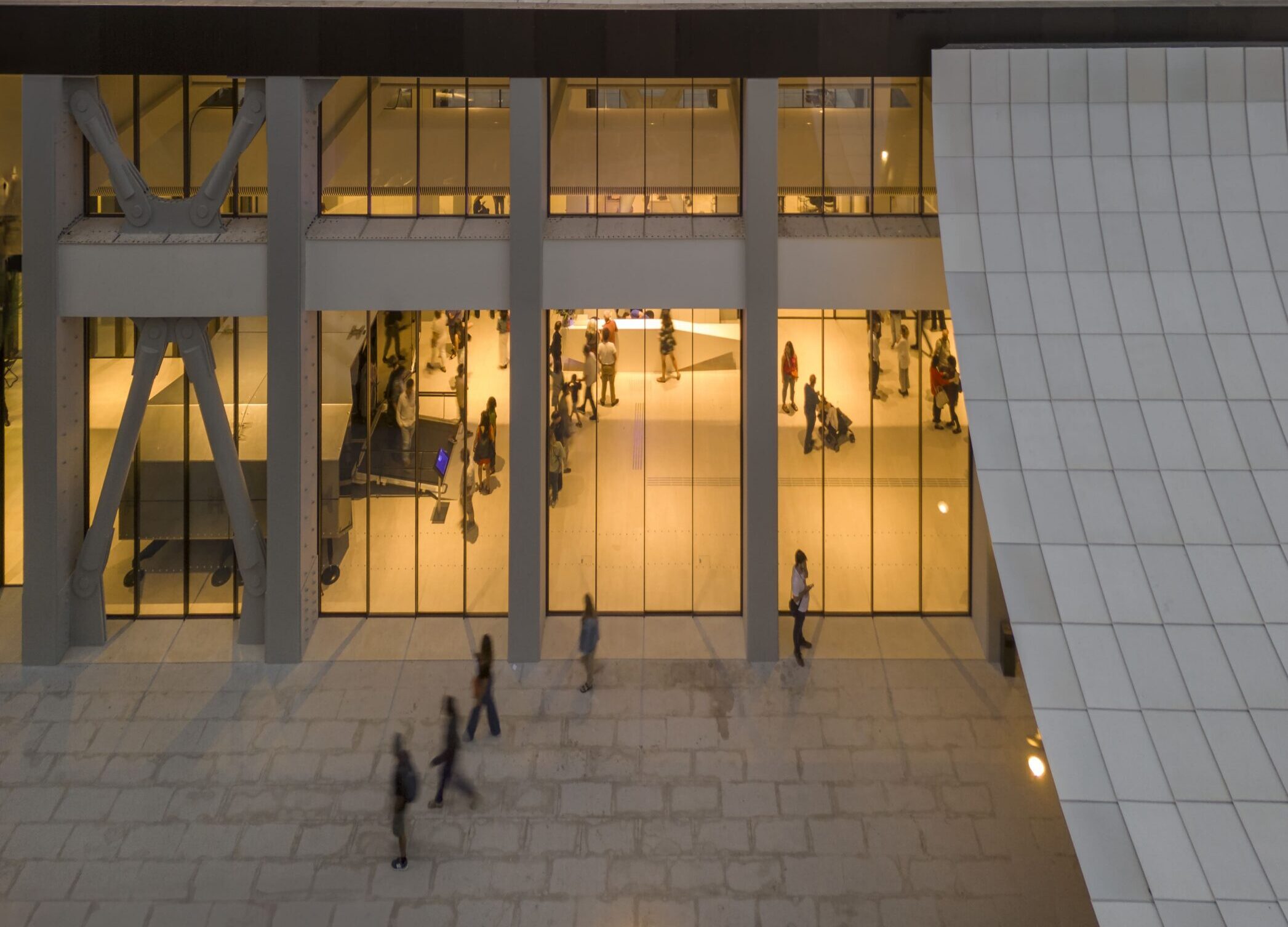
Centro de Arte Moderna Gulbenkian (CAM) | Kengo Kuma & Associates + OODA + VDLA © Fernando Guerra
The role of technology in cultural buildings
Cultural buildings demand technical solutions that work seamlessly without drawing attention. Every element of the façade and glazed opening must serve multiple purposes: bring in natural light, control temperature and acoustics, and ensure security and durability, without compromising the visitor experience or the architect’s vision.
This is where minimalist systems, like those developed by OTIIMA, make a real difference. Their engineering and aesthetics allow large façades to remain elegant and functional.
Projects such as L’Institut des Civilisations, the Portugal Pavilion at Expo Osaka, and the Gulbenkian Center of Modern Art demonstrate how technology and design can work together to create cultural spaces. These spaces perform technically, express identity, and keep the visitor experience at the center.


