
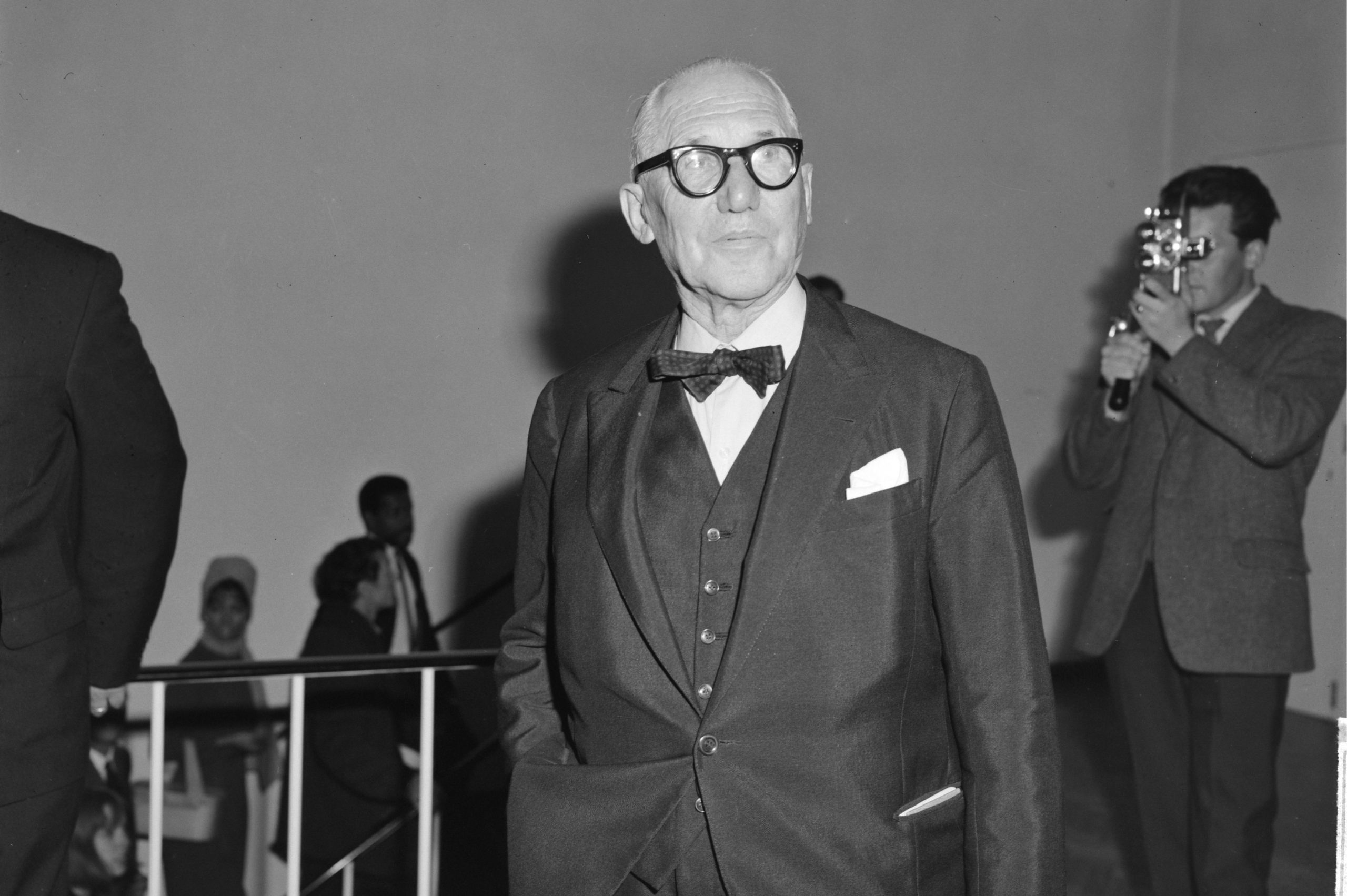
A Simple Guide to Le Corbusier: The Father of Modern Architecture

Le Corbusier is one of the most influential architects of the 20th century. His work transformed the way we design buildings, homes, and cities. If you are curious about modern architecture or want to understand the principles of minimalist design, this guide introduces you to Le Corbusier’s life, ideas, and legacy.


Who was Le Corbusier?

Le Corbusier, born Charles-Édouard Jeanneret in 1887 in Switzerland, became a pioneer of modern architecture. He believed that architecture should serve people and improve their lives. Over his long career, he designed houses, apartments, public buildings, and entire cities.
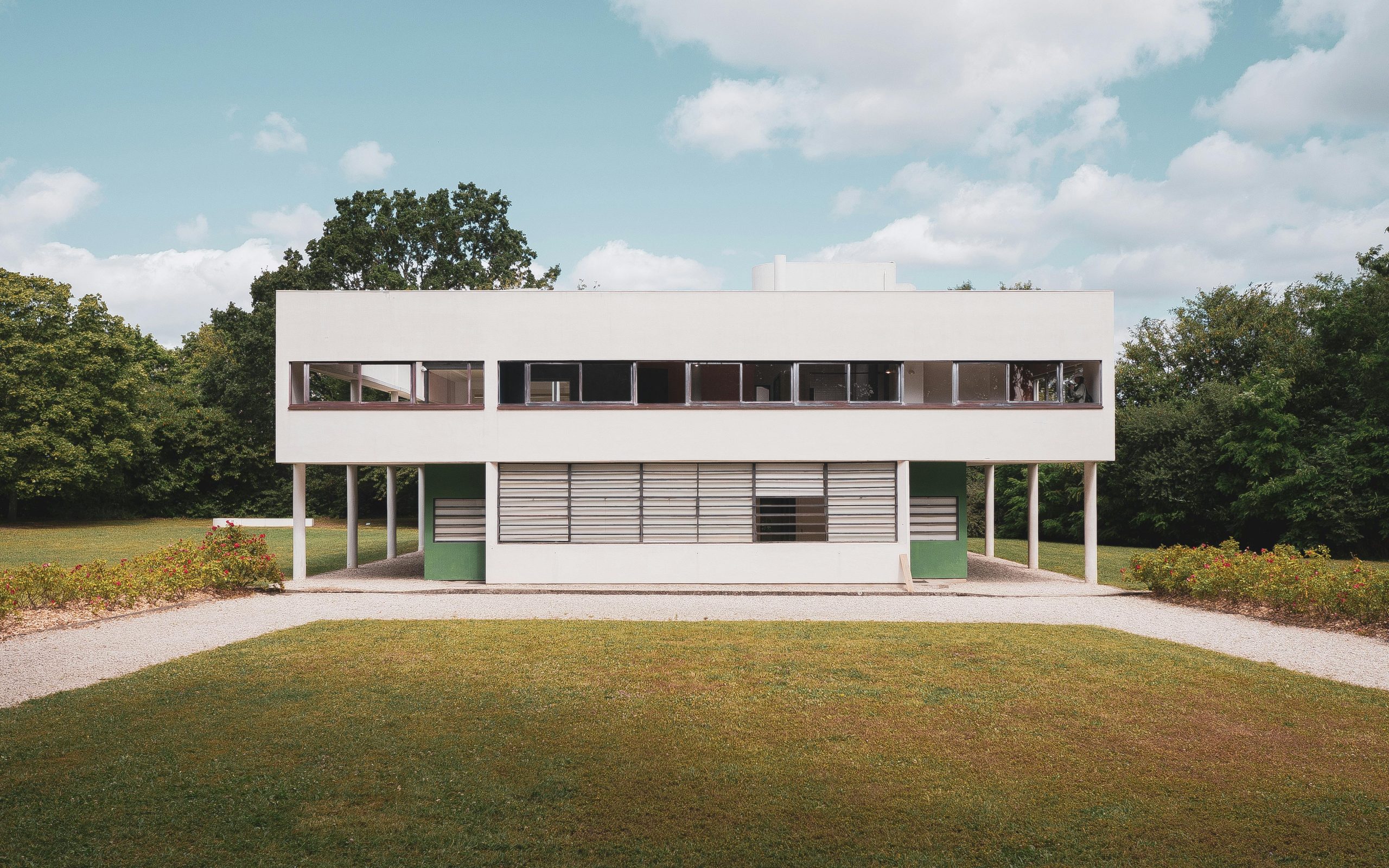
© Antoine Gravier: https://www.pexels.com/pt-br/foto/panorama-vista-paisagem-natureza-27085004/

Key Principles of Le Corbusier’s Architecture

Le Corbusier developed several ideas that changed architecture forever. Here are the most important ones:
 

The Five Points of Architecture

    • Pilotis (Columns): Buildings lifted off the ground for open space underneath. 
    • Flat Roof Terrace: Roofs that can be used as gardens or terraces. 
    • Open Floor Plan: Flexible spaces without too many walls. 
    • Horizontal Windows: Long strips of windows for maximum light. 
    • Free Facade: The exterior design can be independent from the building structure.   

Form Follows Function

Le Corbusier believed that the purpose of a building should guide its design. Every element should have a reason, and decoration should not distract from function.

Modulor System

He created a measurement system called Modulor, based on human proportions, to design spaces that feel natural and comfortable.
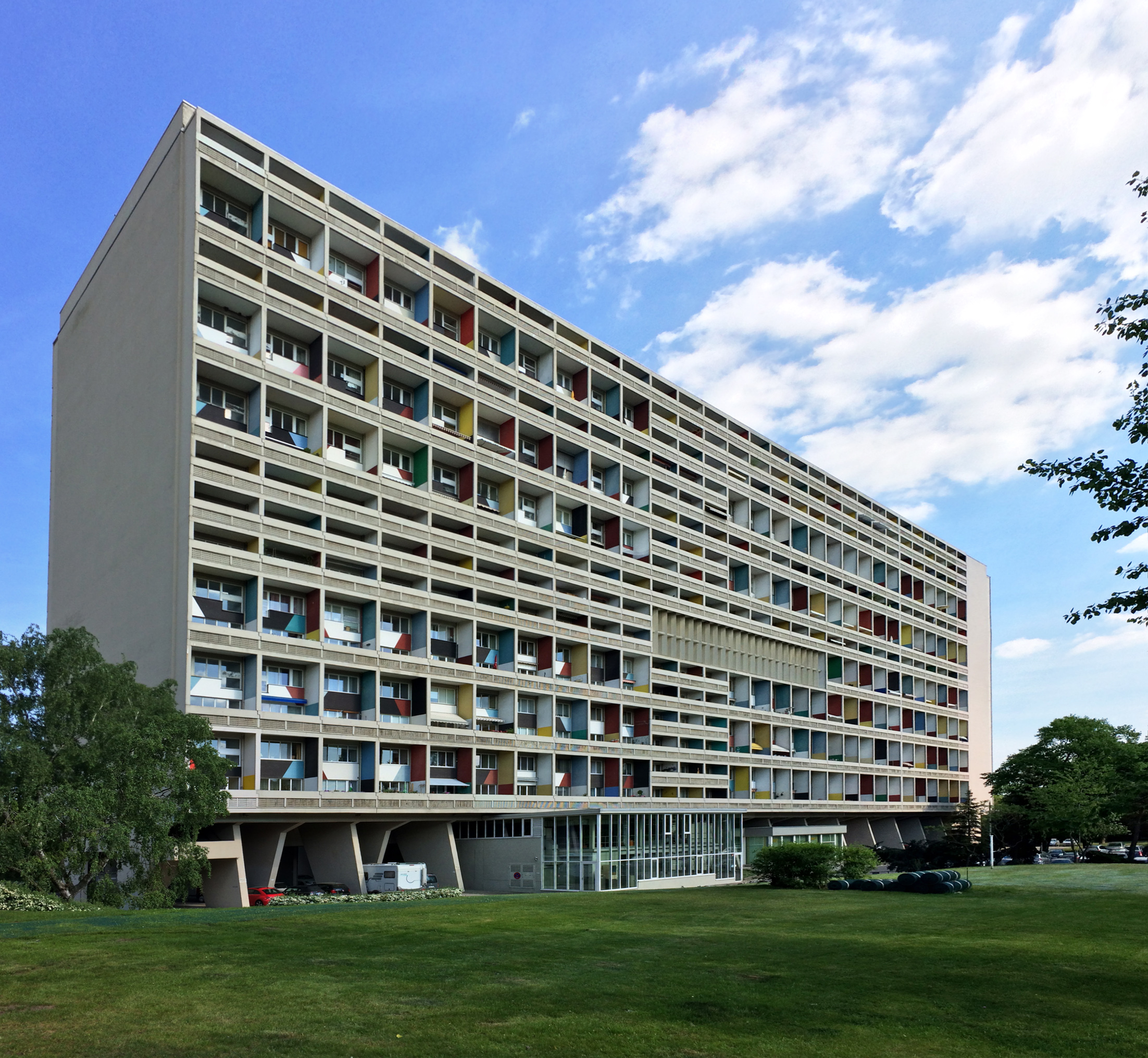
© Gunnar Klack, CC BY-SA 4.0 (https://creativecommons.org/licenses/by-sa/4.0/), via Wikimedia Commons

1. Heydar Aliyev Center – Zaha Hadid

1. Heydar Aliyev Center – Zaha Hadid

Famous Works

Some of Le Corbusier’s iconic projects include:
 
  • Villa Savoye (France): A perfect example of his Five Points, with pilotis, a flat roof terrace, and open interiors. 
  • Unité d’Habitation (France): A revolutionary residential building designed for community living. 
  • Chapel of Notre Dame du Haut (Ronchamp, France): A bold, sculptural chapel showing his creative side
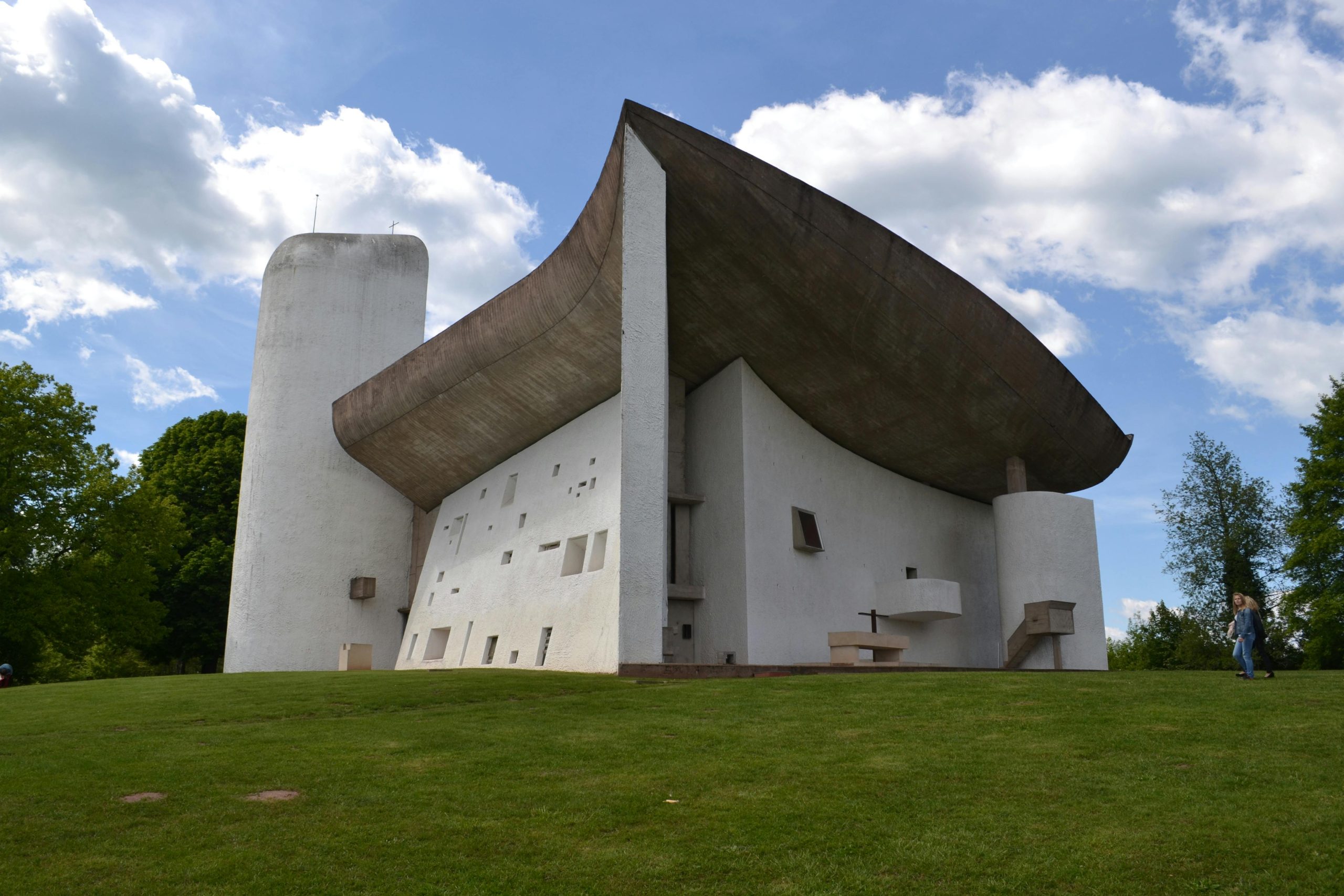
© Su vbp: https://www.pexels.com/pt-br/foto/panorama-vista-paisagem-ceu-13651201/

Le Corbusier’s ideas are everywhere in modern architecture. Minimalist houses, functional city planning, and open, light-filled spaces all draw inspiration from him. For architects, designers, and enthusiasts, understanding his work is essential to creating beautiful and practical spaces.

Compare products

Compare products easily by analyzing features and specifications side by side to find the best option for your needs.

thermal-transmittance

Thermal Transmittance

watertightness

Watertightness

air-permeability

Air permeability

wind-resistance

Wind resistance

resistance

Impact resistance

insulation

Sound insulation

security

Security

thermal-transmittance

Thermal Transmittance

Uw Ug = 1,0 (38mm)
Uw Ug = 0.5 (54mm)

watertightness

Watertightness

ISO EN 12208 + ISO EN 1027

E1200 (54mm)

(4 classes above 9A) 1

air-permeability

Air permeability

ISO EN 12207 + ISO EN 1026

Class 4

(600 Pa or 119 Km/h) 1 2

wind-resistance

Wind resistance

ISO EN 12210 + ISO EN 12211

Class C5

(in 6 possible classes) 2

resistance

Impact resistance

ISO EN 12600 + ISO EN 1630

Class 5

(2000 Pa or 200 Km/h)

insulation

Sound insulation

ISO EN 10140 + ISO EN 717

Rw: 42 db (up to)
security

Security

ISO EN 1628 + ISO EN 1629 + ISO EN 1630

RC2: (WK2)

3

thermal-transmittance

Thermal Transmittance

Uw Ug = 1,0 (38mm)
Uw Ug = 0.5 (54mm)
Uw Ug = 0.47 (62mm)

watertightness

Watertightness

ISO EN 12208 + ISO EN 1027

E1200

(7 classes above 9A) 1

air-permeability

Air permeability

ISO EN 12207 + ISO en 1026

Class 4

(600 Pa or 110 Km/h) 1

wind-resistance

Wind resistance

ISO EN 12210 + ISO EN 12211

Class B5

(2000 Pa or 200 Km/h) 1

resistance

Impact resistance

ISO EN 12600 + ISO EN 1630

Class 5 (38mm / 54mm)

1C1 | 2B2 | 1B1 2 (62mm)

insulation

Sound insulation

ISO EN 10140 + ISO EN 717

Rw: 42 db (up to) (38mm / 54mm)

Rw: 44 db (up to) (62mm)

security

Security

ISO EN 1628 + ISO EN 1629 + ISO EN 1630

RC2: (WK2)

3

thermal-transmittance

Thermal Transmittance

Uw Ug = 1.0 (38mm)
Uw Ug = 0.5 (54mm)

watertightness

Watertightness

ISO EN 12208 + ISO EN 1027

E1650

(7 Clases superior a 9A) 1

air-permeability

Air permeability

ISO EN 12207 + ISO EN 1026

Class 4

(600 Pa or 110 Km/h) 1

wind-resistance

Wind resistance

ISO EN 12210 + ISO EN 12211

Class C5

(2000 Pa or 200 Km/h) 1

resistance

Impact resistance

ISO EN 12600 + ISO EN 1630

Class 5
insulation

Sound insulation

ISO EN 10140 + ISO EN 717

Rw: 42 db (up to)
security

Security

ISO EN 1628 + ISO EN 1629 + ISO EN 1630

RC2: (WK2)

2

thermal-transmittance

Thermal Transmittance

Uw Ug = 0.7 (38mm)
Uw Ug = 0.7 (54mm)

watertightness

Watertightness

ISO EN 12208 + ISO EN 1027

Class 8A

(450 Pa or 95 km/h)

air-permeability

Air permeability

ISO EN 12207 + ISO en 1026

Class 3

(600 Pa or 110 Km/h)

wind-resistance

Wind resistance

ISO EN 12210 + ISO EN 12211

Class C5

(2000 Pa or 200 Km/h)

resistance

Impact resistance

ISO EN 12600 + ISO EN 1630

Class 5

(in 6 possible classes)

insulation

Sound insulation

ISO EN 10140 + ISO EN 717

Rw: 38 db (up to)
security

Security

RC2: (WK2) 2

RC2: (WK2)

Newsletter

OTIIMA - Much more than a window

Subscribe