Minimalist Architecture

Through the Lens: Capturing the Beauty of Minimalist Architecture

In an era of constant stimulation, minimalist design prioritizes peace and clarity, allowing the mind to breathe.

Characterized by clean lines, open spaces, and a focus on critical elements, it creates a sense of calm and serenity, making it a captivating subject for photography. However, capturing the essence of minimalist architecture requires more than just snapping a quick picture. It demands a keen eye, a thoughtful approach, and a deep understanding of the principles that define this unique style.

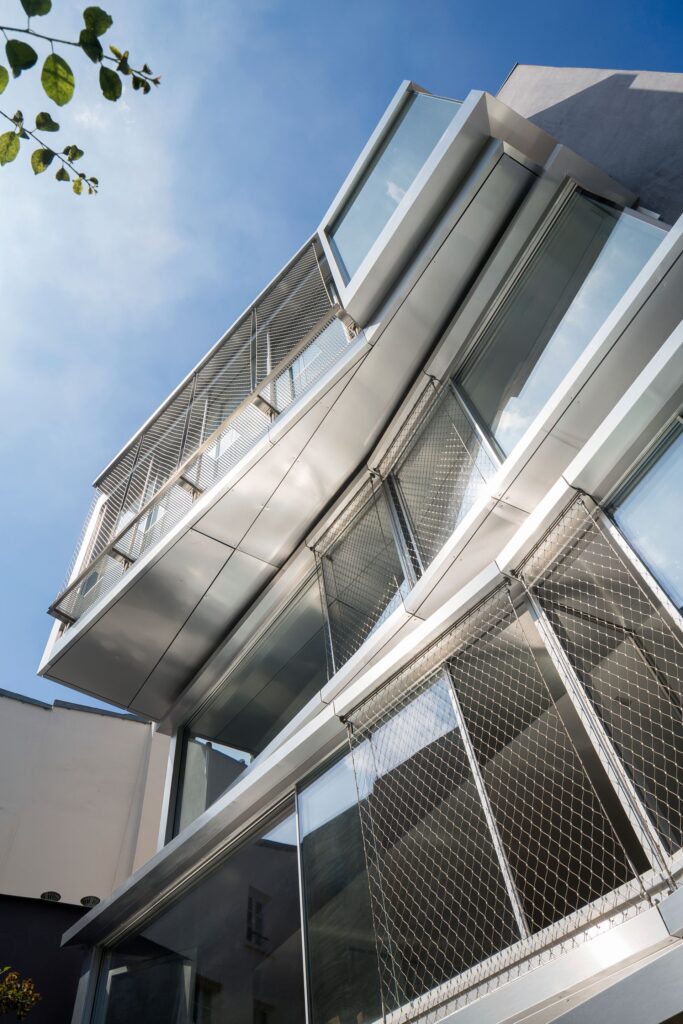
Vertbois, Jacques Moussafir Architectes, ©Hervé Abbadie

Minimalist architecture isn’t about the absence of detail; it’s about highlighting the beauty of the essentials. Start by identifying the building’s key elements – the geometric shapes, the interplay of light and shadow, the textures and materials.

Villa Soori,Laurence Barnathan & Cyril Montaudon, ©WE ARE CONTENTS

These elements are emphasized using negative space to create breathing room and draw the viewer’s eye towards the central focus.

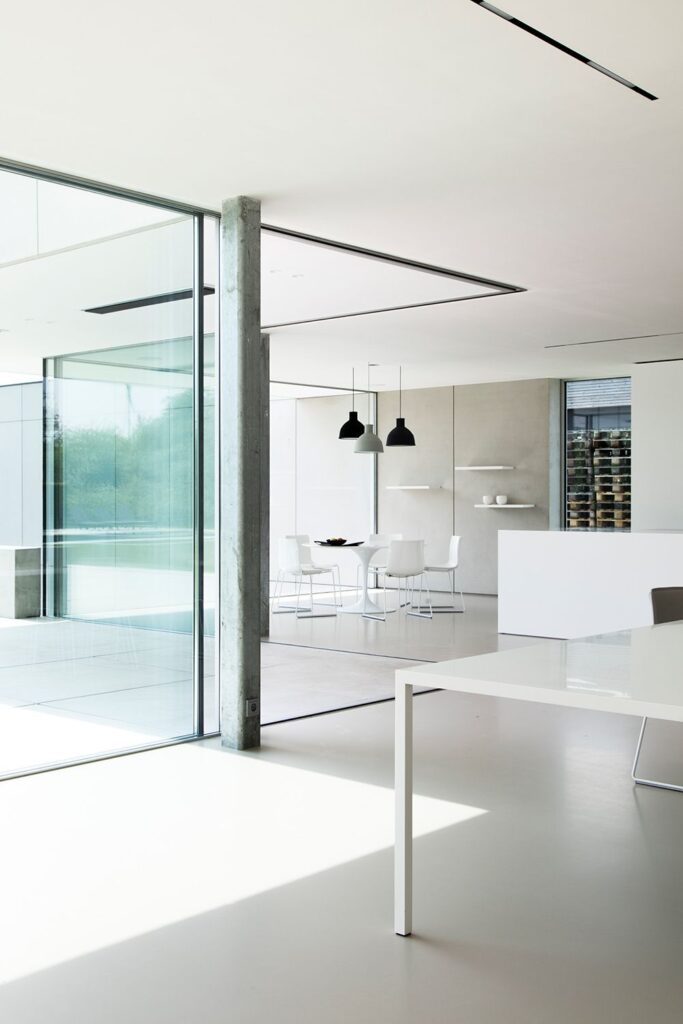
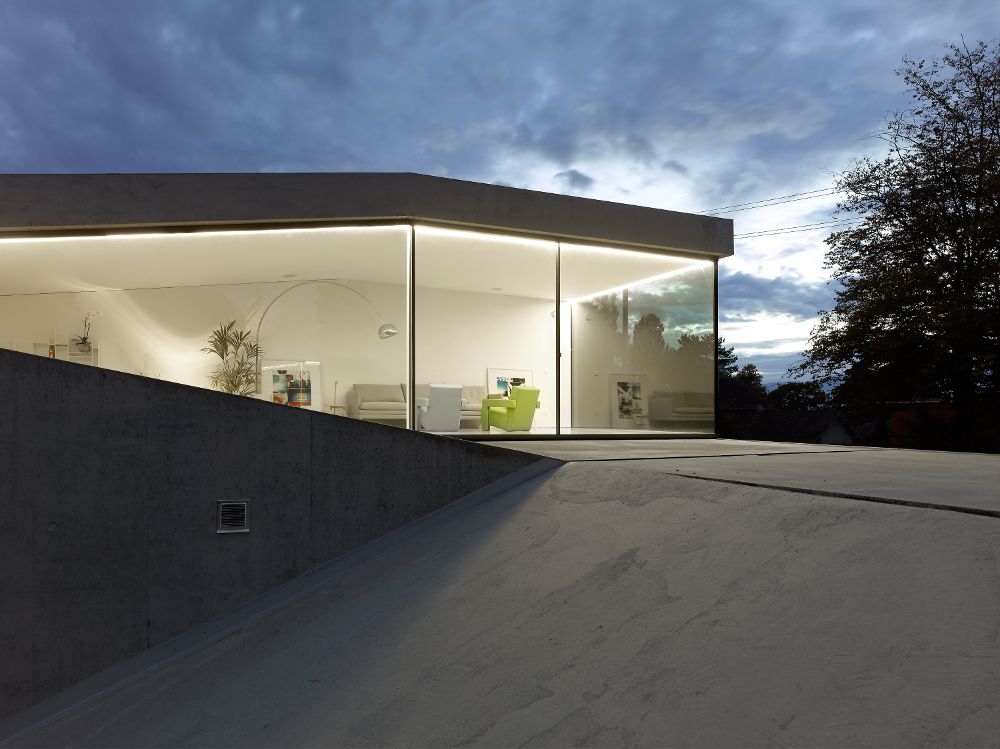
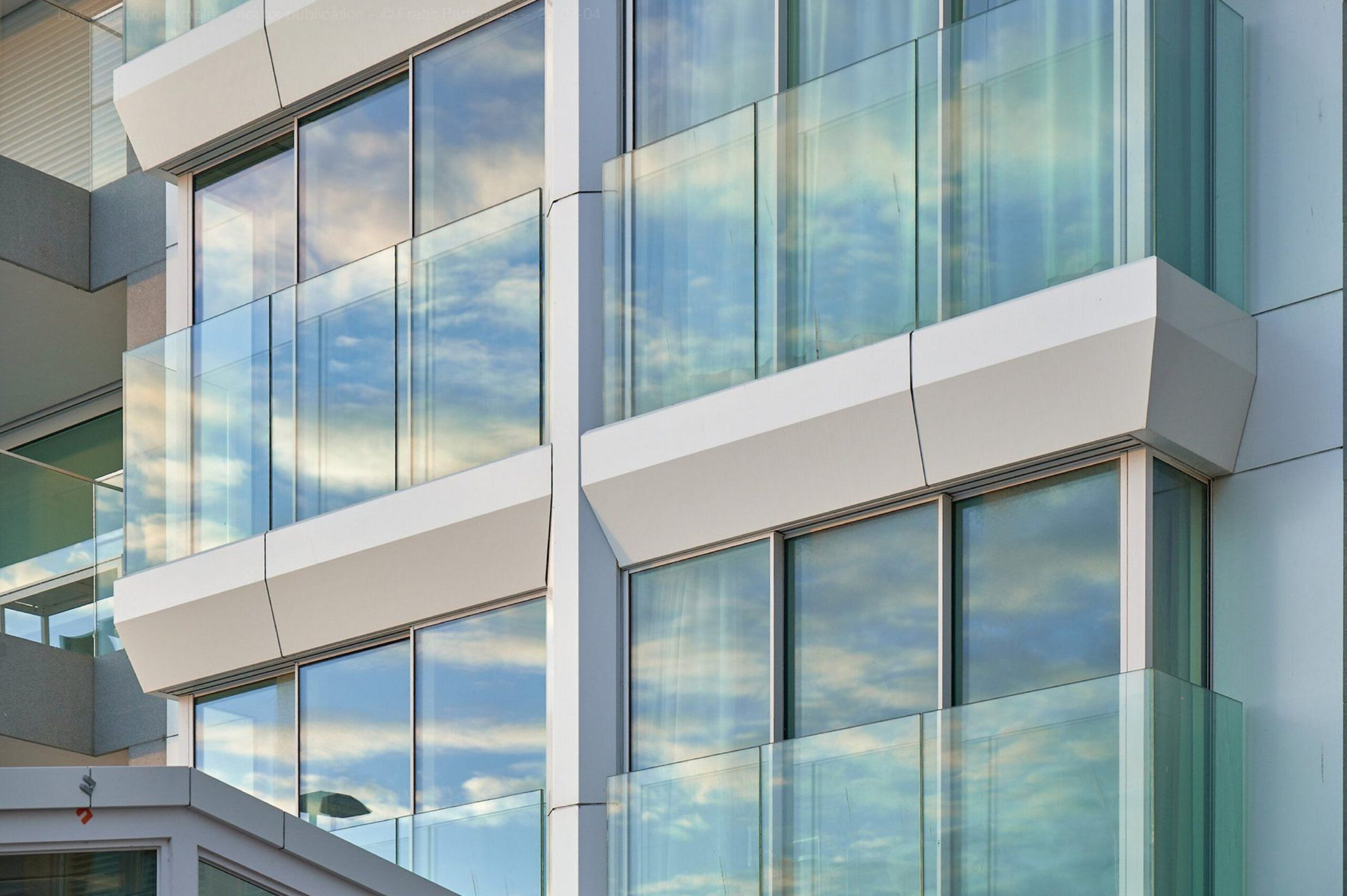
Switzerland, Dupraz Villa

Light is a powerful tool in minimalist photography. Natural light, especially abundant sunlight, can accentuate the architecture’s clean lines and geometric forms.

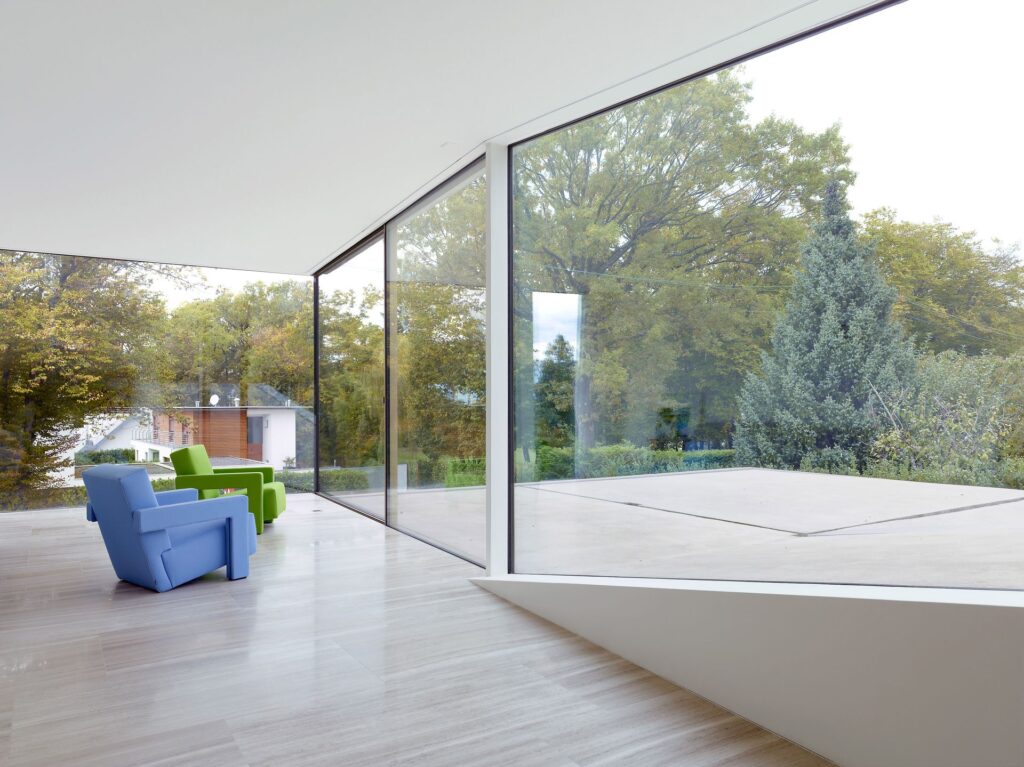
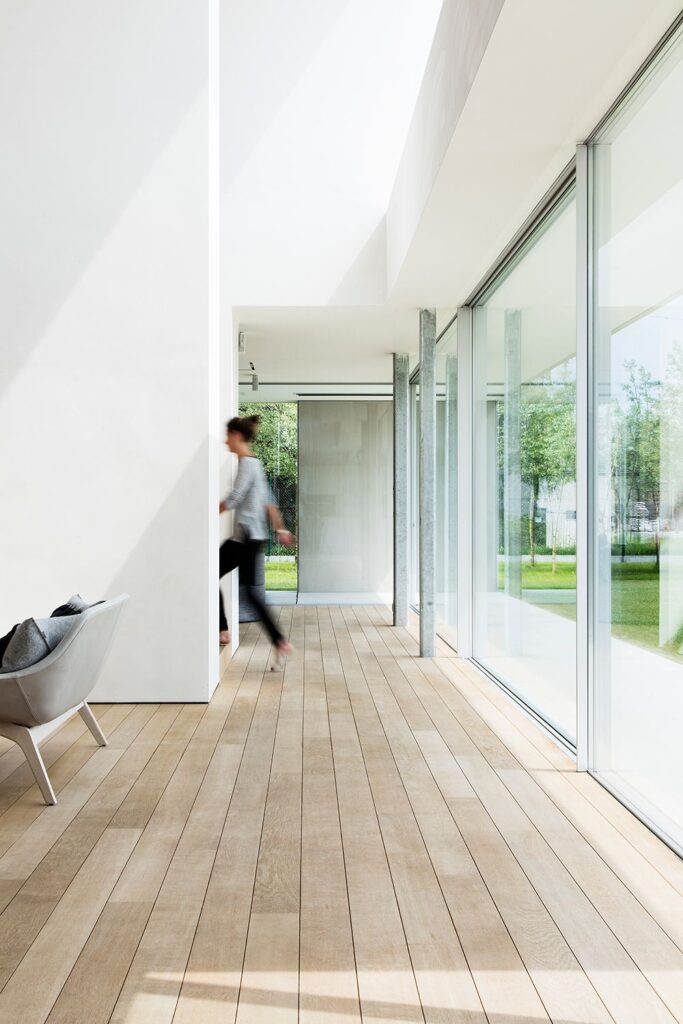
Villa V in Harelbeke , Francisca Hautekeete Architecture, ©Annick Vernimmen

Experimenting during different time of the day can enhance capturing how light light interacts with the building, creating dramatic shadows and highlighting textures. Artificial lighting can inject warmth and drama into minimalist compositions.

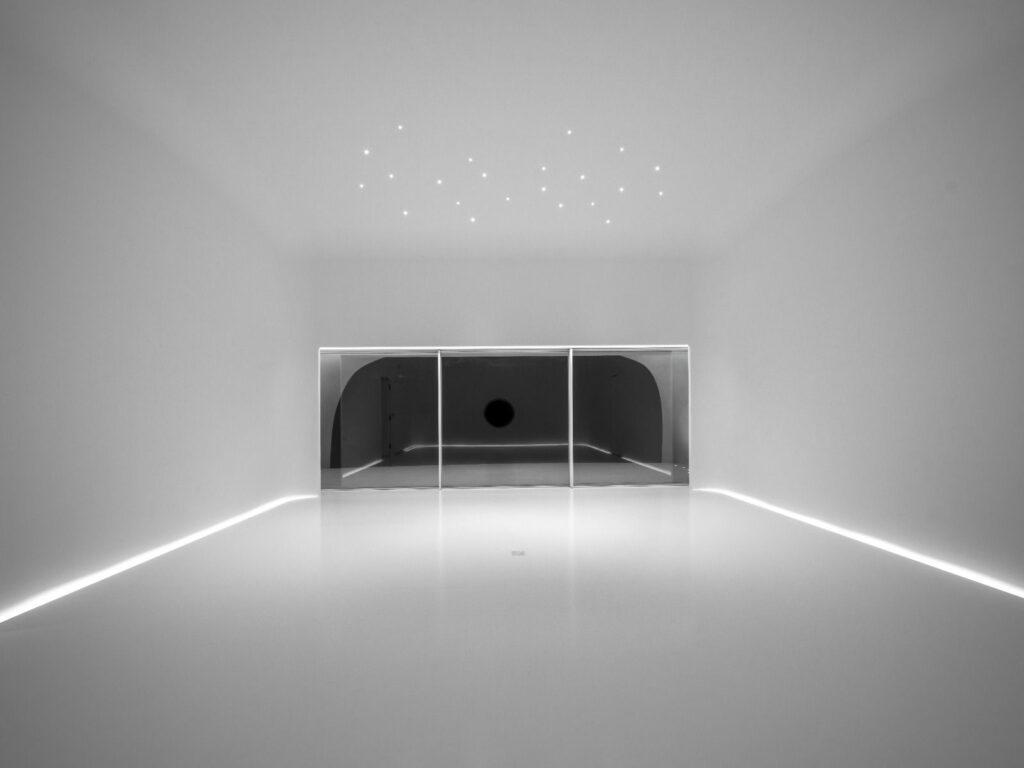
Switzerland, Dupraz Villa

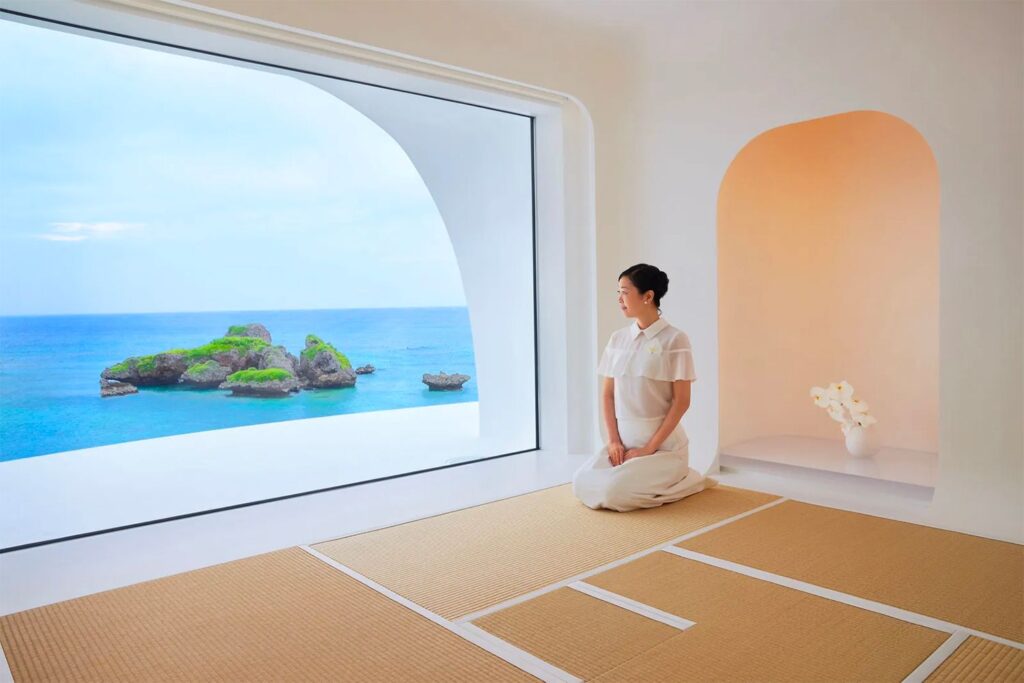
Mariko house, Japan

Lines and angles form the backbone of minimalist architecture. Architecture photographs use them to their advantage by carefully framing their shots. They lead the viewer’s eye through the composition, using lines to create depth and perspective. Exploring different angles to reveal hidden details and unique viewpoints. Playing with symmetry and asymmetry to create a sense of balance or tension.

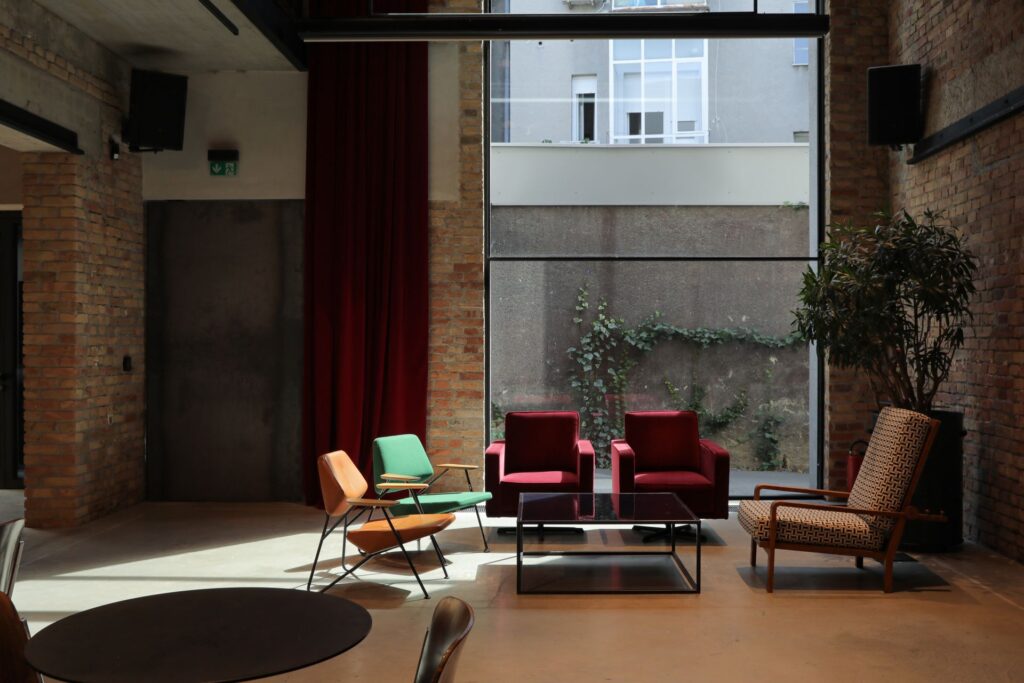
Urania,3LHD, ©JŽ

Private House, Guy Hayon, © Bruno Lança

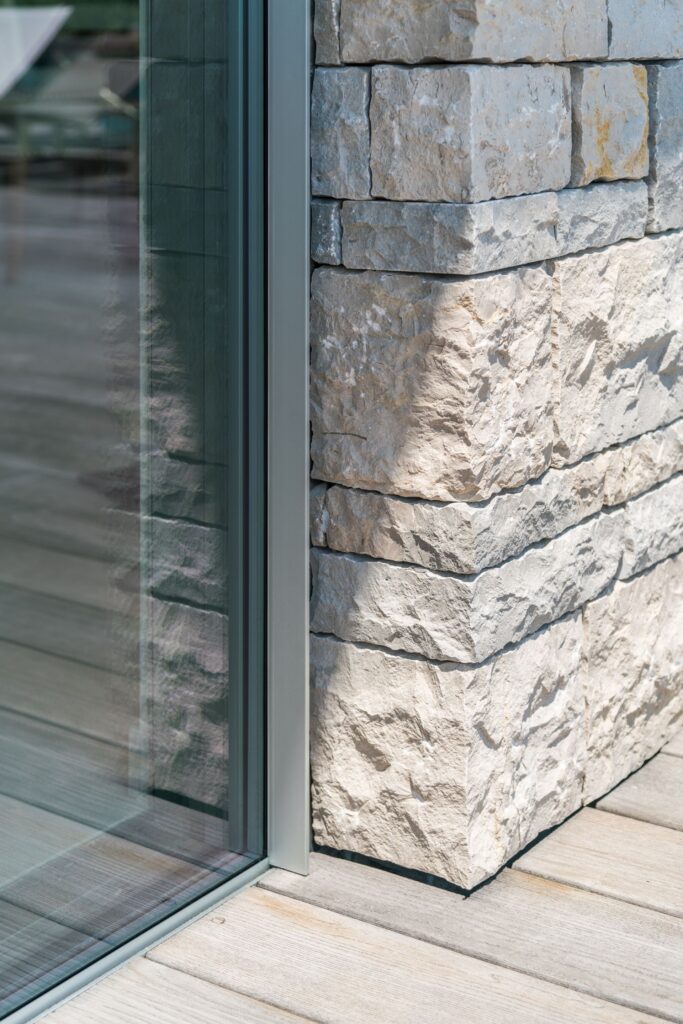
While minimalism emphasizes simplicity, subtle details and textures can add depth and interest to the photographs, Zooming in on a unique material, captures the intricate pattern of a facade, or showcase how light plays on a specific surface. These details can tell a story about the building and the design choices made.

Villa V in Harelbeke , Francisca Hautekeete Architecture, ©Annick Vernimmen

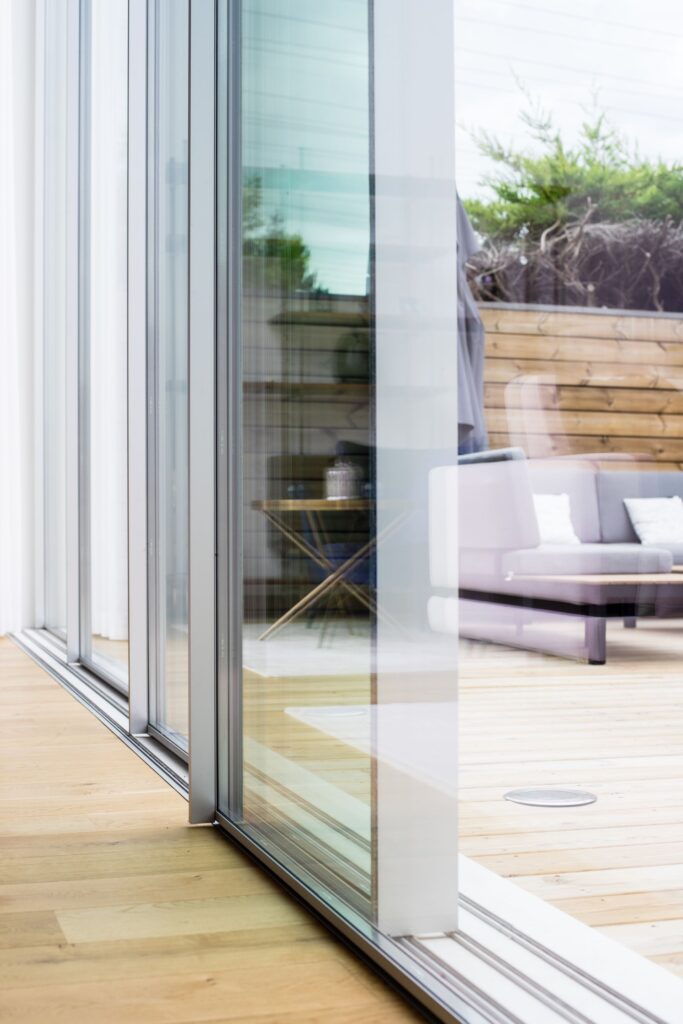
Minimalist architecture doesn’t exist in isolation. Architecture photographs consider how the building interacts with its surroundings. Does it blend seamlessly into nature or create a stark contrast? How do people interact with the space? They incorporate elements of the environment into their composition to add context and tell a more complete story.

Mariko house, Japan

Capturing the beauty of minimalist architecture is a journey of discovery. By understanding the core principles of the style, experimenting with light and composition, and paying close attention to detail, photographs can create aesthetically pleasing and thought-provoking photographs.

Newsletter

OTIIMA - Much more than a window

Subscribe