
The Beauty of Imperfection: Wabi-Sabi in Architecture

In a world driven by precision and perfection, wabi-sabi invites us to pause. To see beauty not in flawlessness, but in the irregularities that make something real. Rooted in Japanese philosophy, wabi-sabi celebrates the impermanent, the incomplete, and the imperfect, qualities that mirror life itself. 

In architecture, this approach changes how we experience space. Instead of aiming for symmetry or flawless finishes, wabi-sabi values materials that age, surfaces that evolve, and details that show the passage of time. A weathered wooden beam, a stone wall touched by sunlight, or the patina on metal—these are not flaws to hide but stories to tell. 

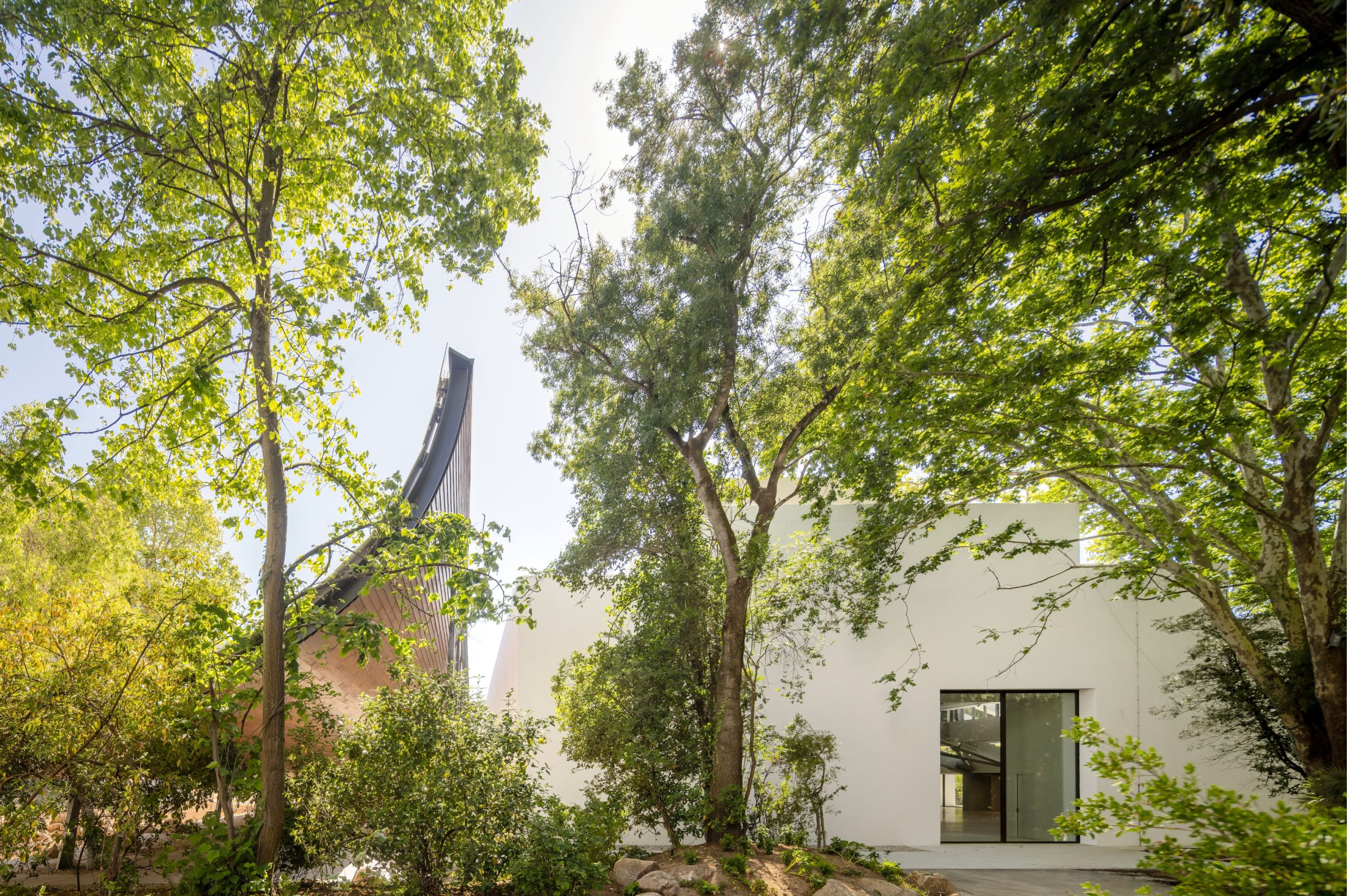
House in Caniçada | Carvalho Araújo | © NUDO

Minimalism and wabi-sabi often intersect, yet they diverge in one crucial way: minimalism seeks purity; wabi-sabi seeks authenticity. Where one refines, the other accepts. Together, they create a dialogue between control and surrender, between the human hand and nature’s touch. 

For architects, wabi-sabi gives them a framework to work with—a way of designing spaces that feel alive & evolving. It reminds us that architecture isn’t just a static thing: it breathes, it changes, it tells stories. The materials you use, like raw concrete, natural stone, and untreated wood, all have a story to tell. As they age, they gain a particular texture and depth, becoming even more honest over time. 
Read alsoMinimalism and Maximalism: The Duality of Design

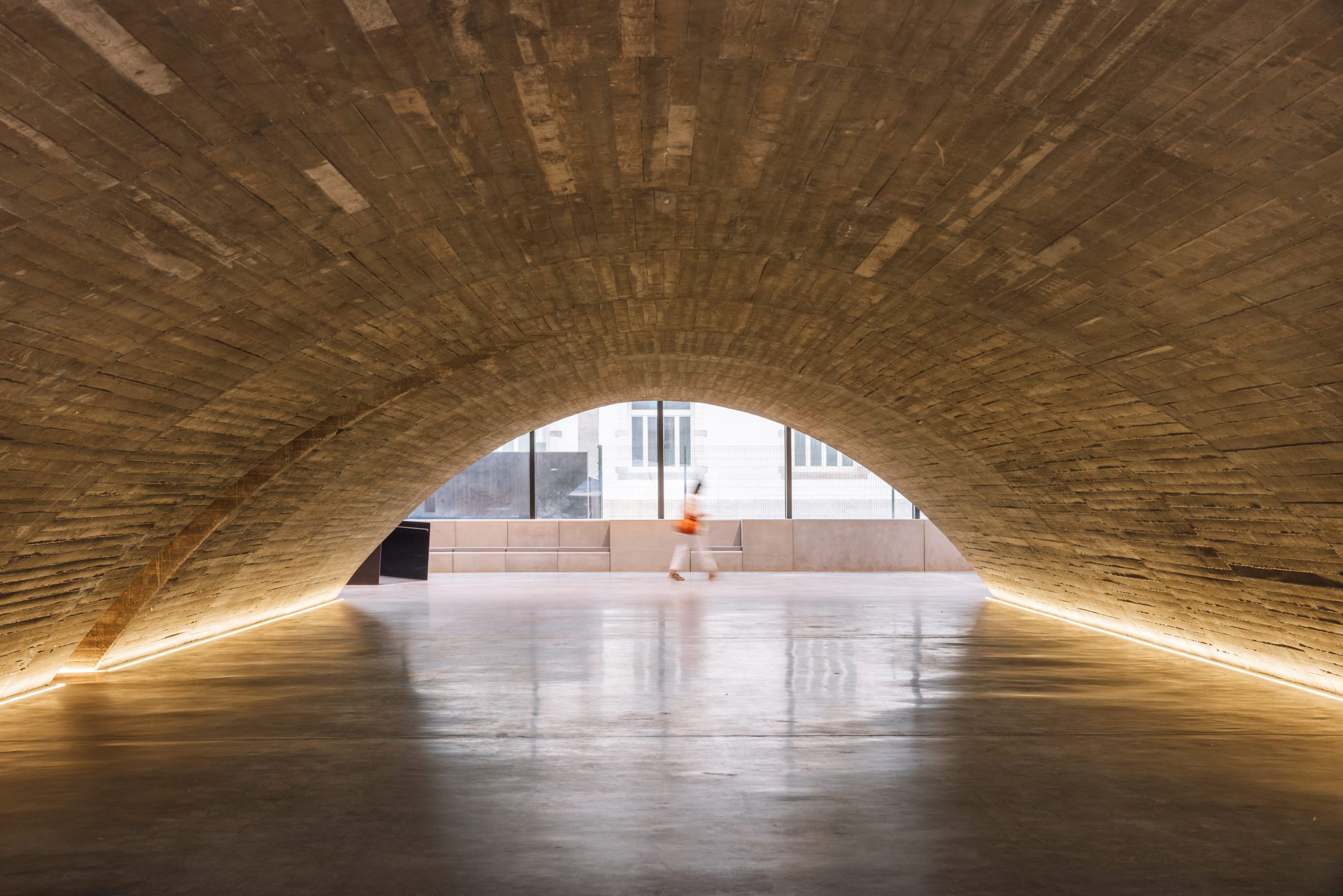
EDP New Headquarters | ELEMENTAL | © Francisco Nogueira

1. Heydar Aliyev Center – Zaha Hadid

1. Heydar Aliyev Center – Zaha Hadid

At OTIIMA, this philosophy resonates deeply. Our systems don’t just aim for precision & performance, they also aim to find a balance with the environment around them. A sliding frame that disappears into the wall, a glass pane that reflects the changing light—those are little gestures that embody a balance between innovation and imperfection, technology & nature. 
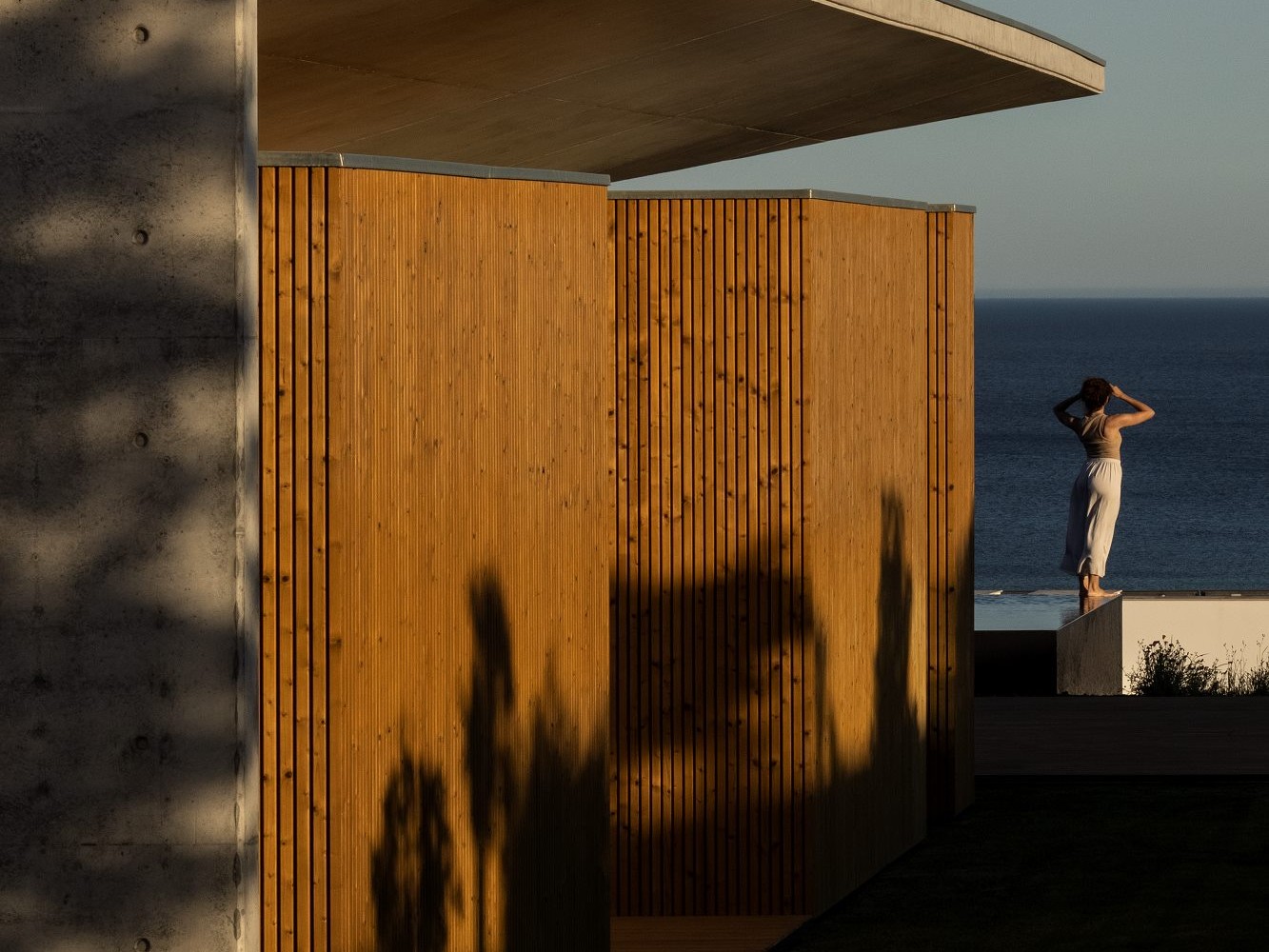
Libre House | Mário Martins Atelier | © Fernando Guerra | FG+SG


Wabi-sabi reminds us that beauty is not found in what lasts forever, but in what gracefully fades. In architecture, this awareness creates spaces that invite contemplation and feel human. 

In the end, imperfection is not a flaw to be corrected, but a truth to be embraced. And in that truth lies a timeless kind of beauty. 

Compare products

Compare products easily by analyzing features and specifications side by side to find the best option for your needs.

thermal-transmittance

Thermal transmittance

watertightness

Watertightness

air-permeability

Air permeability

wind-resistance

Wind resistance

insulation

Acoustic insulation

security

Resistance class

thermal-transmittance

Thermal Transmittance

Uw 1.87 W / m2 K (26mm)
Uw 1.58 W / m2 K (38mm)
Uw 1.07 W / m2 K (54mm)

watertightness

Watertightness

ISO EN 12208 + ISO EN 1027

up to E900 (26mm)
up to E1050 (38mm)
up to E1200 (54mm)
air-permeability

Air permeability

ISO EN 12207 + ISO EN 1026

up to Class 3 (26mm)
up to Class 4 (38mm)
up to Class 4 (54mm)
wind-resistance

Wind resistance

ISO EN 12210 + ISO EN 12211

Class B3 (26mm)
Class C5 (38mm)
Class B4 (54mm)
insulation

Sound insulation

ISO EN 10140 + ISO EN 717

up to 42 db
security

Security

ISO EN 1628 + ISO EN 1629 + ISO EN 1630

RC2: (WK2) *1
thermal-transmittance

Thermal Transmittance

Uw 1.56 W / m2 K (38mm)
Uw 1.06 W / m2 K (54mm)
Uw 0.89 W / m2 K (62mm)

watertightness

Watertightness

ISO EN 12208 + ISO EN 1027

up to E1200 (38 mm)
air-permeability

Air permeability

ISO EN 12207 + ISO en 1026

up to Class 4 (38 mm)
wind-resistance

Wind resistance

ISO EN 12210 + ISO EN 12211

Class B5 (38 mm)
insulation

Sound insulation

ISO EN 10140 + ISO EN 717

up to 38 db
security

Security

ISO EN 1628 + ISO EN 1629 + ISO EN 1630

RC2: (WK2) *1
thermal-transmittance

Thermal Transmittance

Uw 1.61 W / m2 K (38mm)
Uw 1.08 W / m2 K (54mm)

watertightness

Watertightness

ISO EN 12208 + ISO EN 1027

up to E1650 (38 mm)
air-permeability

Air permeability

ISO EN 12207 + ISO EN 1026

up to Class 4 (38 mm)
wind-resistance

Wind resistance

ISO EN 12210 + ISO EN 12211

Class C5 (38 mm)
insulation

Sound insulation

ISO EN 10140 + ISO EN 717

up to 40 db
security

Security

ISO EN 1628 + ISO EN 1629 + ISO EN 1630

RC2: (WK2) *1
thermal-transmittance

Thermal Transmittance

Uw 1.55 W / m2 K (38mm)
Uw 1.07 W / m2 K (54mm)

watertightness

Watertightness

ISO EN 12208 + ISO EN 1027

up to Class 8A (38 mm)
up to Class 8A (54mm)
air-permeability

Air permeability

ISO EN 12207 + ISO en 1026

up to Class 3 (38 mm)
up to Class 4 (54mm)
wind-resistance

Wind resistance

ISO EN 12210 + ISO EN 12211

Class B3 (38 mm)
Class C4 (54mm)
insulation

Sound insulation

ISO EN 10140 + ISO EN 717

up to 38 db
security

Security

RC2: (WK2) 2

RC2: (WK2) *1

Newsletter

OTIIMA - Much more than a window

Subscribe