

Glass significantly impacts a building’s thermal performance. For architects and specifiers, choosing the right glazing means balancing transparency and daylight with thermal comfort and energy efficiency.
Two commonly specified solutions are Solar Control Glass and Low-E Glass. While both use advanced coatings to improve glazing performance, they address different aspects of heat transfer.
Understanding the difference helps determine which solution or combination is best suited to each project.
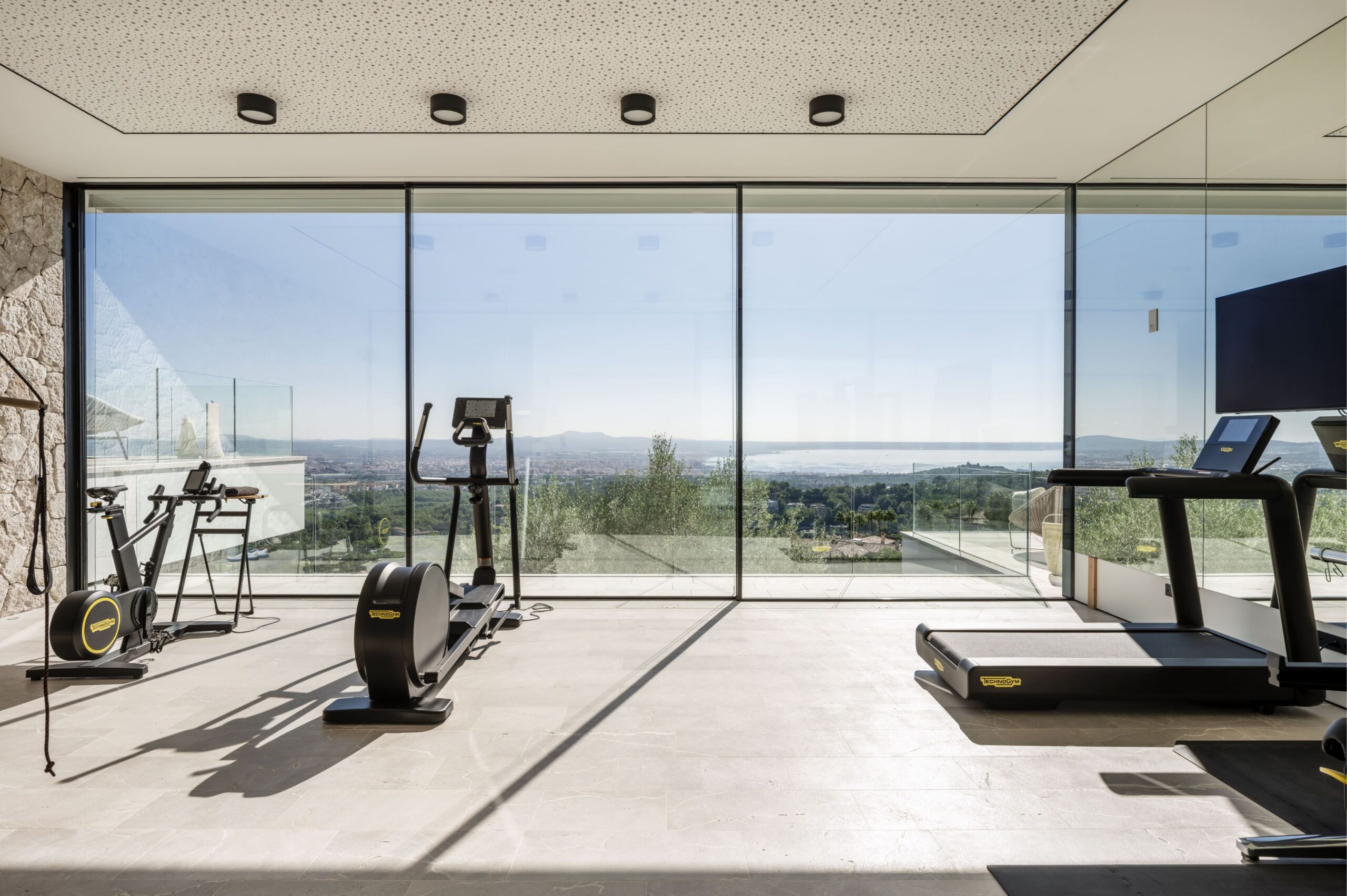
Casa AL08 | Estudio Cano Arquiectura | © Tomeu Canyellas
What is Solar Control Glass?
Solar Control Glass is designed to control the amount of solar energy entering a building.
Its coating selectively filters solar radiation, reducing heat transmitted through the glass while allowing natural daylight in. This is especially important for large glazed façades or buildings exposed to direct sunlight.
The performance of solar control glazing is assessed by the solar factor (g-value) or solar heat gain coefficient (SHGC). A lower value means less solar energy enters the building.
By limiting unwanted solar heat gain, Solar Control Glass can help:
Reduce overheating during warmer periods
Lower cooling requirements
Improve thermal comfort
Maintain natural daylight while limiting excessive heat
It is especially relevant in warm climates, highly exposed façades, and projects with large glass areas.
What is Low-E Glass?
Low-E stands for low emissivity. Instead of mainly controlling solar radiation, a Low-E coating reduces heat transfer through the glazing.
The coating is an extremely thin metallic layer that reflects long-wave infrared radiation. In cold conditions, it helps retain heat inside the building instead of letting it escape through the glass.
The insulating performance of glazing is measured by its U-value. A lower U-value indicates better thermal insulation.
Low-E Glass can therefore help:
Reduce heat loss
Improve thermal insulation
Lower heating requirements
Maintain more consistent interior temperatures
Improve comfort near glazed surfaces
It is widely used in double and triple glazing and can adapt to various climatic and performance requirements.
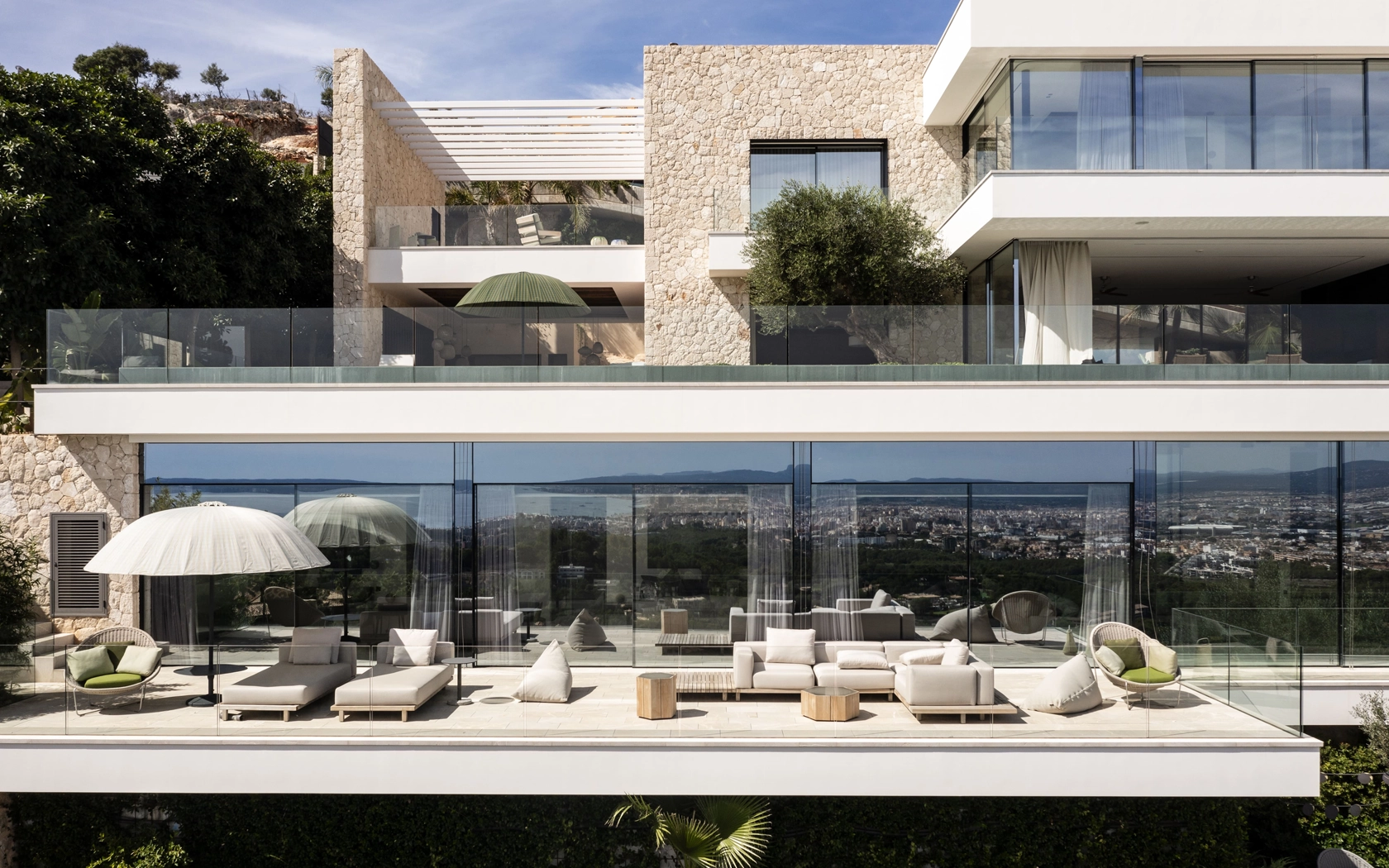
Casa AL08 | Estudio Cano Arquiectura | © Tomeu Canyellas
Solar Control Glass vs Low-E Glass: What is the Difference?
The simplest distinction is: solar control glass controls heat from the sun. Low-E Glass controls heat moving through the glazing.
Solar Control Glass | Low-E Glass | |
Main function | Controls solar heat gain | Reduces heat transfer |
Main concern | Overheating | Heat loss |
Key performance value | g-value / SHGC | U-value |
Particularly useful for | Warm climates and solar-exposed façades | Cold climates and heating-dominated buildings |
However, these properties are not necessarily exclusive.
Modern glazing solutions combine solar control and Low-E performance, letting the glass limit unwanted solar gains and improve thermal insulation.

Banánka House | Paulíny Hovorka Architekti | © Matej Haka
Which Solution is Right for a Project?
The answer depends on factors such as climate, orientation, glazing area, shading, building use, and heating and cooling needs.
Warm climates and high solar exposure
Solar control is often a priority where façades receive significant direct sunlight. Controlling solar gains helps reduce overheating and the energy needed for cooling.
Cold climates
Low-E performance is important where reducing heat loss is a priority. By improving thermal insulation, Low-E glazing helps retain internal heat and reduce heating demand.
Mixed climates
In climates with significant heating and cooling needs, glazing must balance both properties. A high-performance solution combining Low-E and solar control offers a more comprehensive approach.
Large glazed façades
The larger the glazed area, the more important the relationship between glass performance and the building envelope. Glass should be considered alongside the frame, orientation, shading strategy, and overall energy performance of the façade.
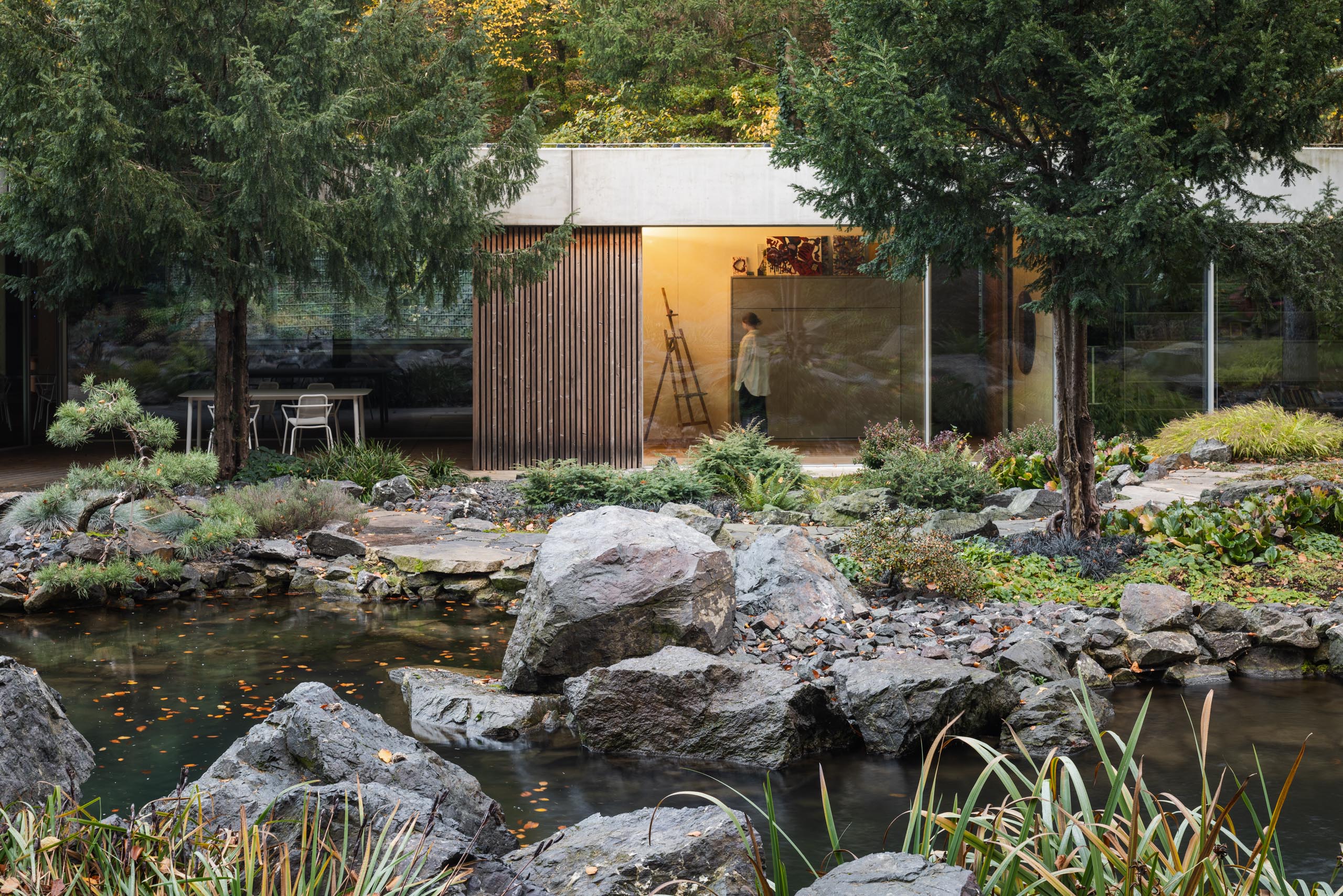
Banánka House | Paulíny Hovorka Architekti | © Matej Haka
Choosing Glass as Part of the Architectural Strategy
Solar Control and Low-E Glass are not just two alternatives. They address different thermal challenges and, depending on the project, can work together.
The right specification starts with understanding how the building interacts with its climate: how much solar radiation reaches the façade, how much heat it retains, and how the glazing contributes to the building’s energy strategy.
For architects and specifiers, the objective is to find the right balance between thermal performance, daylight, comfort, and transparency while preserving the architectural intent of the project.
The best glazing specification is therefore not necessarily the one with the highest performance in a single category, but the one that best responds to the building as a whole.


