
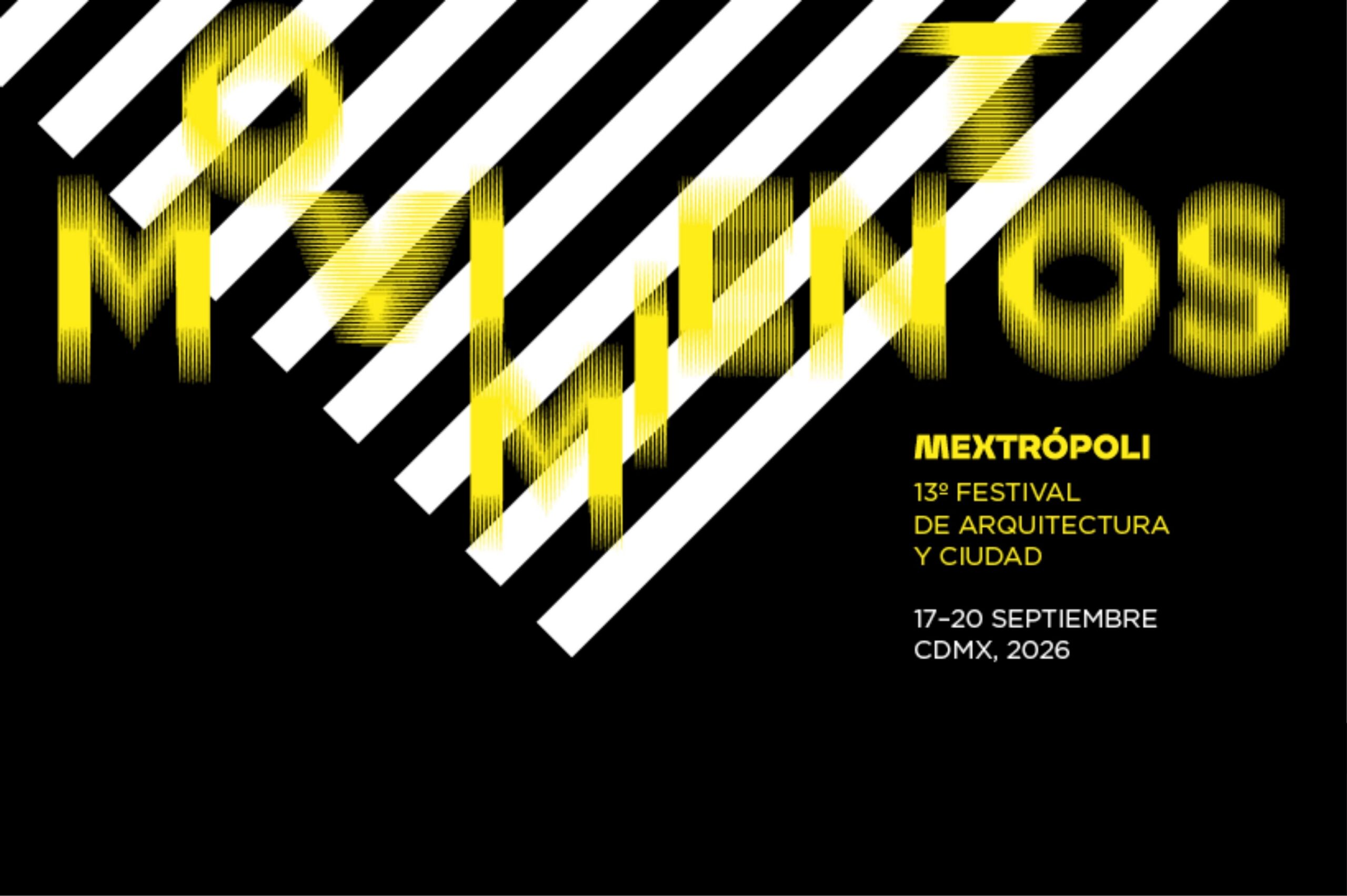
From September 17–20, Mexico City will host the 13th edition of MEXTRÓPOLI – Festival de Arquitectura y Ciudad, bringing together architects, urbanists, designers, artists, institutions, and citizens to reflect on the city’s future through architecture.
OTIIMA is proud to support MEXTRÓPOLI 2026, joining a program that brings together some of the most relevant voices in contemporary architecture and creates opportunities to experience the city through lectures, exhibitions, discussions, architectural routes, and public space interventions.
MOVIMIENTOS: architecture in transformation
This year’s festival theme is MOVIMIENTOS.
MEXTRÓPOLI 2026 proposes viewing the urban environment not as fixed, but as a choreography of forces, trajectories, and frictions. The movement of people, ideas, spaces, and systems becomes a way of questioning established ways of designing and making cities.
The festival invites architects, urbanists, designers, artists, institutions, and citizens to challenge what appears permanent and explore other possibilities for the future of the city.
Over four days, more than 80,000 people are expected to take part in a program spanning Mexico City, turning its streets and cultural venues into spaces for discussion, observation, and experimentation.
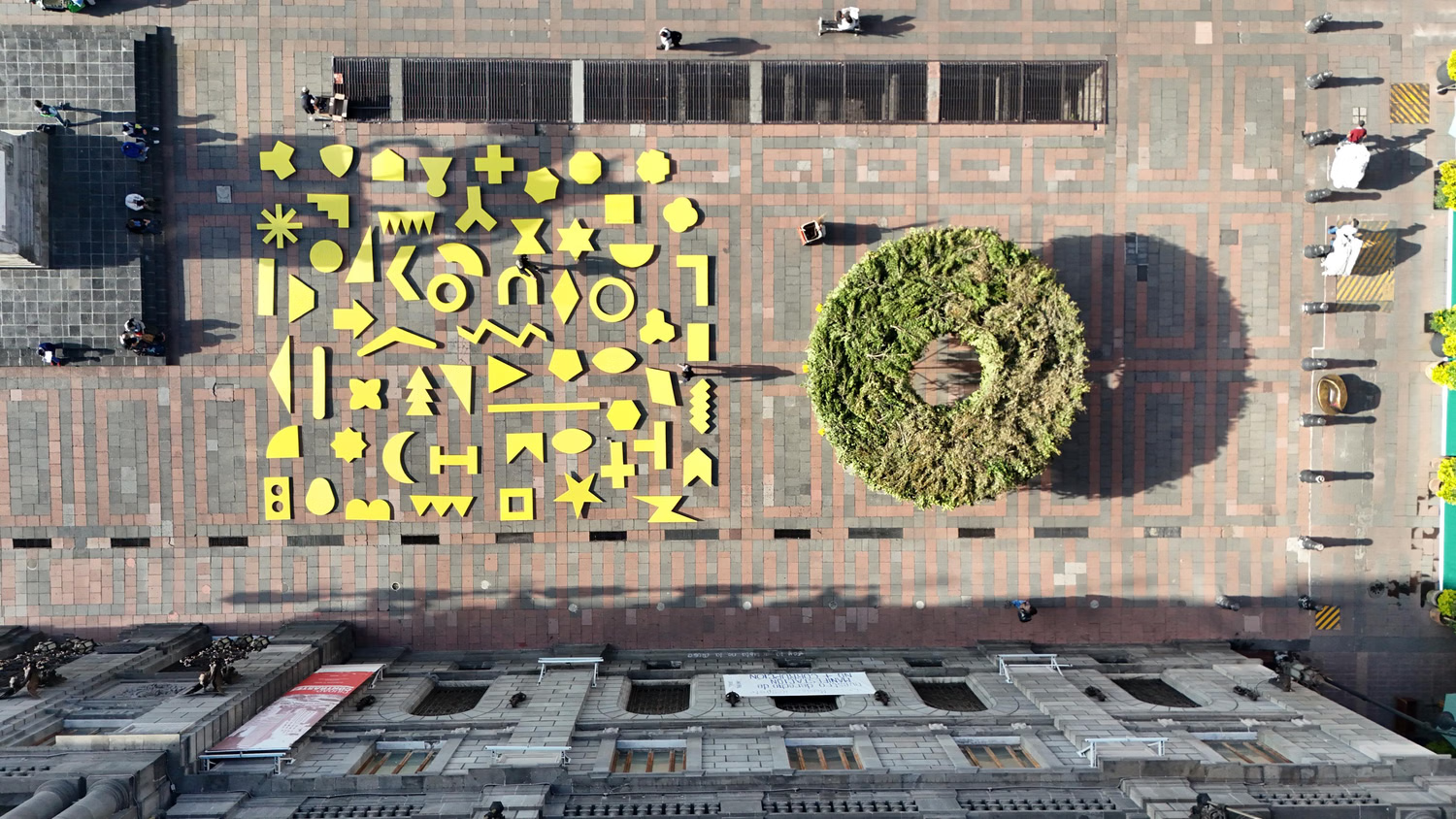
The tree that floated away | Arquine Competition No.27 | MEXTRÓPOLI Pavilion 2025
A meeting point for international architecture
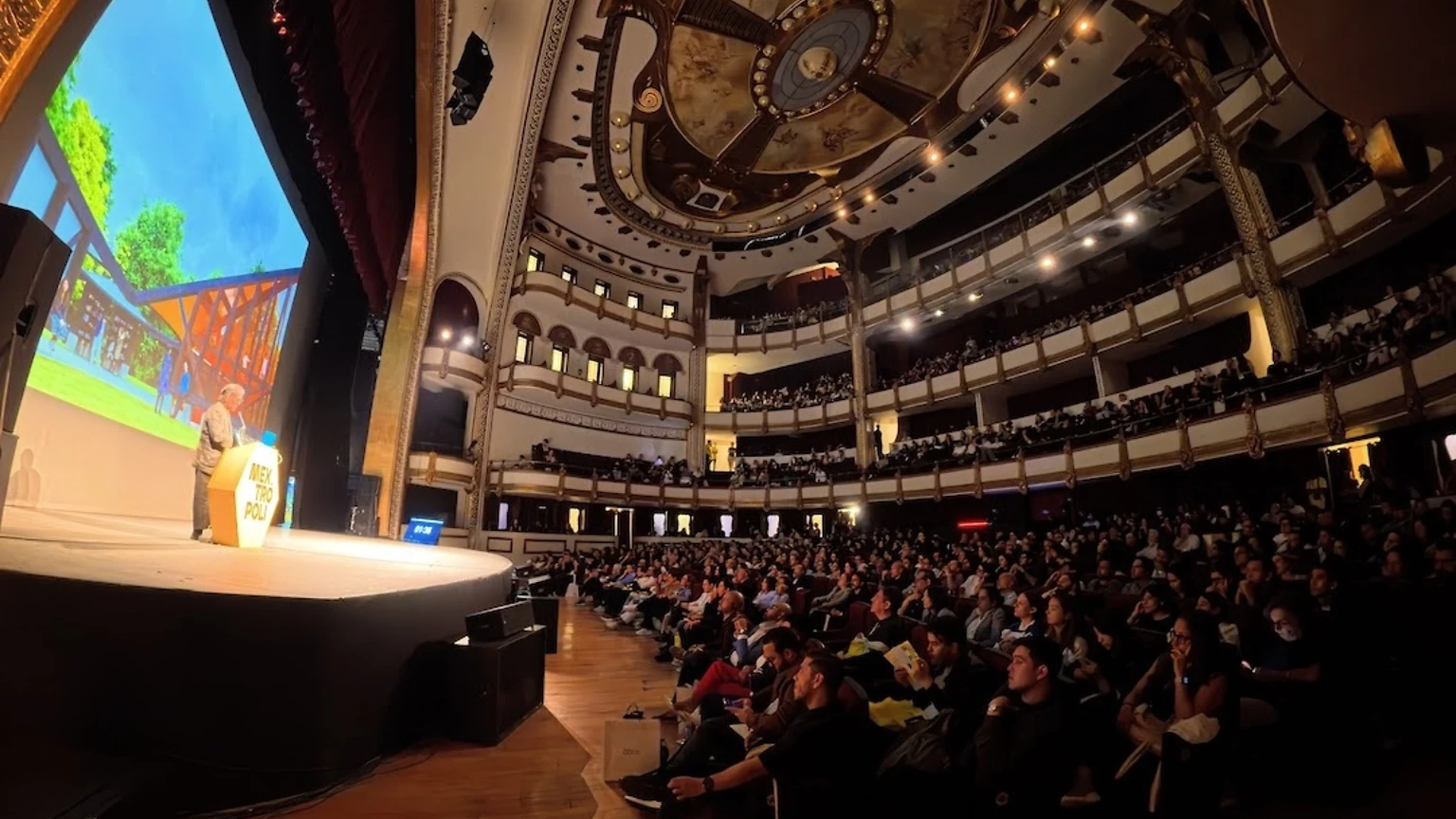
One highlight of MEXTRÓPOLI 2026 is its conference program, taking place at the Teatro de la Ciudad Esperanza Iris on September 18.
The program brings together an international group of architects, researchers, and architectural thinkers, including Riken Yamamoto, winner of the 2024 Pritzker Prize; Lina Ghotmeh, architect of the Serpentine Pavilion 2023; Junya Ishigami, winner of the Golden Lion at the 2010 Venice Architecture Biennale; LANZA Atelier, authors of the Serpentine Pavilion 2026; and Manuel Aires Mateus, co-founder of Aires Mateus and one of Portugal’s most recognized architects internationally.
The conference lineup also includes Anna Puigjaner, Roger Boltshauser, Beatriz Colomina & Mark Wigley, Josep Ferrando, Carlos Jiménez, Fernanda Lonardoni, and Joan Roig.
Together, these different practices and perspectives reflect the breadth of contemporary architectural thinking and the many ways architecture can engage with the city.
Beyond the conference room
MEXTRÓPOLI’s program extends well beyond its conferences.
The 2026 edition includes 12 conferences, three exhibitions, over 10 architectural routes and specialized visits, nine temporary public space installations, a light installation, film screenings, book presentations, and several dialogue sessions.
This multidisciplinary approach is central to the festival’s identity. Architecture is not shown only through buildings or drawings but through how people experience, inhabit, discuss, and transform their surroundings.
The architectural routes offer another way to engage with Mexico City. They take participants to places like Ciudad Universitaria, Reforma, Unidad Independencia, Tlatelolco, and Santa María la Ribera while exploring works by architects such as Teodoro González de León, O’Gorman, and Mathias Goeritz.
© Cortesía Mextrópoli
Architecture and the public space
Public space takes a particularly important role in this year’s edition.
Nine temporary installations will occupy Alameda Central in Mexico City’s Historic Center and Laguna, exploring relationships between architecture and public space and inviting visitors to interact with their surroundings.
Among them is el muro, the winning project of Concurso Arquine No. 28. Based on a permeable element, the pavilion creates a division that becomes an experience of connection and spatial transformation.
The intervention seeks to change how people experience the space in everyday life, illustrating the festival’s central idea that movement can catalyze transformation.
Three exhibitions, multiple perspectives
The festival’s exhibition program further expands the conversation around architecture and the city.
Entretejidas. Arquitectas mexicanas: presente, pasado y futuro, presented at Colegio San Ildefonso, recognizes the contributions of over 200 Mexican women architects in the discipline’s history.
At the Centro Cultural de España, Polis. Premio Europeo de Espacio Público brings together 32 projects organized around themes such as memory, recycling, mobility, markets, renaturalization, participation, housing, and care.
Meanwhile, Construir Europa. Arquitecturas Catalanas. EUmies Awards 1988–2026, presented at LAGUNA, showcases Catalan architecture recognized and nominated for the European Union Prize for Contemporary Architecture.
Together, these exhibitions broaden the festival’s perspective, connecting architecture with memory, mobility, public space, identity, and the evolution of cities.
A city to be explored
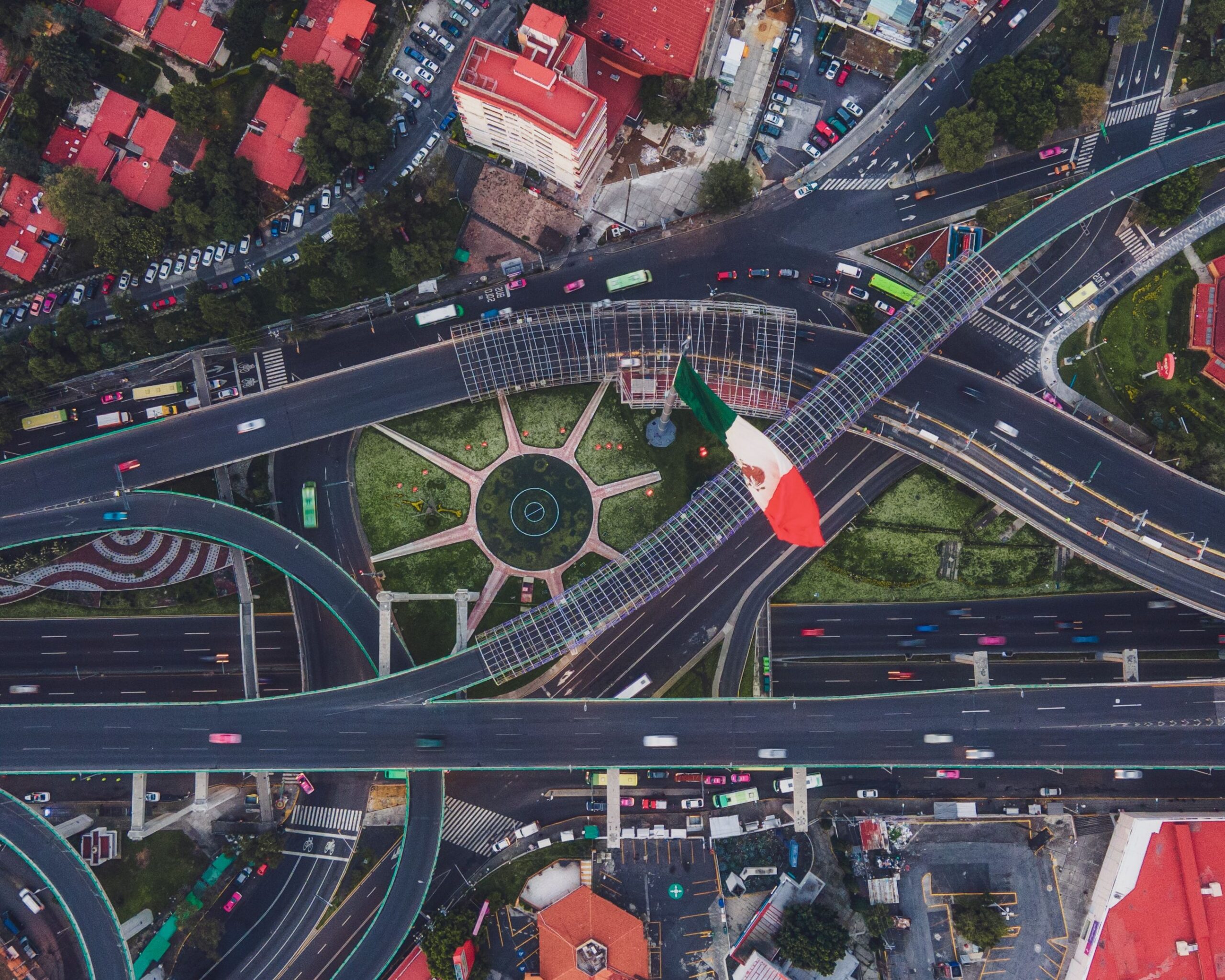
Perhaps one of the most distinctive aspects of MEXTRÓPOLI is that the festival isn’t confined to a single venue.
Its routes, installations, exhibitions, and public-space interventions encourage visitors to experience Mexico City as part of the program.
This approach reinforces the idea behind MOVIMIENTOS: the city is constantly changing, and architecture is one way to observe, question, and shape that change.
OTIIMA at MEXTRÓPOLI 2026
Events such as MEXTRÓPOLI create an opportunity to step back from individual projects and consider the wider questions shaping architecture today: how we move through spaces, how cities evolve, how boundaries can be reinterpreted, and how design can contribute to a better shared future.
From September 17 to 20, Mexico City will be a place to observe, explore, discuss, and transform architecture and the city.
OTIIMA will be there.


