
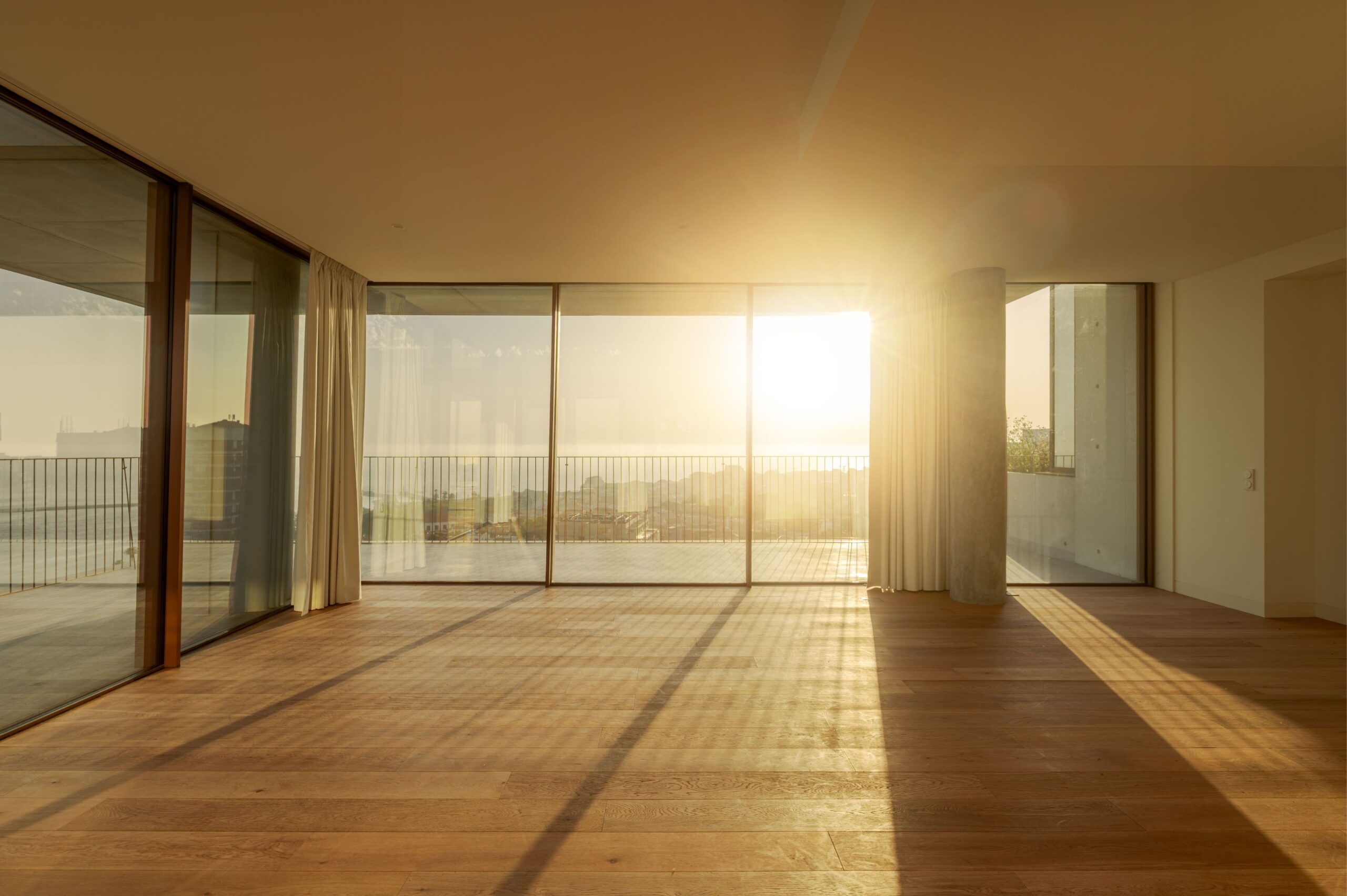
In architecture, emotion is designed. Long before a space is described as beautiful, serene, or powerful, it is experienced through the body and the senses. This experience is sustained by foundational architectural principles that have endured across centuries: scale, proportion, and light.
These pillars are not mere stylistic choices; instead, they serve as technical and spatial instruments. When mastered, they effectively translate architectural intent into an emotional response.
Scale: Spatial Dimension in Relation to the Human Body
Scale defines the relationship between the human body and space. It determines whether a space feels monumental or intimate, expansive or contained.
From a technical perspective, scale is achieved through clear spans, structural capacity, and dimensional continuity. From an experiential perspective, it forms perception and movement.
High ceilings increase perceived volume and airiness. Large openings extend visual boundaries and reinforce a connection with the surrounding landscape. In contemporary luxury architecture, scale is often expressed through expansive glazing systems that dissolve the threshold between interior and exterior.
However, scale without control can feel excessive.
Minimal frame systems enable large glass surfaces without adding visual mass. By reducing profile dimensions and maximizing transparency, architectural scale is expressed through glass rather than structure. The result is a space supported by engineering.
Architecture communicates confidence and clarity when scale is correctly resolved.
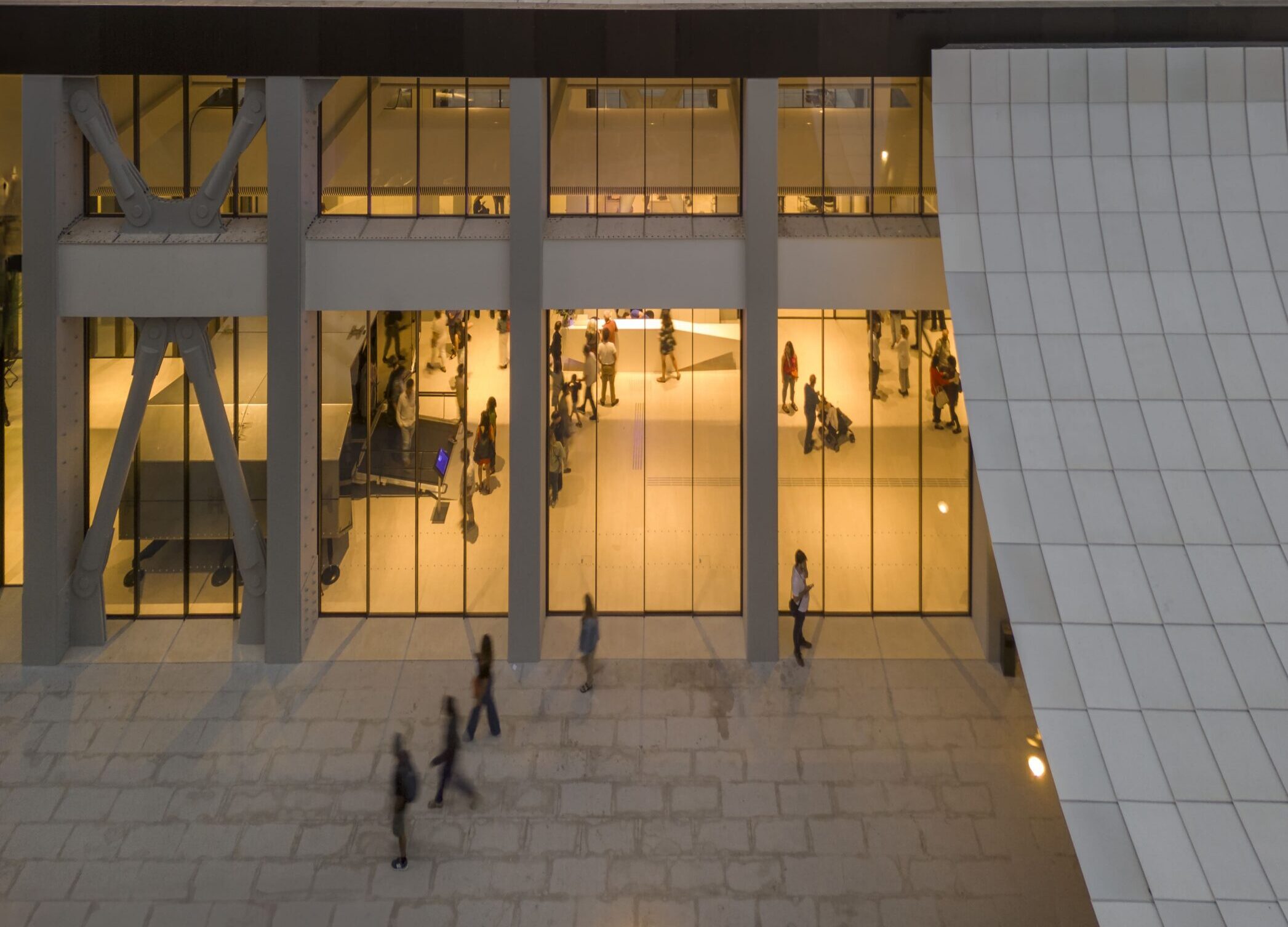
CAM- Gulbenkian Modern Art Center | Kengo Kuma & Associcates + OODA | © Fernando Guerra
Proportion: Geometric Order and Visual Balance
If scale establishes dimension, proportion establishes order.
Proportion governs the relationships between architectural elements: solids and voids, height and width, frame and glass, structure and opening. These relationships create visual balance and spatial coherence.
Rooted in classical geometry and refined by modernist architecture, proportion operates as a silent language. Well-proportioned spaces feel calm, legible, and timeless, not because they attract attention, but because they avoid friction.
In minimalist architecture, proportion is a critical technical challenge. With fewer elements, tolerances are tighter, and every joint becomes visible. Frame alignment with slabs, ceiling planes, and adjacent materials directly affects the perceived quality of the space.
Window and façade systems must integrate seamlessly into the architectural grid. Excessive frame thickness, misalignment, or visual interruption compromises proportional clarity.
Proportion, when executed with discipline, reinforces long-term relevance.
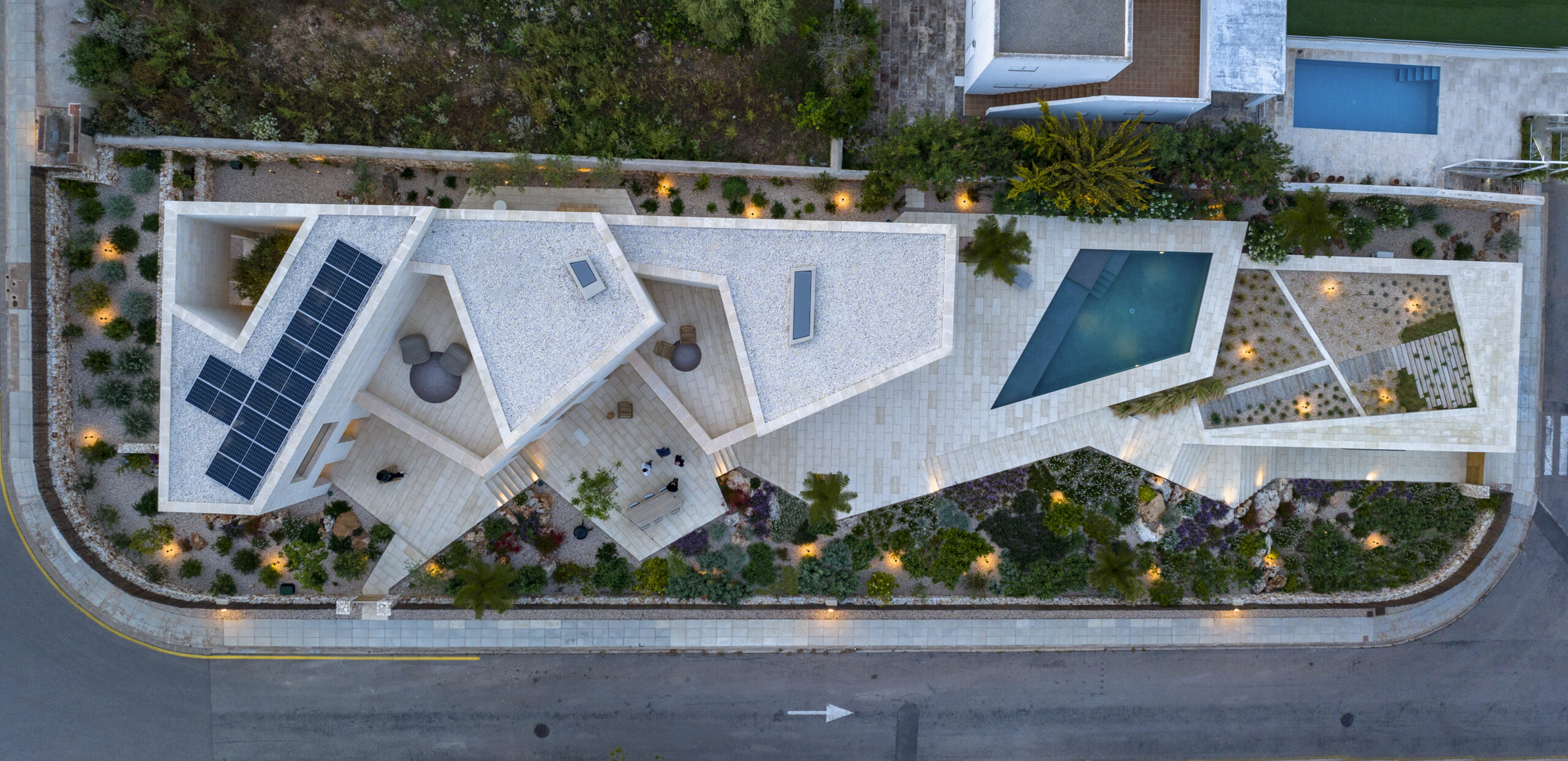
Onze House | Clara Solà-Morales | ©Sandra Pereznieto
1. Heydar Aliyev Center – Zaha Hadid
1. Heydar Aliyev Center – Zaha Hadid
Light: Performance, Atmosphere, and Spatial Definition
Light is both a technical requirement and an emotional catalyst.
Daylight influences circadian rhythm, comfort, and the perception of space. From an architectural standpoint, it defines volume, materiality, and depth. From a performance standpoint, it must be controlled, filtered, and optimized.
Large glazed openings allow natural light to penetrate deeper into interior spaces, reducing reliance on artificial lighting and reinforcing a connection to the exterior. However, quantity alone is insufficient. Orientation, solar control, glass specification, and framing determine the quality of light.
Minimal frame systems reduce visual obstructions and shadow lines, allowing light to enter more continuously. High-performance glazing manages thermal gain, glare, and acoustic comfort without compromising transparency.
Light is where architecture becomes perceptible over time. It evolves throughout the day, animating surfaces and reinforcing spatial hierarchy.
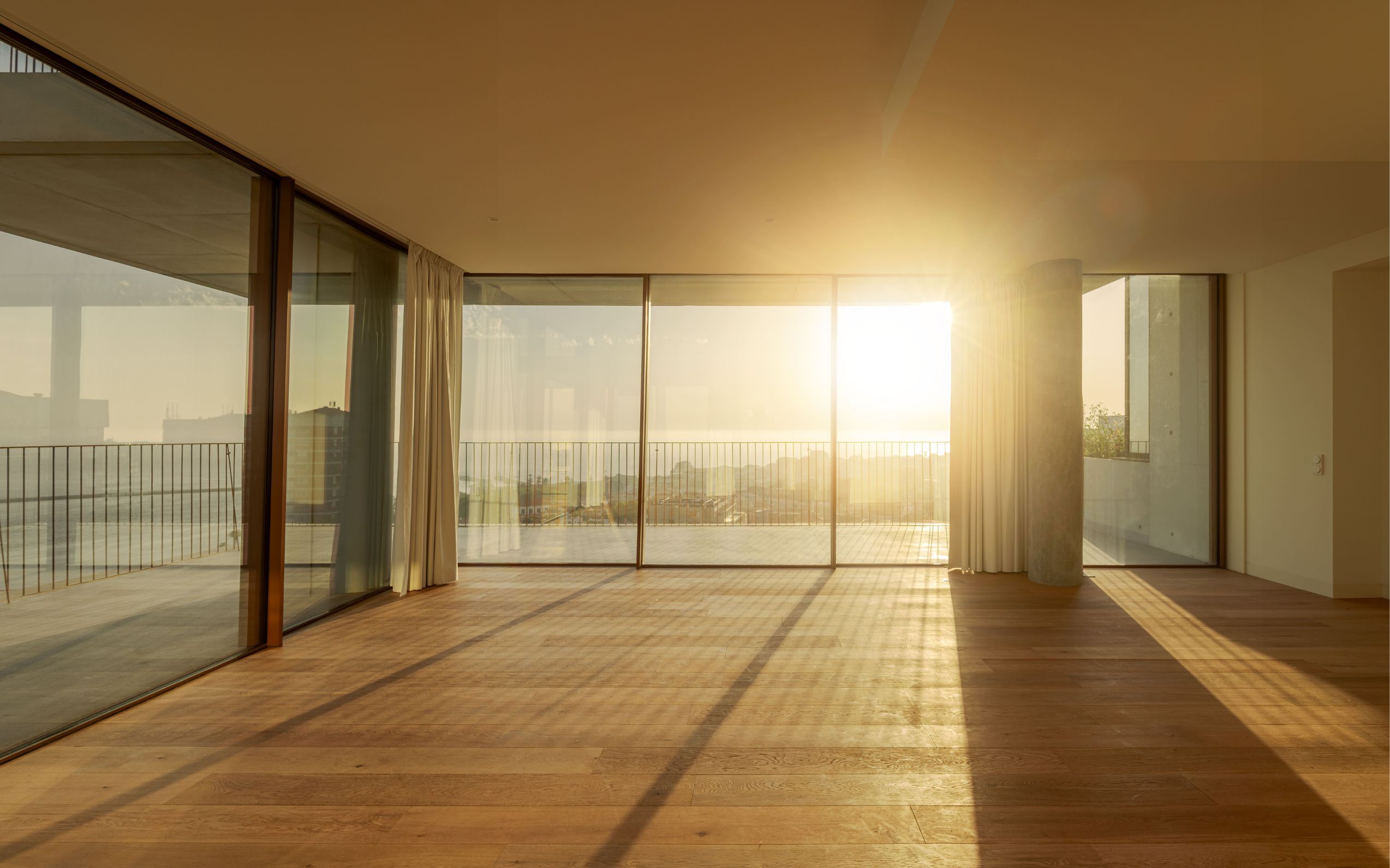
miramar tower | ooda | © FERNANDO GUERRA
The Interdependence of Design Pillars
Scale, proportion, and light function as an integrated system.
An oversized opening without proportional balance can feel aggressive. Perfect proportions without adequate daylight can feel inert. Abundant light without human scale can feel impersonal.
Quality emerges when these elements are coordinated through design and engineering.
In high-end residential and architectural projects, success is measured by the performance of space and emotional resonance: comfort, legibility, continuity, and longevity. Minimalism in this world is not about reduction; it’s about doing only what you need to do.


