
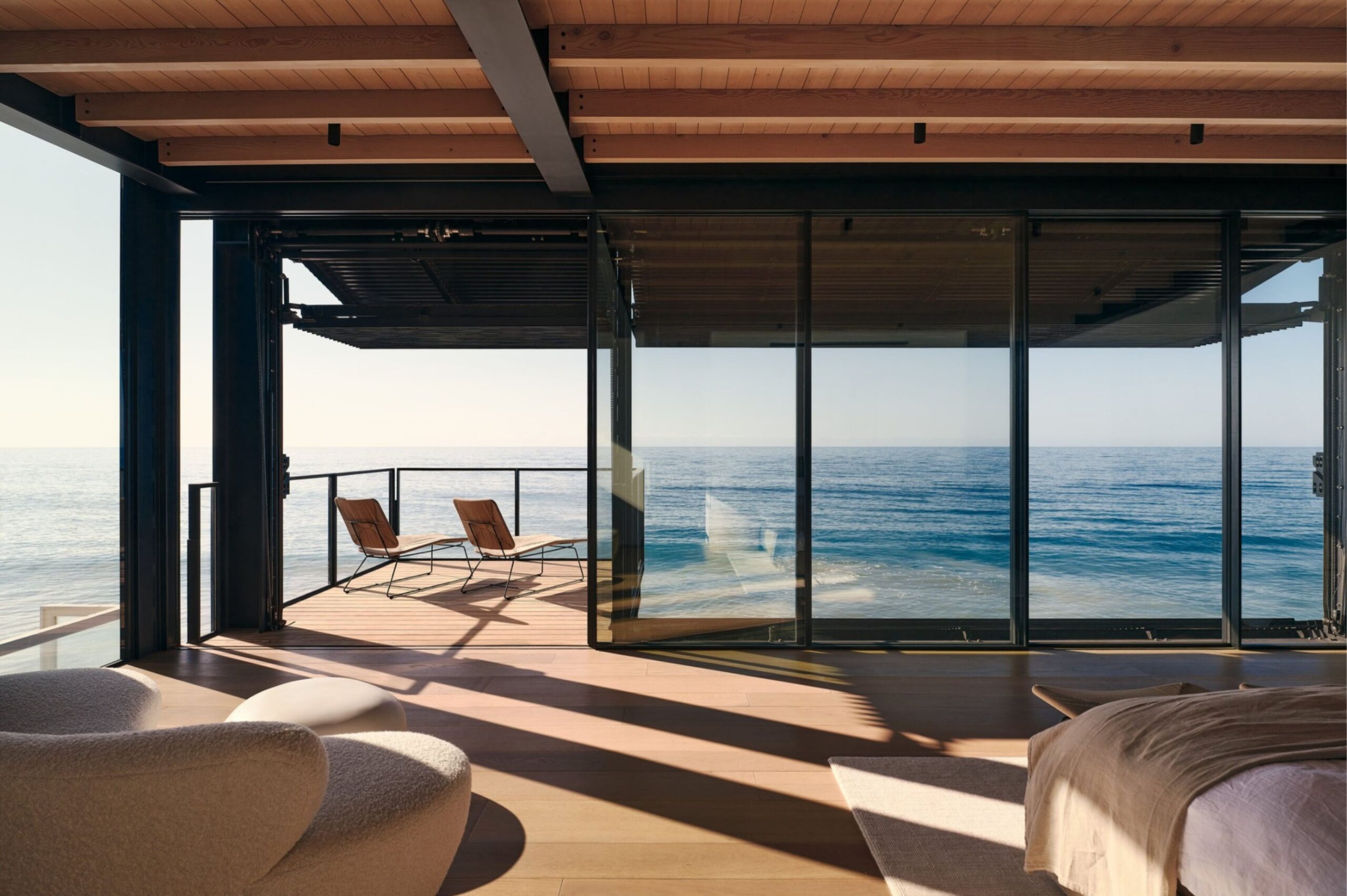
For decades, luxury was defined by first-class flights, five-star resorts, and private members’ clubs. It was all about the privilege of going somewhere else.
Today, however, that definition has changed. The new luxury is staying home.
In a world that moves faster every day, true luxury is having a space that allows you to slow down, a place designed for light, silence, comfort, and meaning. It’s a home that feels like a private world where architecture replaces the need for escape.
Home as the Ultimate Luxury Experience
Luxury homes have evolved beyond simply being expansive residences filled with premium materials. They are now thoughtfully designed environments that enhance daily life.
Today’s high-end homeowners are seeking better experiences. This includes better light, better views, better air quality, and a stronger connection between indoor and outdoor spaces.
A luxury home is now evaluated based on how it makes you feel at 7 a.m. with your first cup of coffee or at dusk when the horizon glows in golden hues. It’s about how natural light flows through space, the tranquility that envelops you, and how glass walls can fade away, seamlessly integrating architecture with the surrounding landscape.
This is what we call experiential luxury, and it begins at home.
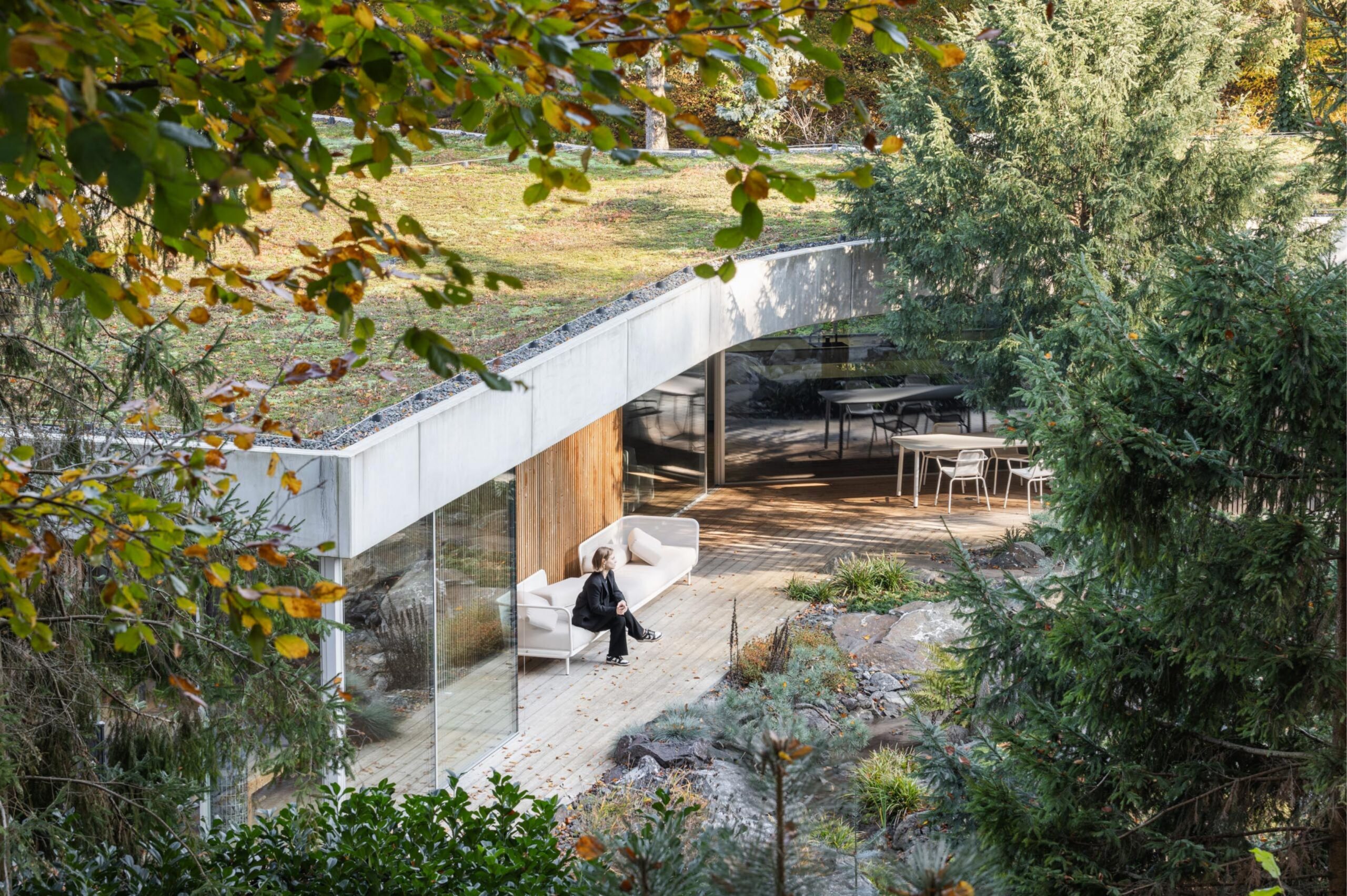
Banánka House | Pauliny Hovorka Architekti | © Matej Hakár
Privacy is the new status symbol
In the past, luxury was all about visibility. Today, it’s about privacy.
People increasingly value the ability to disconnect, control their environment, and choose who and what enters their space. As a result, privacy has become one of the most sought-after assets in high-end real estate. Features like gated communities, secluded landscapes, and expansive glass windows that face nature instead of neighbors have moved from mere trends to essential expectations.
However, privacy does not mean confinement. With minimalist architecture and advanced window systems, luxury homes can remain open to the world while ensuring discretion. Floor-to-ceiling glass invites nature inside without sacrificing intimacy. Technology is seamlessly integrated into the design, and security is unobtrusive.
Architecture that supports well-being
Wellness is no longer a bonus; it is foundational.
Every architectural decision, from biophilic design to thermal performance, impacts how we live and feel. Today, luxury is deeply connected to our physical and emotional well-being.
Expansive glazing systems maximize daylight exposure, supporting our natural circadian rhythms. Seamless transitions between indoor and outdoor spaces encourage movement and foster a connection to nature. High-performance materials ensure thermal comfort throughout the seasons.
Minimal windows are essential tools for enhancing well-being. By reducing visual barriers and framing the landscape with precision, the architecture becomes calmer, lighter, and more intentional.
The rise of the home as a personal resort
The pandemic accelerated an ongoing shift: homes are becoming their own destinations. Outdoor kitchens, private spas, and home offices with panoramic views. Indoor-outdoor living areas rivaling boutique hotels.
What truly transforms a house into a personal resort lies in design coherence. When architecture, engineering, and innovation work together, the home becomes immersive. Sliding glass walls that vanish. Pivot doors that redefine scale. Corners without frames. Glass surfaces that reflect the sky like water.
These elements are experiences. And in modern luxury living, experiences are the true currency.
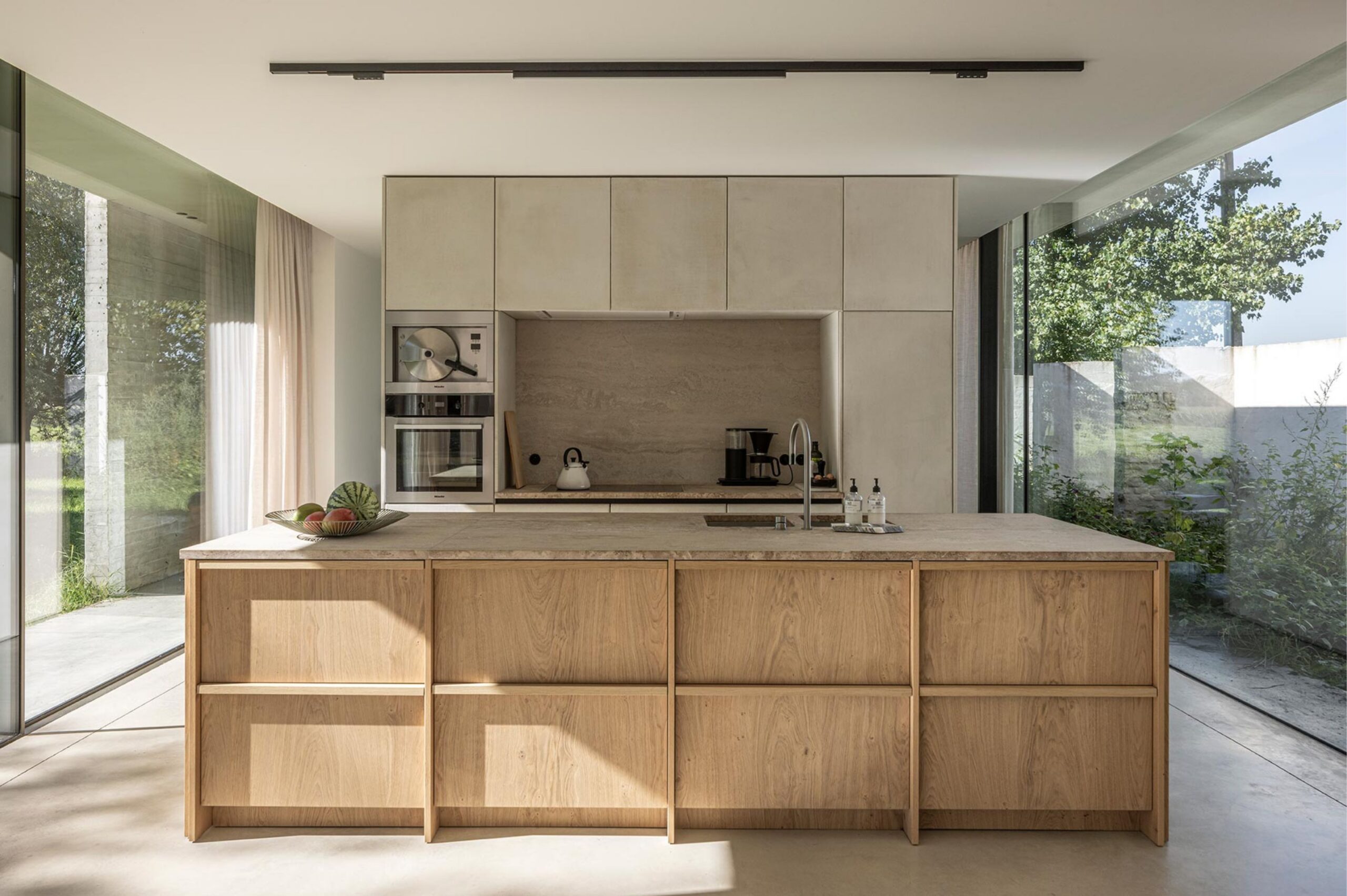
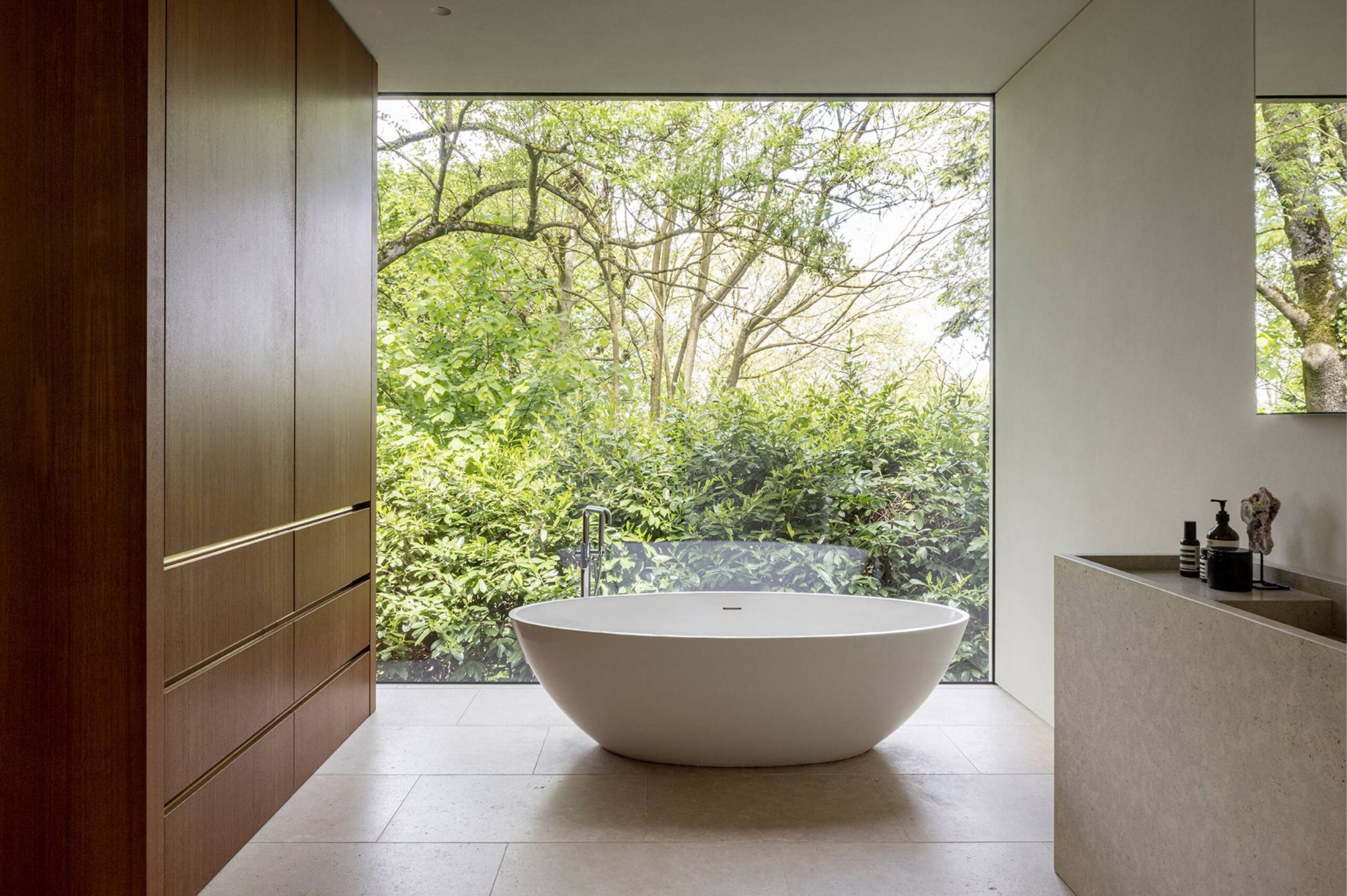
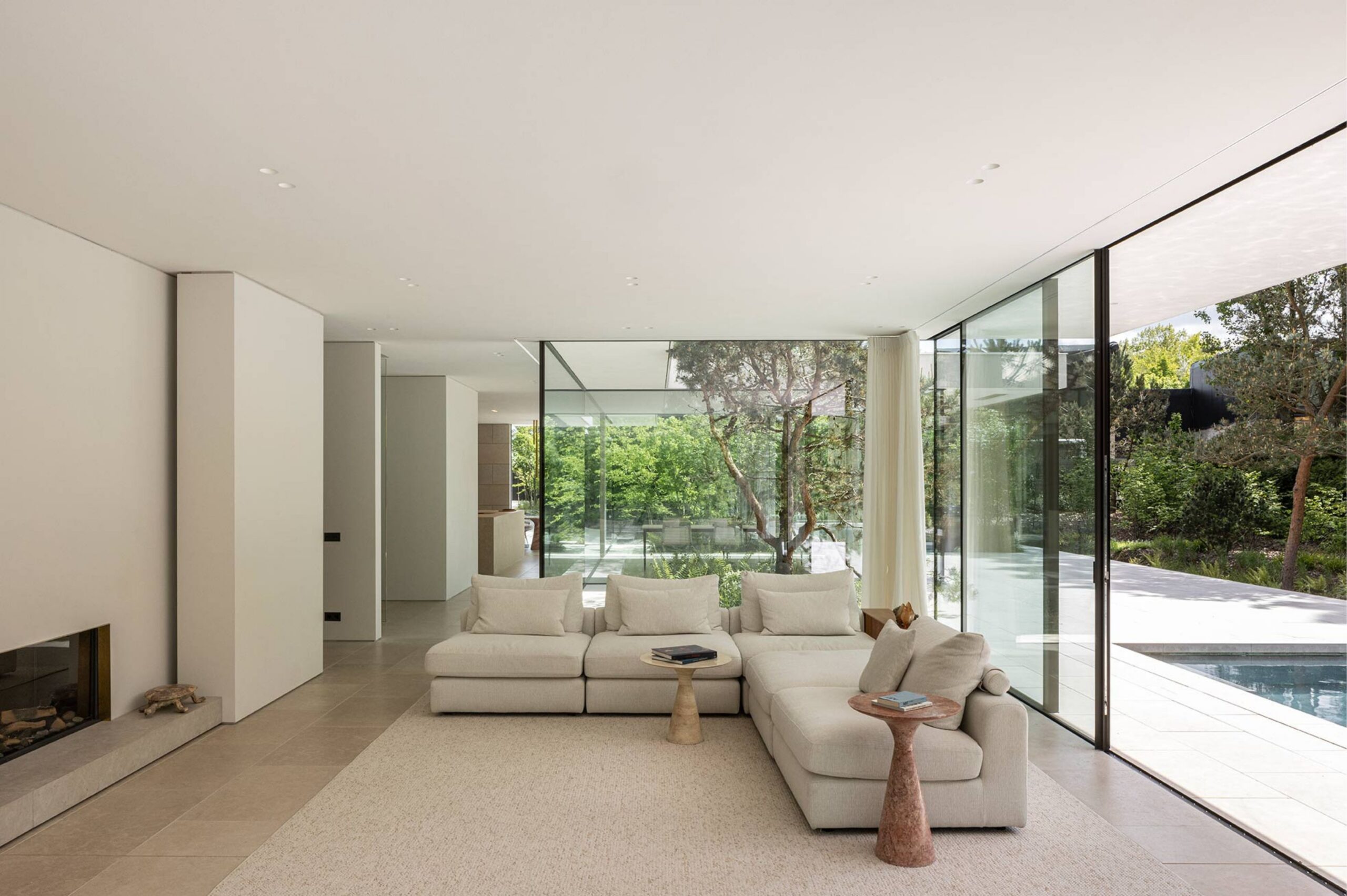
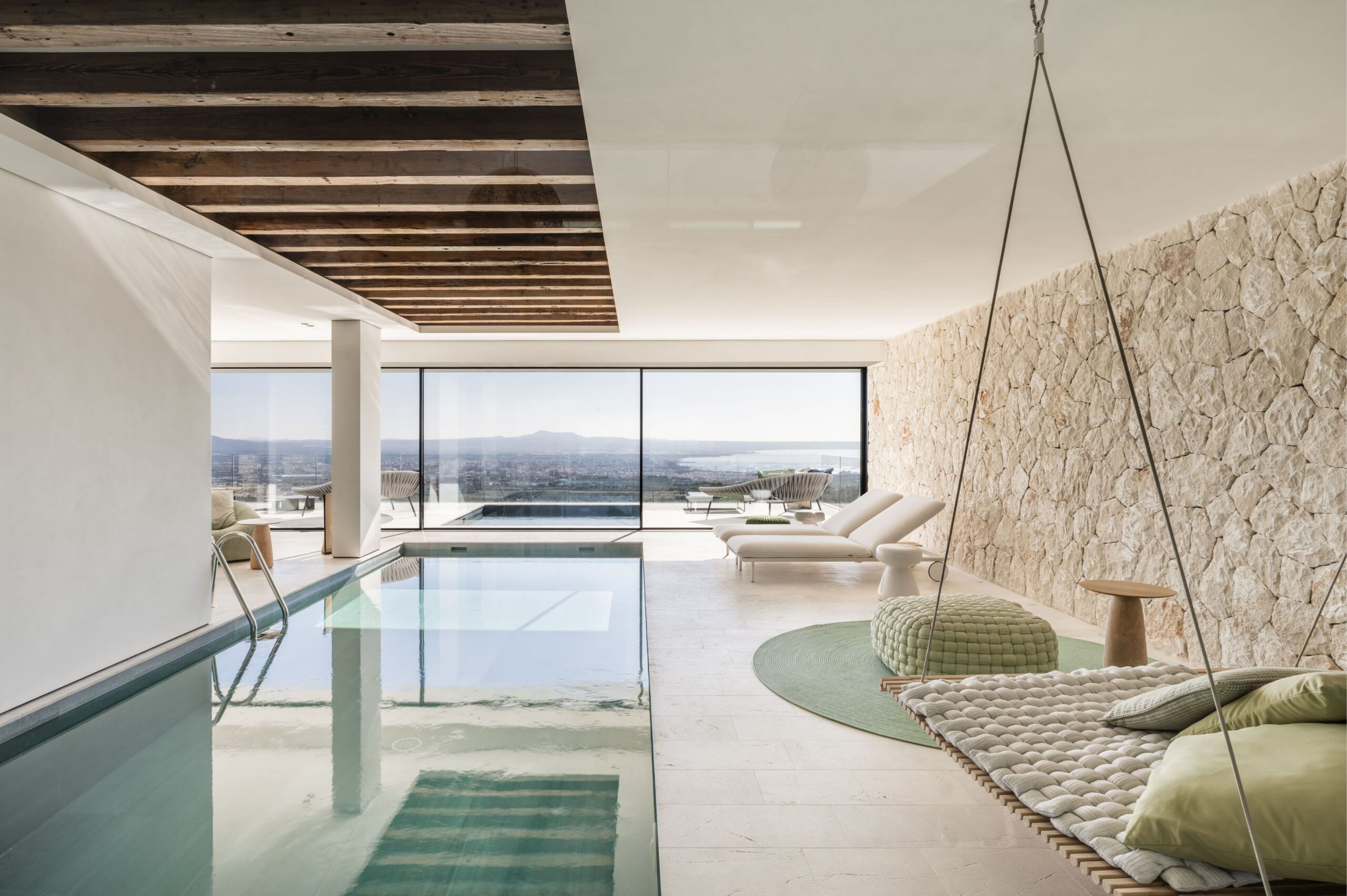
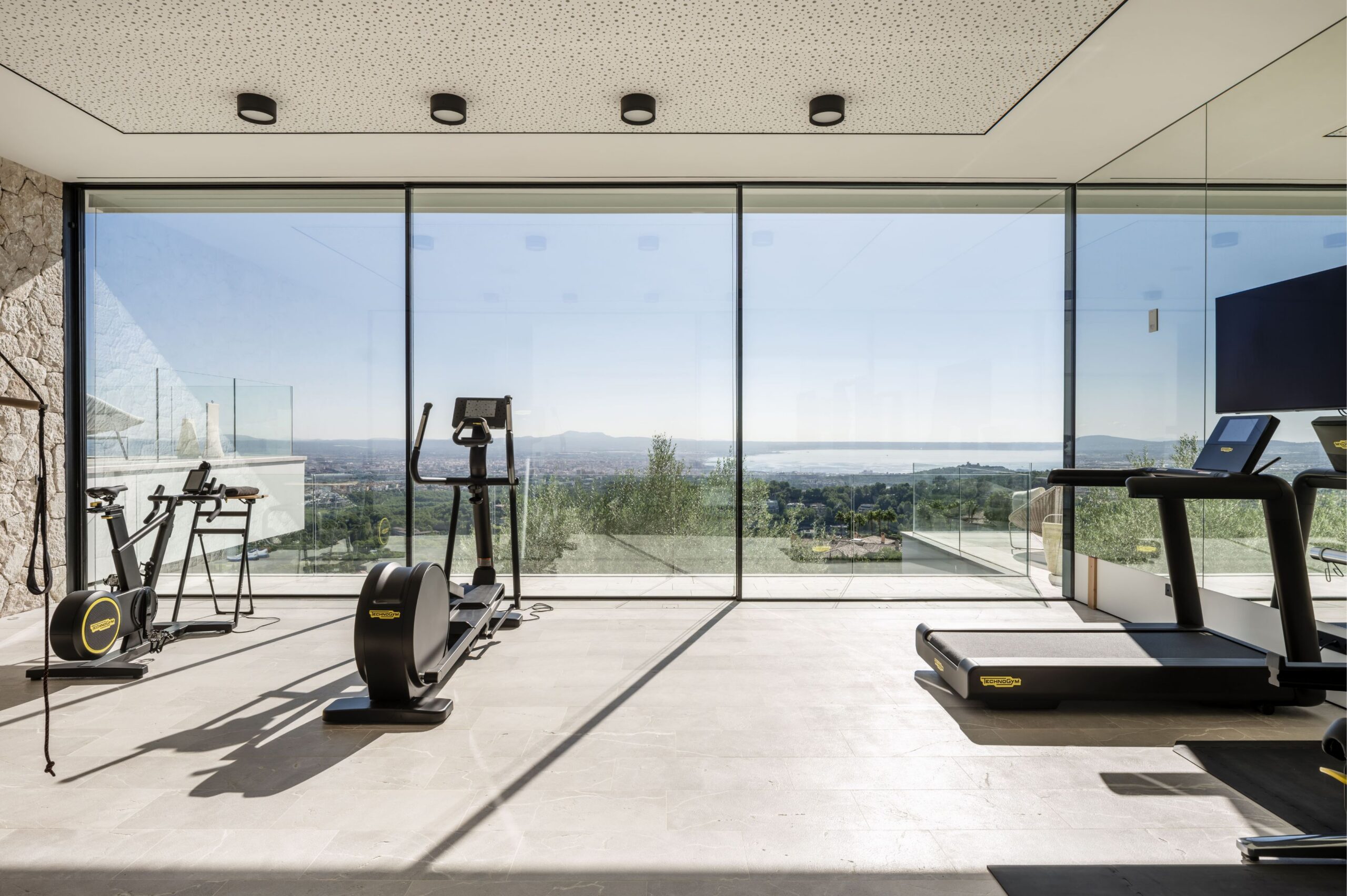
1- Villa P in Nazareth | Steven Vandenborre | © Tim Van de Velde ; 2- 3 Villa P in Kortrijk | Steven Vandenborre | © Tim Van de Velde ; 4-5- Casa AL08 | Estudio Cano | © Tomeu Canyellas
1. Heydar Aliyev Center – Zaha Hadid
1. Heydar Aliyev Center – Zaha Hadid
Sustainability as a luxury standard
Today’s discerning homeowners recognize that sustainability and luxury are now aligned.
Features such as energy-efficient glazing, durable high-performance materials, and intelligent engineering work together to reduce long-term environmental impact. Responsible design is a commitment to longevity.
The modern luxury home is built to endure, not just structurally but conceptually as well. It is designed to be timeless and crafted for generations.
In this context, quality emerges as the ultimate indulgence.
The emotional value of staying in
There is a quiet shift happening. Instead of asking, “Where should we travel next?” many people are now asking, “How can we make home even better?”
The dining room transforms into a setting for unforgettable evenings. The terrace offers a front-row view of the sunset. The living room becomes a gallery of light and shadow.
When architecture is thoughtfully designed, there is less need to escape, because you are already exactly where you want to be.
Staying home is now a conscious investment in comfort, beauty, and permanence.
Designing the new luxury home
Designing this new definition of luxury means approaching each project with precision. This process involves:
- Seamless integration between architecture and landscape
- Minimalist window systems that blur the boundaries between indoors and outdoors
- Engineering excellence that is unobtrusively integrated into the design
- Performance that ensures comfort throughout the year
- Craftsmanship that endures over time
We see every project as an opportunity to redefine the concept of home. With our minimal frames, expansive glass, and commitment to performance, we assist architects in creating spaces where the interior and exterior engage in meaningful dialogue.
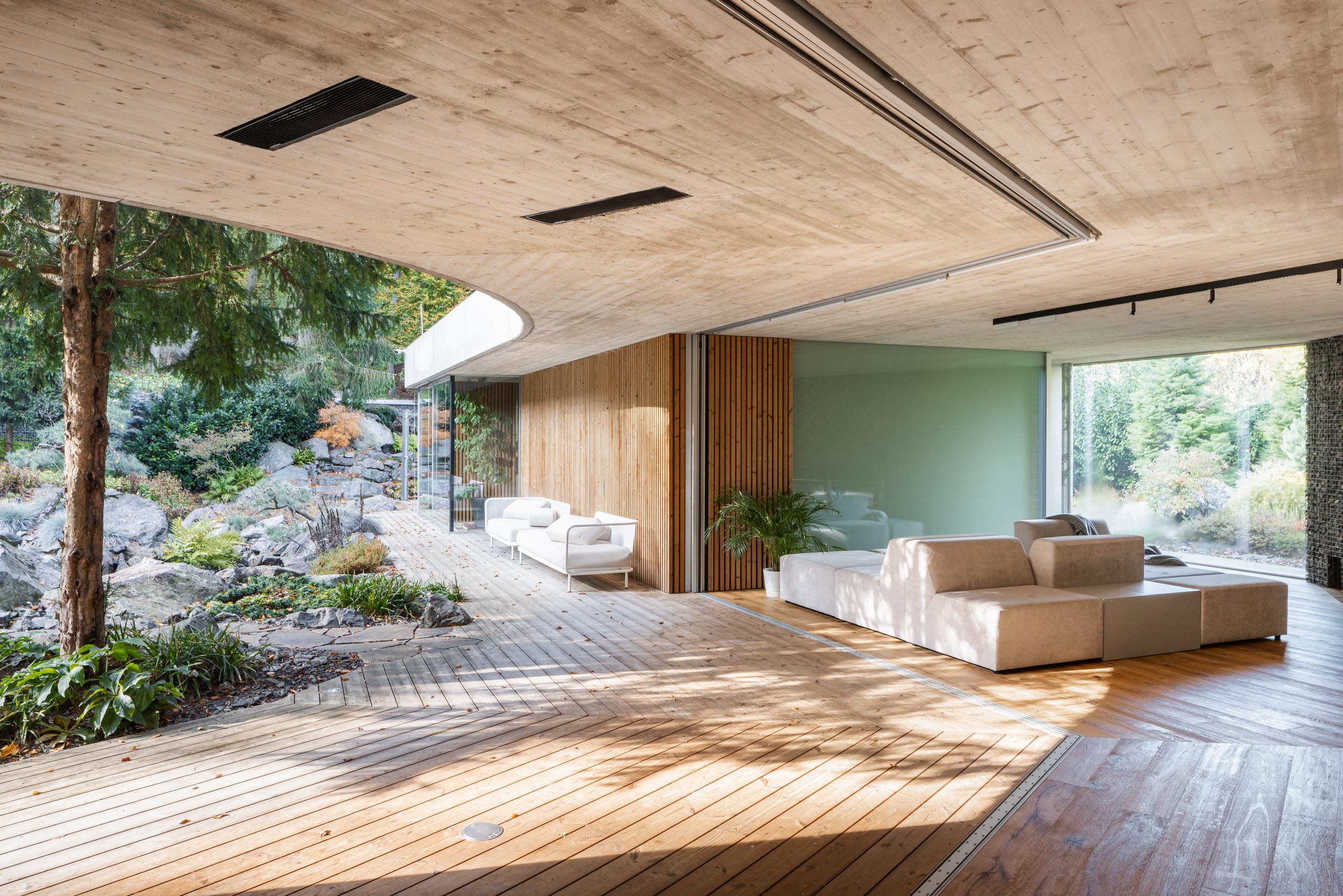
Banánka House | Pauliny Hovorka Architekti | © Matej Hakár
The future of luxury living
The future of luxury is about being quieter, more intentional, and more personal.
It involves waking up to uninterrupted views and feeling the warmth of sunlight across the floor. It’s about sliding open a wall of glass and allowing the breeze to flow freely through your home.
The new luxury is staying home—not because the world has shrunk, but because your world has expanded.
And when architecture is designed at its highest level, there is nowhere else you would rather be.


