
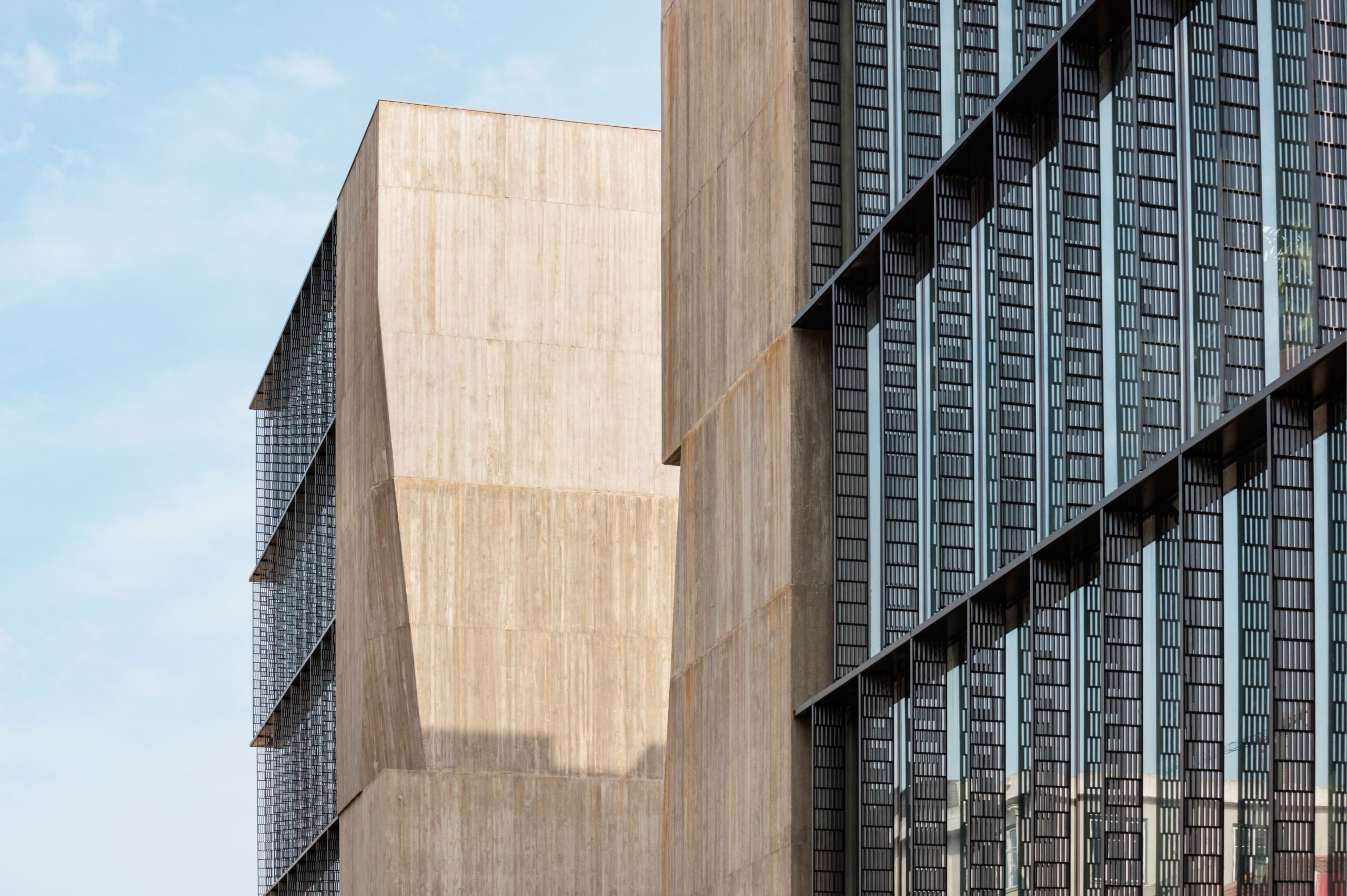
Luxury architecture isn’t about price tags or grand gestures alone; it’s about presence. The kind of presence that stays in memory long after the visitor leaves. This presence comes not only from the design but also through a thoughtful choreography of materials and time that engages the body as deeply as the eye.
1. Material as Memory
In luxury design, materials are tactile narratives. A marble surface doesn’t just reflect light; it recalls centuries of craft. A timber wall doesn’t just provide warmth; it carries the subtle evidence of hands that worked it. When a person enters a space, their first architectural encounter is through sensation: the cool touch of stone, the whisper of wood grain under a palm, the shifting temperature of metal in the light.
This sensory engagement anchors spaces in memory. In high-end architecture, materials become sites of heritage that express lineage and authenticity. The selection of stones quarried near the site, woods with regional character, and surfaces rooted in local craft transforms a building into a repository of collective memory.
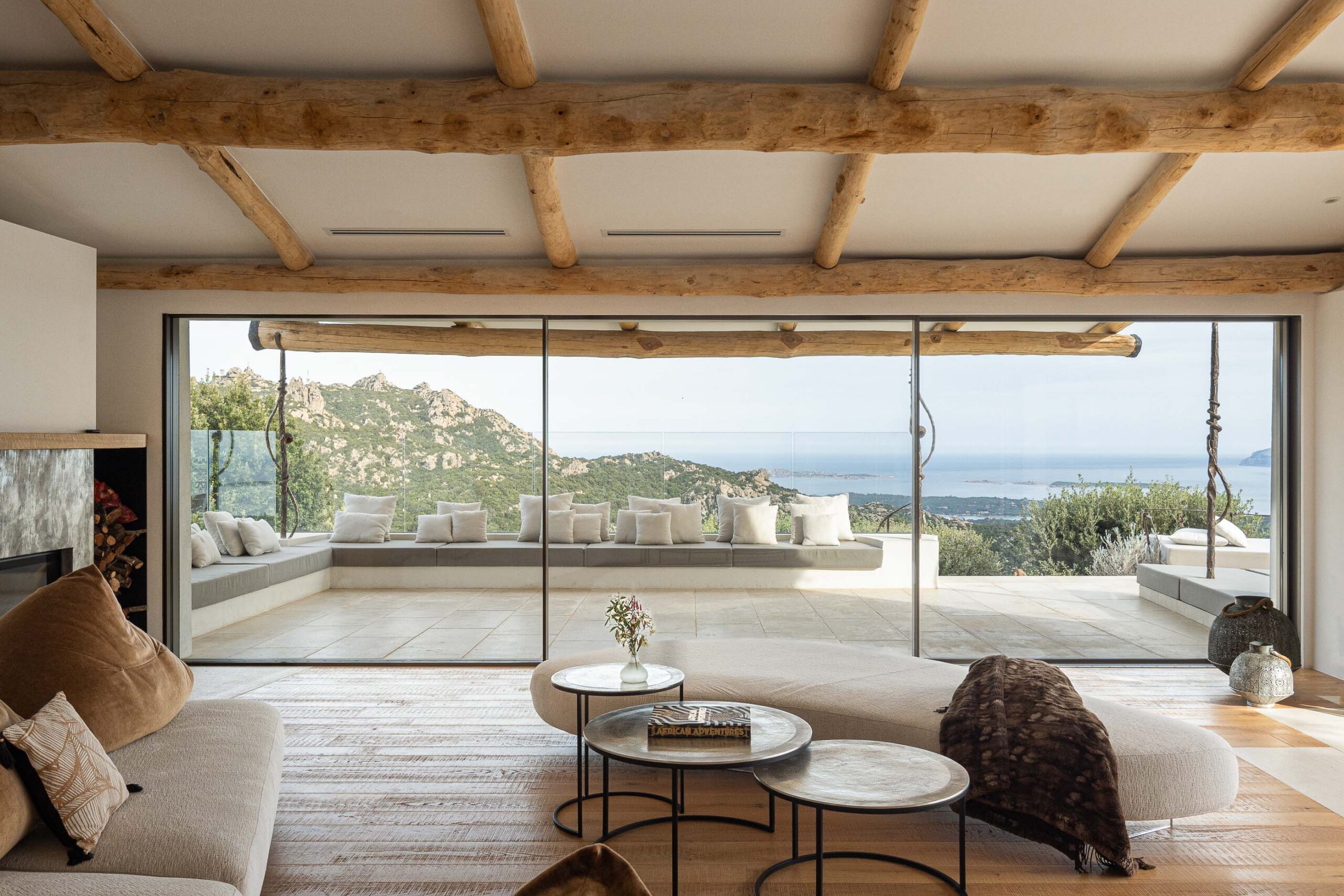
Villa III | © Francisco Nogueira
2. Ritual & Repetition
Luxury architecture is built over time, literally and conceptually. Rituals in construction and habitation create rhythms that have meaning. Think of the slow and iterative layering of brick or the disciplined repetition of crafted timber slats: these aren’t just patterns, they are temporal signatures.
Repetition has two powerful effects:
- In construction: It celebrates labor as a core element of value. Skilled craftspeople repeating gestures over days and weeks embed narrative into surface and structure
- In inhabitation: It transforms how occupants live through the architecture, waking each morning into spaces that reinforce comfort, ritual, and continuity.
Instead of focusing on speed or uniformity, luxury spaces value longevity. Materials become more meaningful not through novelty, but through being revisited and touched over the years.
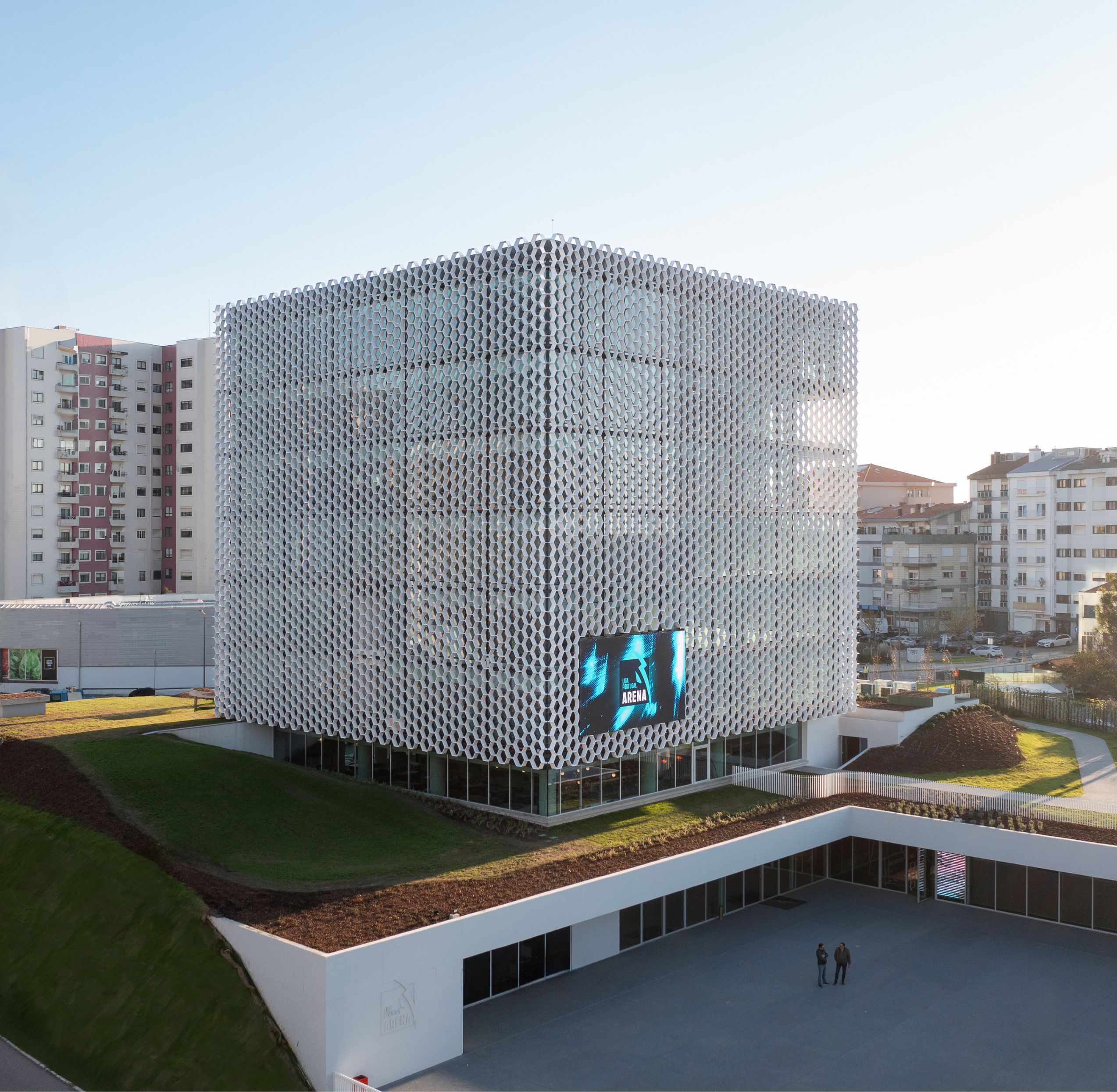
Arena Liga Portugal | OODA | © Pedro Cardigo
1. Heydar Aliyev Center – Zaha Hadid
1. Heydar Aliyev Center – Zaha Hadid
3. Emotional Weight
In luxury buildings, it’s not just the materials that serve a purpose; they actually make you feel something. That’s because they interact with light, sound, and your touch in ways that stir emotions.
A polished bronze bar at an entrance suggests opulence and invites you in because it feels warm. Then, a hand-laid stone staircase in a house offers not just structural integrity but also a sense of gravitas and tranquility.
4. Locality & Authenticity
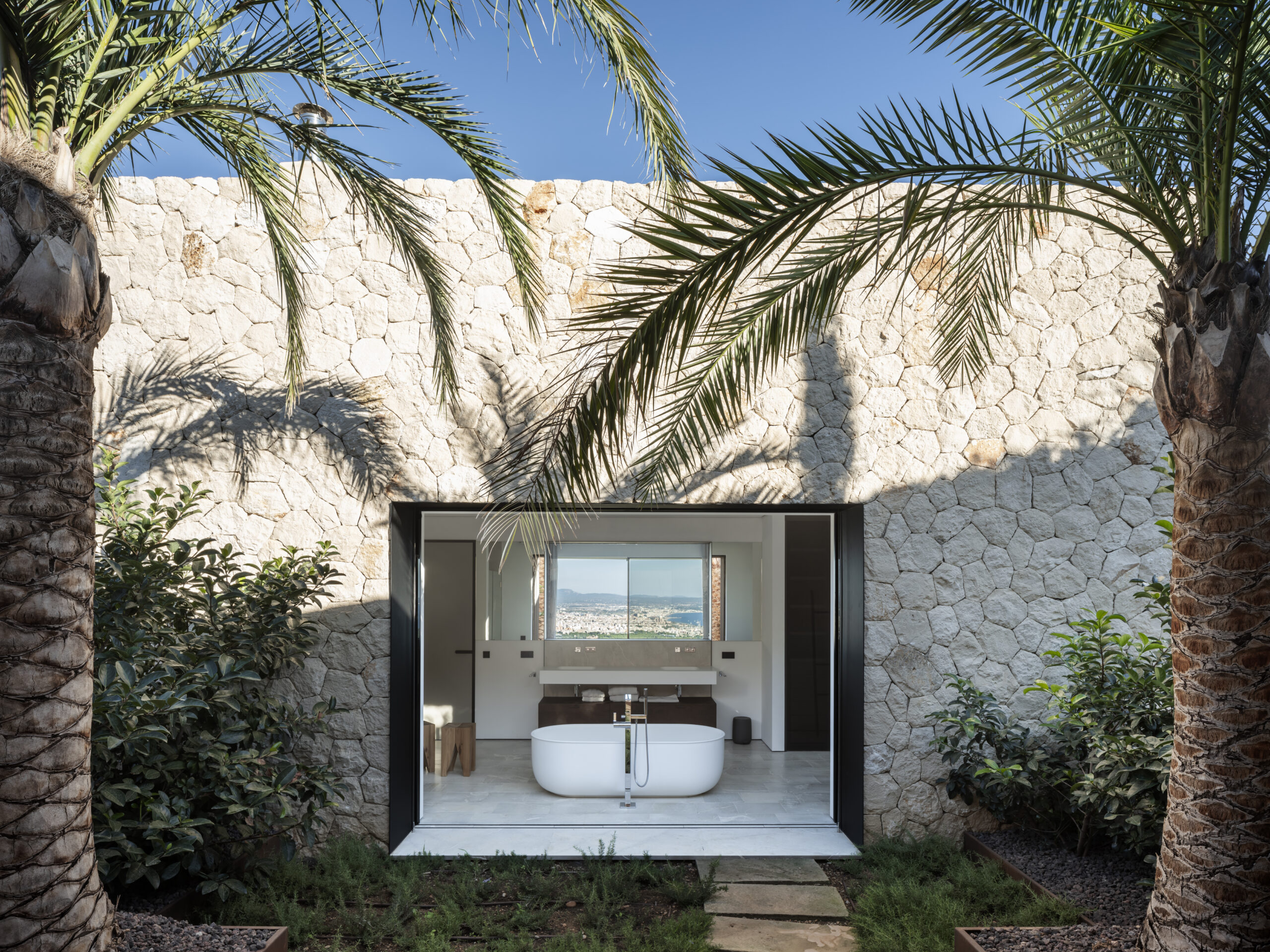
These days, with all the prefab and global supply chains, sourcing materials locally is what luxury is all about. Using local stone, working with local craftsmen, or reusing old timbers ties architecture to the place and community.
When materials tell a story about the landscape, the people who made them, and the culture, then architecture does too. An old beam from a barn and a terrazzo floor made from local bits hold the memory of their surroundings.
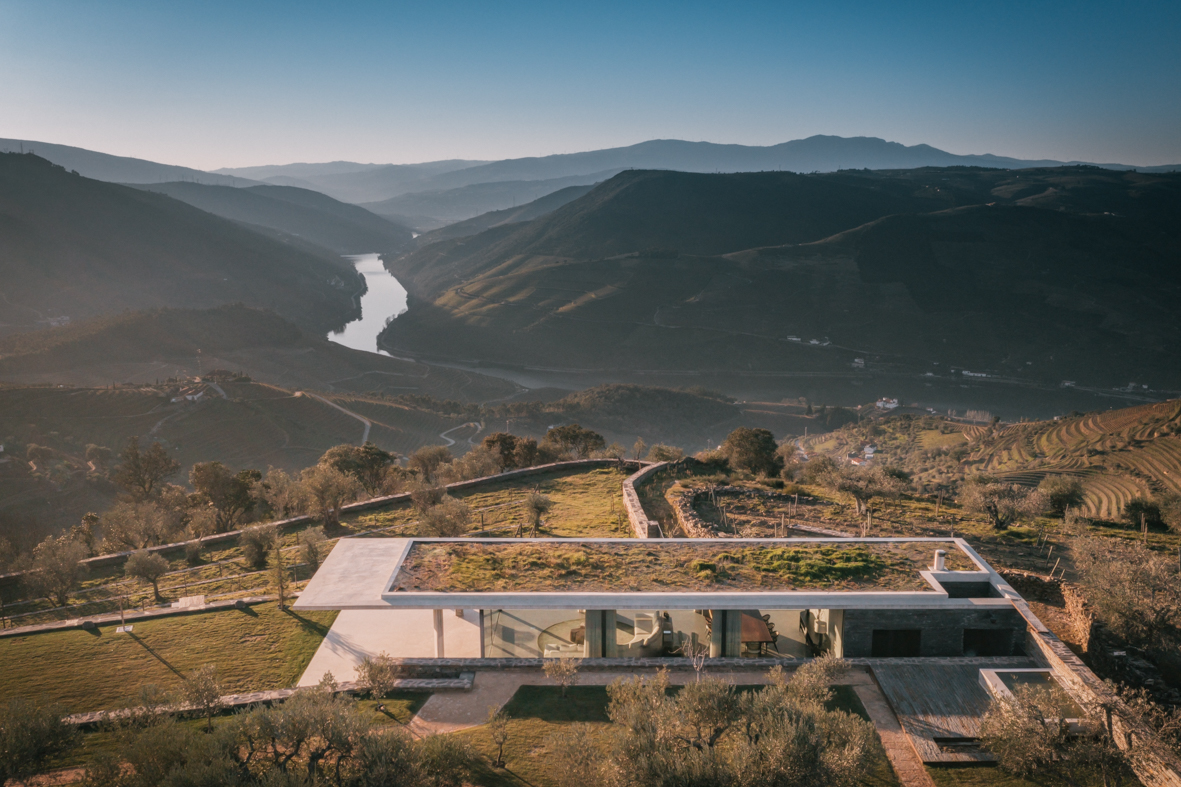
Casa AL08 | Estudio Cano Arquitectura | © Tomeu Canyellas
5. Craft & Time
Luxury architecture focuses on creating designs that people will look back on with nostalgia. It’s the materials that age well—that get a little worn, soft with use, and respond to the seasons—that help to turn a building into a living history of the people who lived there.
This is actually in line with some architectural theories that say that the choice of material is about the interaction between the human body, the environment, and time, not just something that you choose once and forget about. In practice, this means:
- Designing with materials that respond elegantly to wear.
- Embracing the kind of craftsmanship that takes time and celebrates small variations and the human touch.
- Prioritizing long-term engagement over ephemeral fashion.
Luxury architecture, infused with rituals, repetition, and material memory, resists the commodification of space. It becomes a work of art that’s attached to the people who lived there. And that’s when space stops being something you can buy and sell—it becomes a part of you.


