
Choosing High-Performance Glazing for Luxury Residential Projects
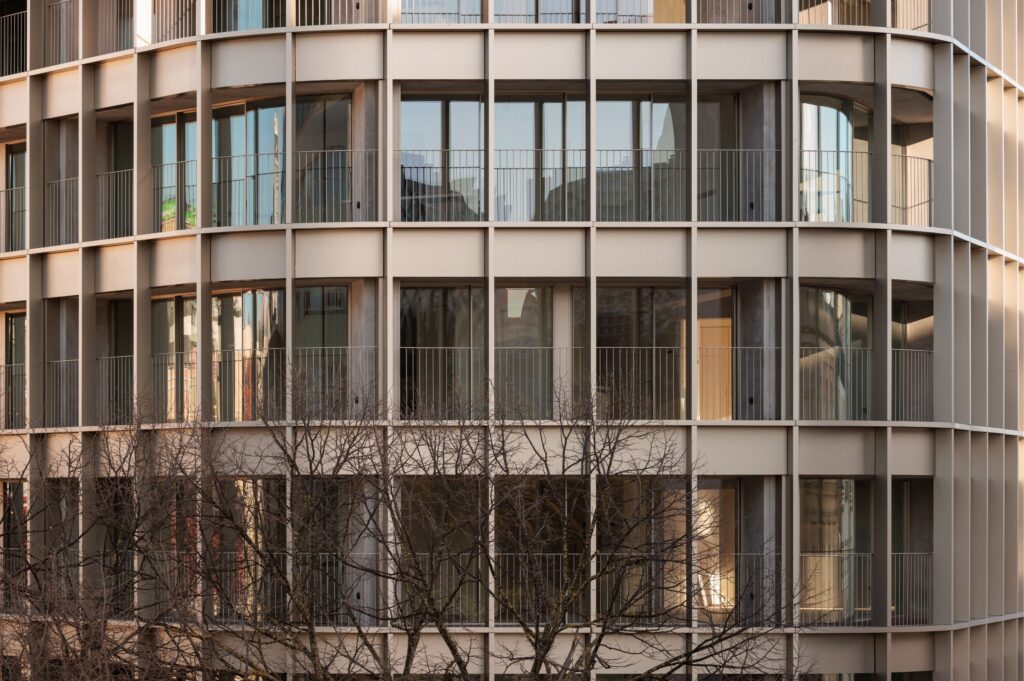
Glass has become one of the most technical materials in residential architecture. What once was a simple opening in a wall now regulates heat, filters sound, manages daylight, and carries structural loads across spans unthinkable a generation ago. For architects and homeowners building premium residences, choosing architectural glass is an early performance decision with consequences […]
MEXTRÓPOLI 2026: Mexico City’s Architecture Festival Returns for Four Days

From September 17–20, Mexico City will host the 13th edition of MEXTRÓPOLI – Festival de Arquitectura y Ciudad, bringing together architects, urbanists, designers, artists, institutions, and citizens to reflect on the city’s future through architecture. OTIIMA is proud to support MEXTRÓPOLI 2026, joining a program that brings together some of the most relevant voices in […]
Structural Glass Façades: Performance, Materials, and Design
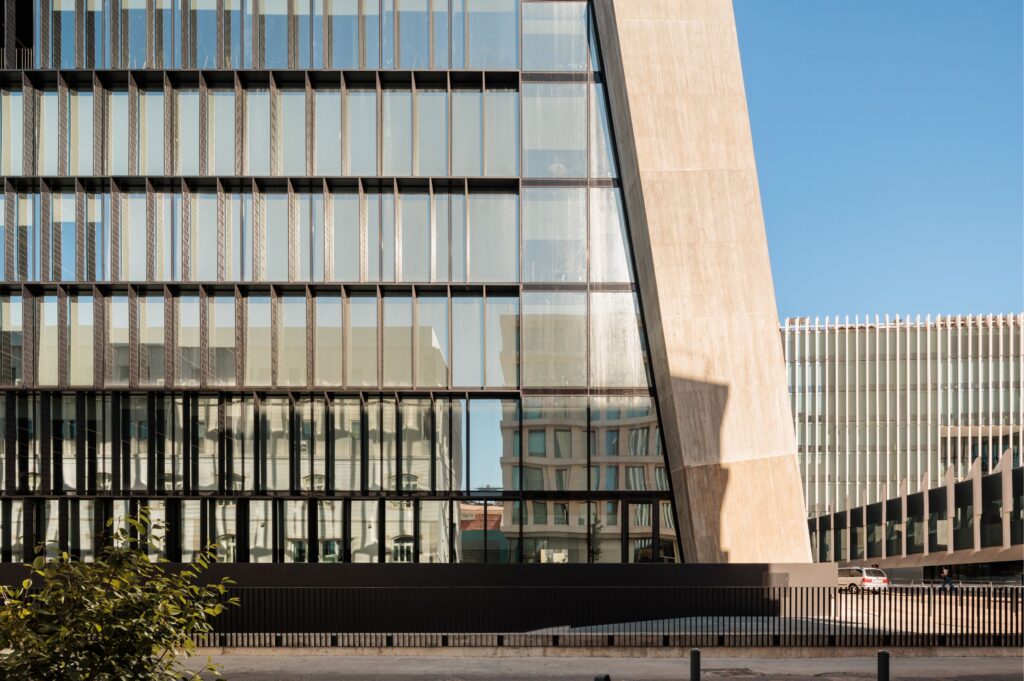
Architectural glass has transformed how we imagine and experience buildings. Once used mainly to introduce daylight, windows and glazed façades have evolved into sophisticated elements that shape thermal comfort, acoustic performance, energy efficiency, safety, and the relationship between interior and exterior spaces. In contemporary architecture, glass can become the opening itself, dissolving boundaries, framing landscapes, […]
Smart Home Technology and the Future of Luxury Homes
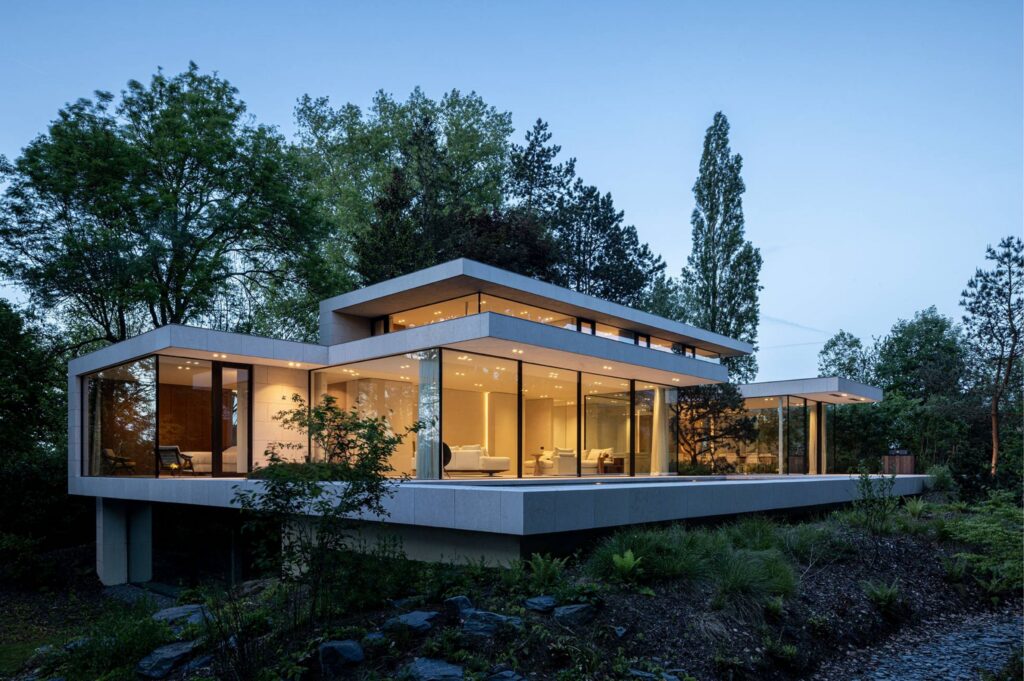
For most of its history, luxury in residential architecture meant marble floors, gold fixtures, and large homes that showed off status. Now, that idea is fading. Today’s homeowners and their architects are redefining luxury as something more subtle and genuine: a home that performs. Comfort that requires no visible mechanism, climate control that happens automatically, […]
Floor-to-Ceiling Glazing in Luxury Homes: Benefits & Challenges
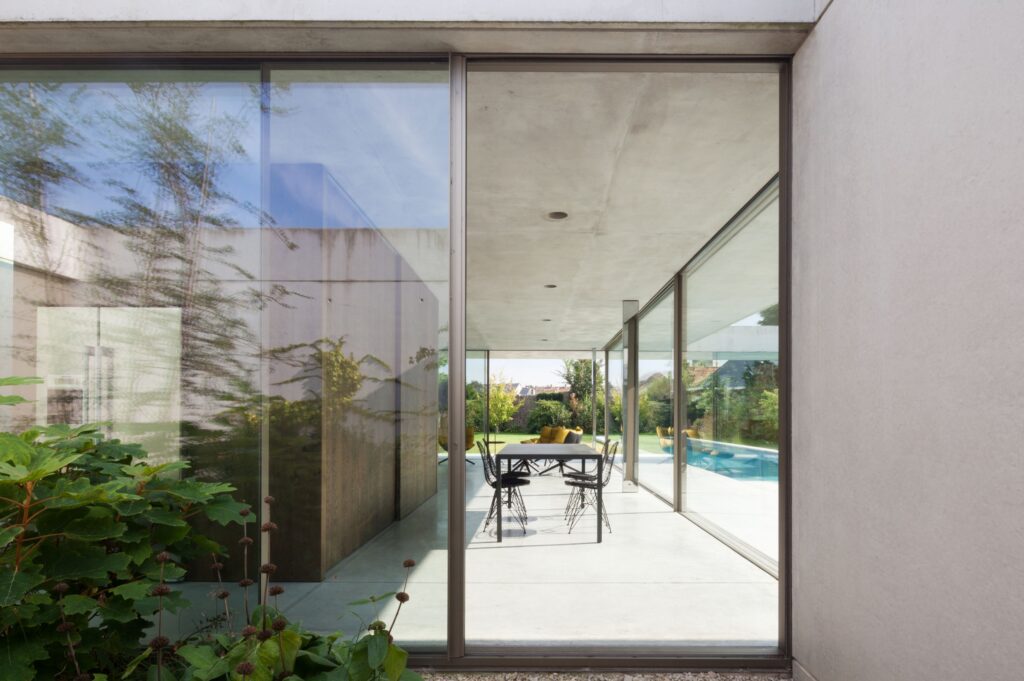
Floor-to-ceiling windows are now a hallmark of modern luxury homes. They have changed how people experience their living spaces by bringing in natural light, offering wide views, and connecting indoor and outdoor areas. Architects are finding new ways to blend indoor and outdoor spaces, and large glass windows have become more than a style choice. […]
OTIIMA at the UIA World Congress of Architects 2026: Architecture for a Planet in Transition

Every three years, the International Union of Architects holds the profession’s largest gathering to ask a single question on a planetary scale. In 2026, that question came to Barcelona under a deceptively simple title: Becoming. Architectures for a Planet in Transition. OTIIMA was proud to be part of the Congress, contributing to the conversation about building […]
Luxury Residential Architecture: The Complete Guide to High-Performance Living
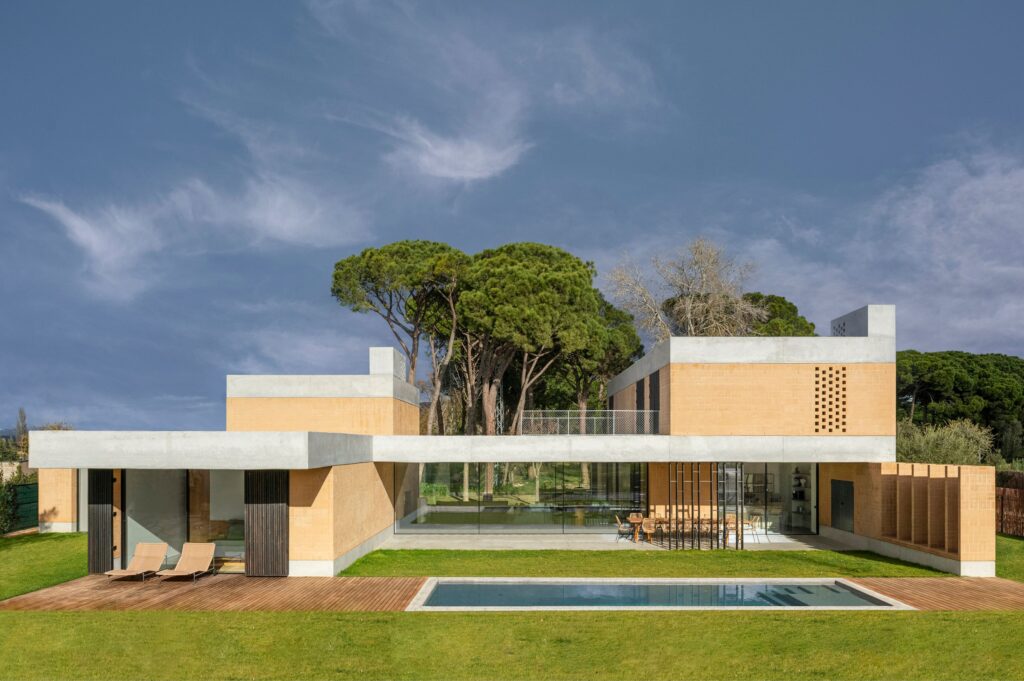
Luxury residential architecture has evolved beyond premium finishes, expansive floor plans, or prestigious locations. Today’s most exceptional houses are defined by something less visible but more valuable: performance. Architects and homeowners increasingly look beyond aesthetics, prioritizing spaces that enhance wellbeing, reduce environmental impact, and create a seamless relationship between architecture and nature. Luxury is no […]
OODA Previews Some Kind, Any Kind at the Bread & Heart Festival
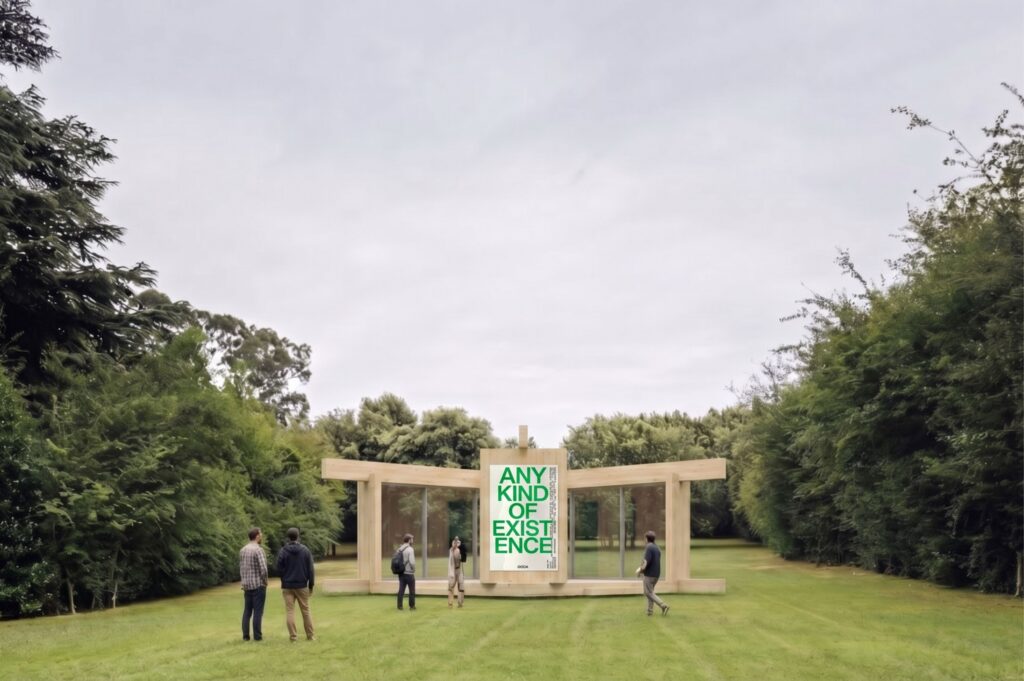
OODA‘s upcoming book, Some Kind of Romance, Any Kind of Existence, makes its world debut at the Bread & Heart Festival in Tirana, and OTIIMA window frames part of the story. What does it look like when an architecture studio decides its next book should not read like an architecture book? That’s the question […]
Architecture that adapts to the landscape: Building on steep sites
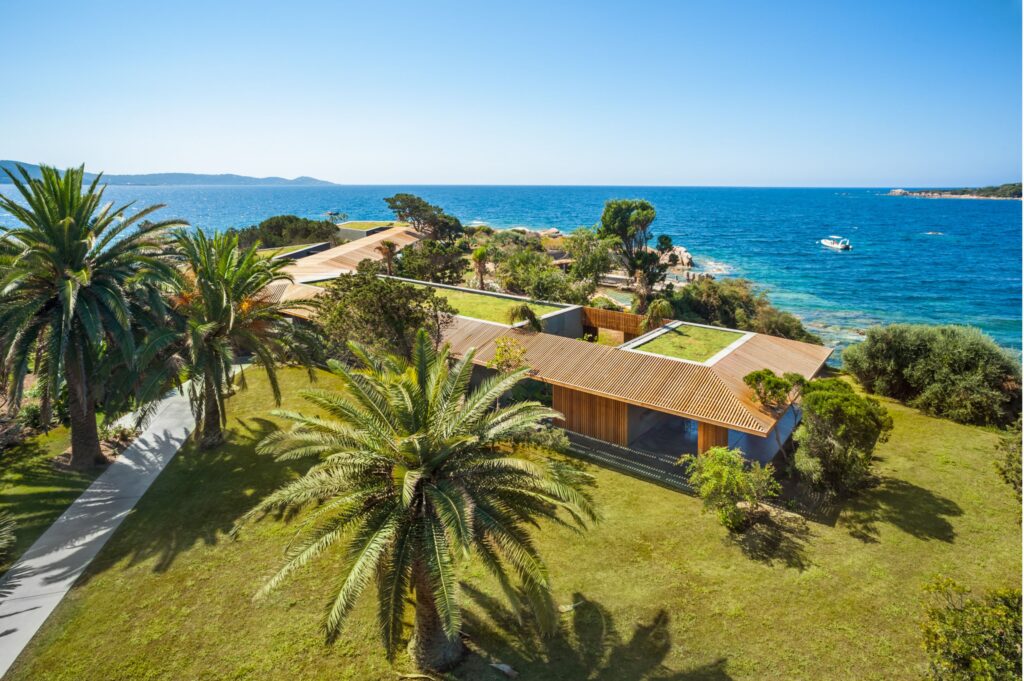
Steep terrain resists control. It changes how we think about building, moving the focus from taking charge to working with the land. Architects face a fundamental decision: change the land for the building or let the building fit the land. More often, architects today choose to let buildings adapt to difficult sites. Using gentle methods […]
Back to Nature | Kengo Kuma in Lisbon with OTIIMA
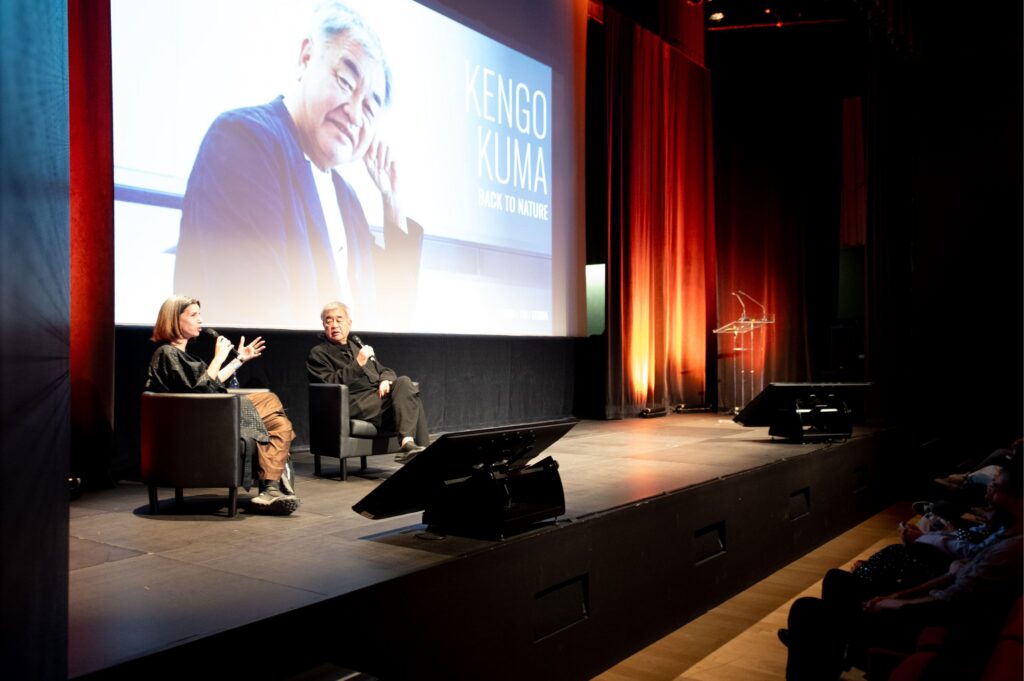
On the evening of May 2nd, one of the most influential architects of our time took the stage at Museu do Oriente to speak about the relationship between architecture and the natural world. OTIIMA was proud to be part of it. Setting the scene There are few occasions in which a city becomes the right […]


