
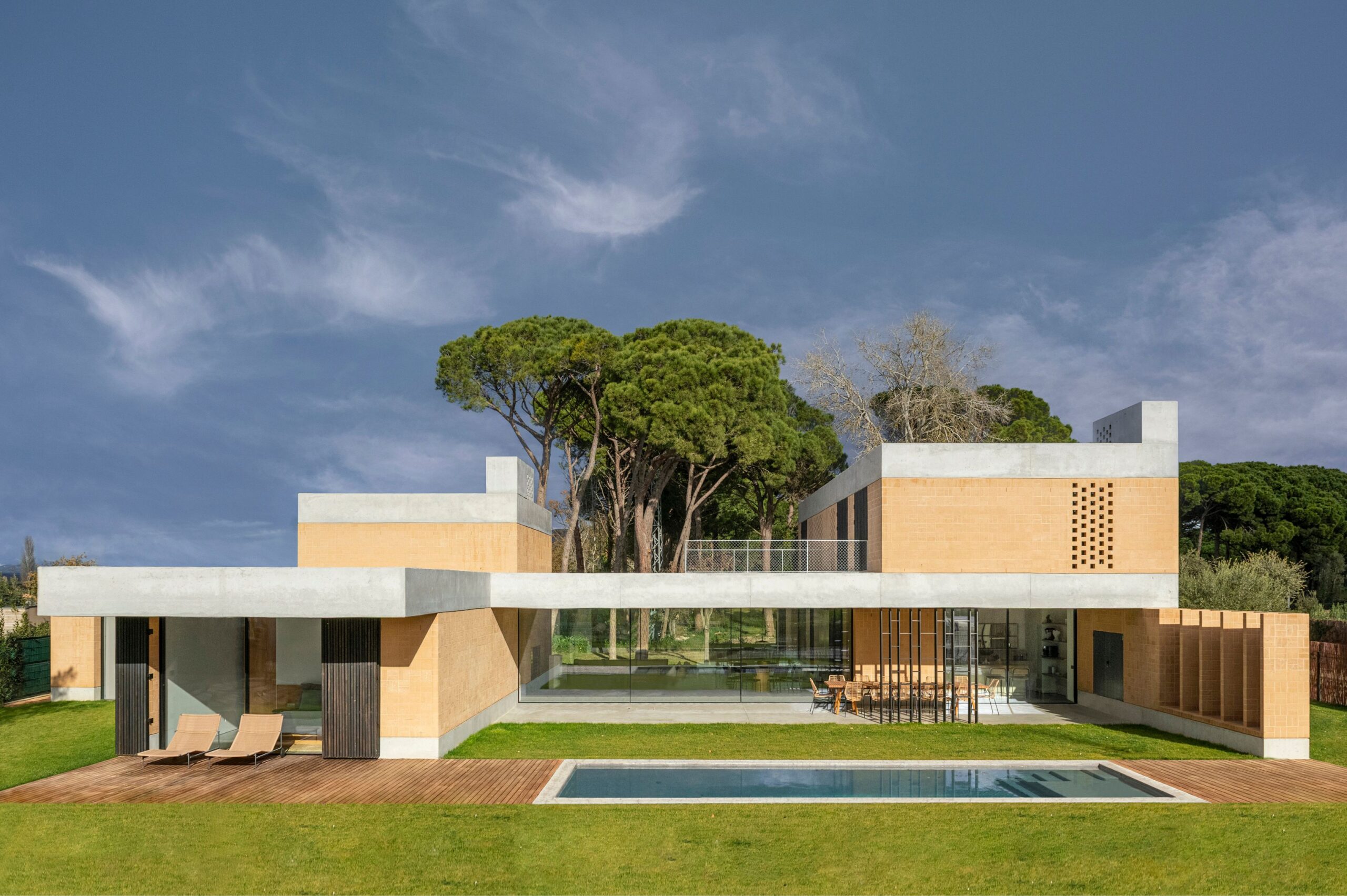
Luxury residential architecture has evolved beyond premium finishes, expansive floor plans, or prestigious locations. Today’s most exceptional houses are defined by something less visible but more valuable: performance.
Architects and homeowners increasingly look beyond aesthetics, prioritizing spaces that enhance wellbeing, reduce environmental impact, and create a seamless relationship between architecture and nature. Luxury is no longer measured by excess. It is measured by rigor, comfort, longevity, and the quality of everyday living.
This guide explores the key principles shaping modern luxury residential architecture and explains why high-performance design has become the new benchmark for exceptional residences.
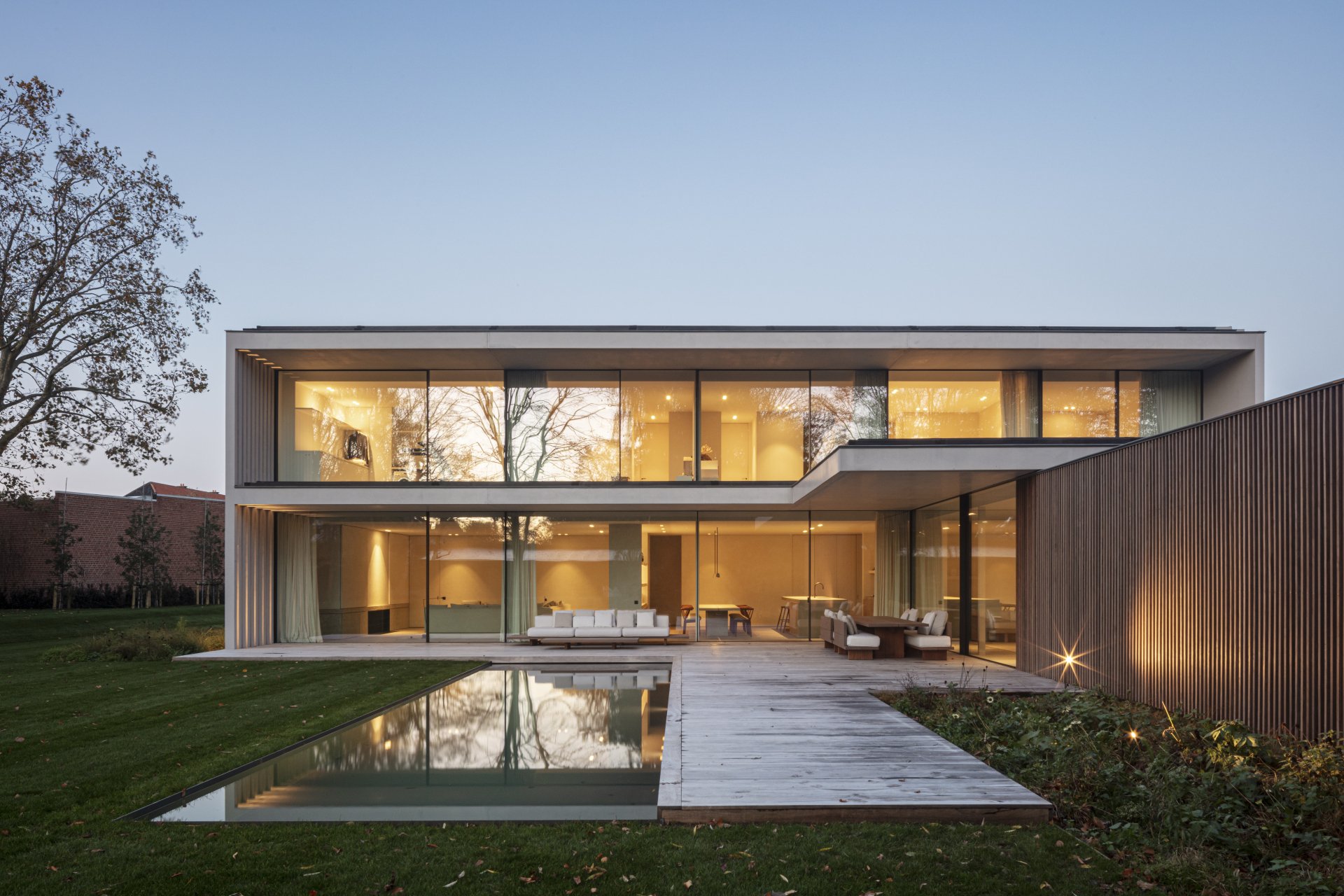
VILLA IN KORTRIJK | GOVAERT & VANHOUTTE ARCHITECTS | © Tim Van De Velde
What Defines a Luxury Home Today?
For decades, luxury houses were associated with size, exclusivity, and lavish finishes. While craftsmanship and premium materials remain fundamental, contemporary luxury is defined more by experience than excess.
Today’s most exceptional residences are designed around their inhabitants. They maximize natural light, create a seamless dialogue with the landscape, and prioritize comfort, efficiency, and longevity. Every architectural decision is intentional, resulting in spaces that are balanced and timeless.
Architects focus on perfecting every detail. Simple shapes, hidden systems, and well-balanced spaces create homes where simplicity shows true sophistication. In modern home design, luxury is less about what stands out and more about what makes life better.
Architecture as a Foundation for Better Living
The quality of a house extends far beyond its appearance. Architecture influences how people feel, move, and experience everyday life, often in ways they never consciously notice.
Natural light regulates circadian rhythms and improves well-being. Thoughtful spatial organization creates intuitive movement throughout the residence. Proper ventilation supports healthier indoor environments, and framed views strengthen the connection between people and nature. Elements like ceiling height, material selection, and acoustic performance build the emotional experience of a space.
When these considerations are integrated from the earliest stages of design, architecture becomes a framework for better living. High-performance houses are designed to support comfort, health, and wellbeing every single day.
Glass Architecture and the Connection to Nature
A defining feature of contemporary luxury homes is the seamless transition between interior and exterior spaces. Rather than separating occupants from their surroundings, architecture increasingly seeks to dissolve that boundary, allowing landscape, daylight, and interior living into a unified experience.
Large glazed openings enable this integration, filling interiors with natural light and framing uninterrupted views of gardens, forests, coastlines, or cityscapes. The benefits extend beyond aesthetics. Daylight and continuous visual contact with nature have been shown to enhance wellbeing, creating spaces that feel open, calming, and connected.
Achieving this transparency requires more than simply enlarging glass surfaces. Each opening must provide structural integrity, thermal efficiency, acoustic insulation, weather resistance, and solar control, all while maintaining a minimalist aesthetic. High-performance glazing systems are essential, delivering expansive glass that performs as well as it looks.
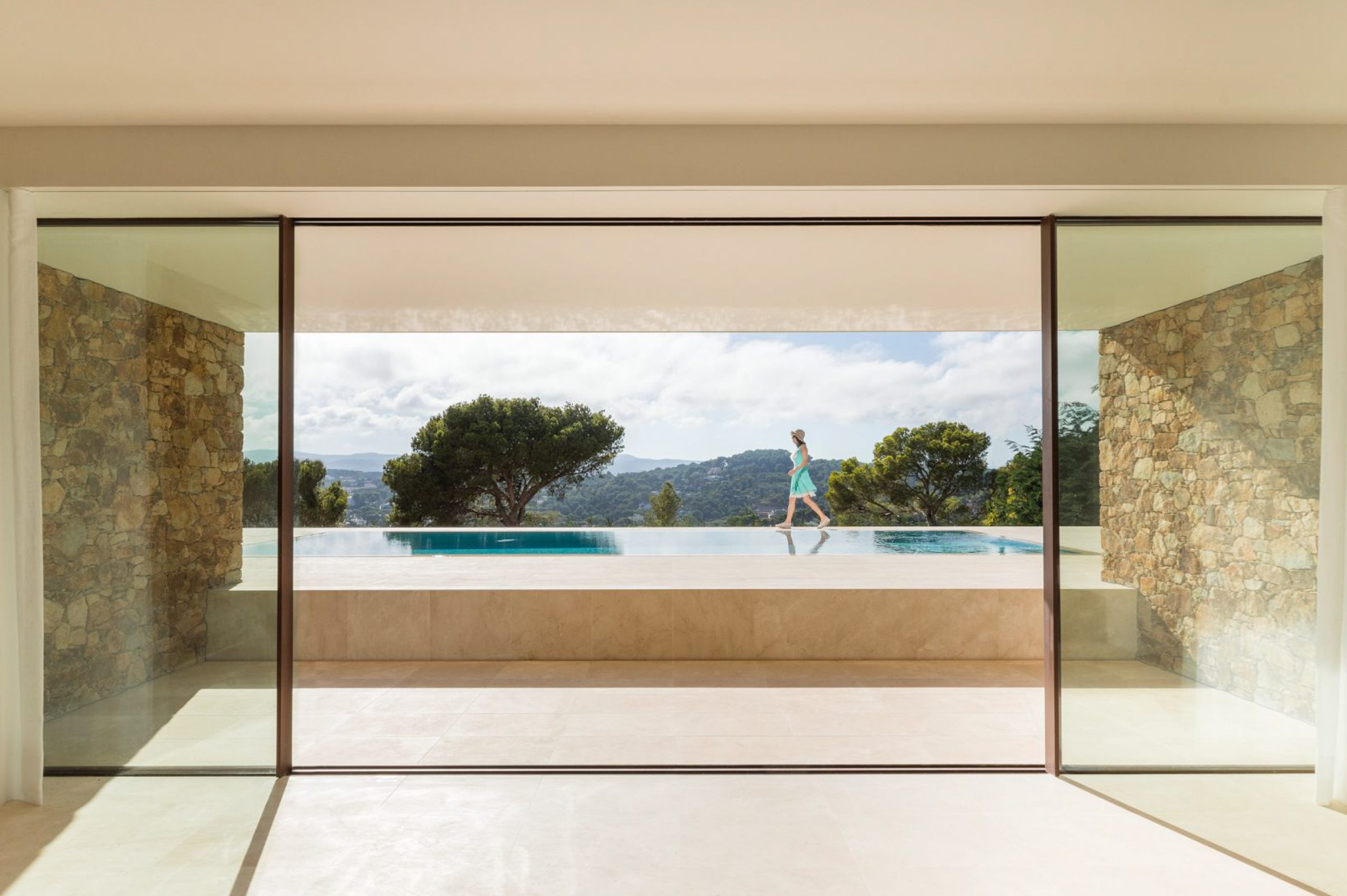
Casa de la Brisa | BAndrea Buch Meier & Alexandra Vilà | © Joan Guillamat
Energy Efficiency Without Compromise
As sustainability expectations grow, energy performance has become an essential feature of luxury residential architecture. Today’s houses must minimize energy consumption and maintain exceptional comfort year-round.
Advances in glazing technology and minimalist window systems have transformed what is possible. Expansive glass façades, once seen as a thermal weakness, can now actively contribute to a building’s energy strategy. High-performance glazing reduces unwanted heat transfer, improves daylight use, and stabilizes indoor temperatures. This decreases reliance on mechanical heating and cooling.
When considered alongside building orientation, insulation, and passive design strategies, the façade becomes one of the most important elements in achieving long-term energy efficiency.
Thermal Comfort Throughout the Year
Luxury is often experienced through qualities that cannot be seen. A consistently comfortable indoor temperature and a peaceful acoustic environment fundamentally change how a home is lived in.
Thermal comfort depends on integrating glazing performance, insulated framing systems, airtight construction, and passive solar design. Together, these elements create stable indoor environments comfortable regardless of seasonal changes.
Equally important is acoustic comfort. Whether in a dense urban environment or overlooking a busy coastline, a high-performance residence should offer calm and privacy. Advanced glazing technologies reduce external noise, allowing occupants to enjoy quieter interiors without sacrificing natural light or panoramic views. It is an invisible quality yet one of the defining characteristics of exceptional residential design.
Acoustic Comfort: The Invisible Luxury
Silence has become one of the rarest luxuries in modern living.
High-end residences in vibrant city centers or exposed coastal environments require exceptional acoustic performance.
Acoustic comfort allows occupants to enjoy:
Better sleep quality
Greater privacy
Improved concentration
Reduced stress
More enjoyable living spaces
Advanced glazing systems, specialized glass compositions, and precision-engineered framing reduce external noise without sacrificing transparency. This acoustic performance has become a defining characteristic of premium residential architecture.
Sustainability as a Design Principle
Sustainability is no longer an optional feature in luxury residential architecture.
Clients now expect homes that minimize environmental impact and maintain the highest standards of design and comfort.
Sustainable residential design considers the entire building lifecycle:
Energy efficiency
Material durability
Reduced maintenance
Responsible sourcing
Long product lifespan
Lower operational carbon emissions
Adaptability for future needs
Minimalist architecture naturally aligns with these principles by emphasizing timeless design over short-lived trends.
Buildings designed for longevity require fewer renovations, replacements, and resources.
Long-term quality is one of the most sustainable decisions in architecture.
Integrated Technology That Disappears
Technology is essential in luxury homes, but the best technology is almost invisible.
Modern smart home systems are designed to quietly enhance everyday living.
The solutions include:
Automated shading
Climate control
Natural ventilation management
Security systems
Lighting automation
Energy monitoring
Window operation
Home management platforms
Architecture should remain the focal point as technology operates discreetly in the background.
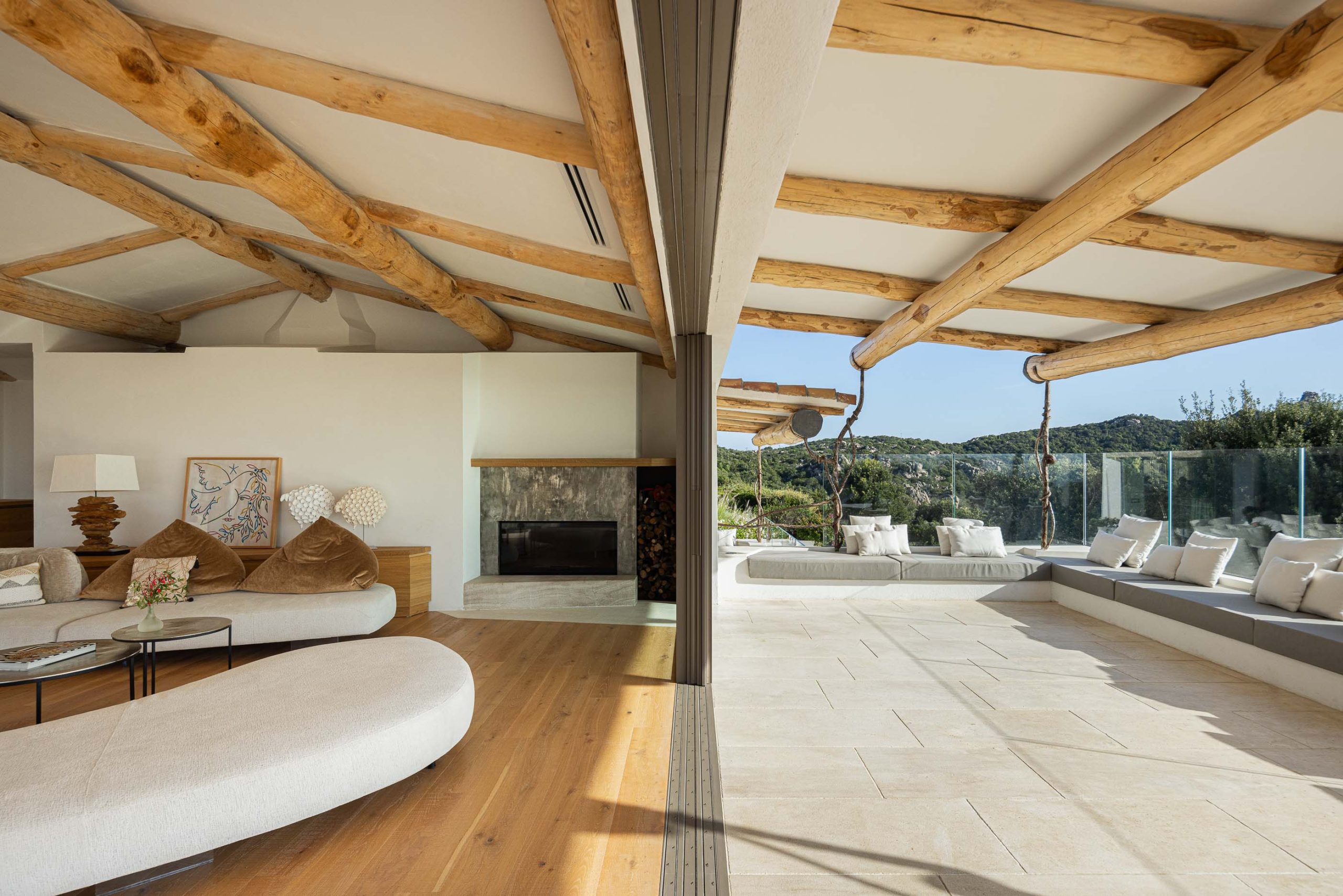
House in Sardegna | © Ivo Tavares
The Future of Luxury Residential Architecture
Luxury homes continue to evolve as technology, environmental priorities, and lifestyles change.
Several trends are shaping the next generation of residential architecture:
Larger Openings with Higher Performance
Net-Zero and Energy-Positive Homes
Invisible Building Systems
Wellness-Centered Design
Long-Life Architecture
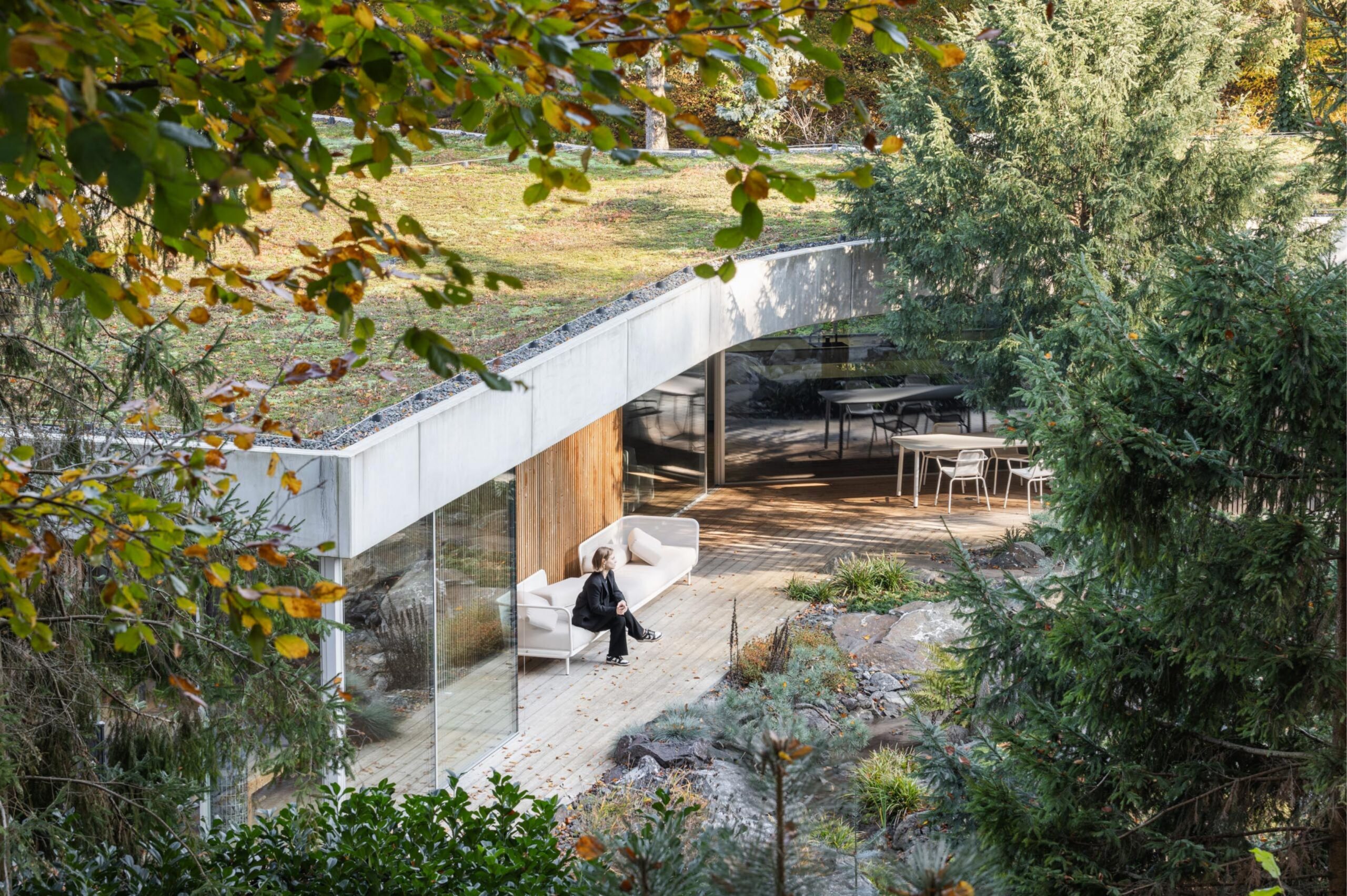
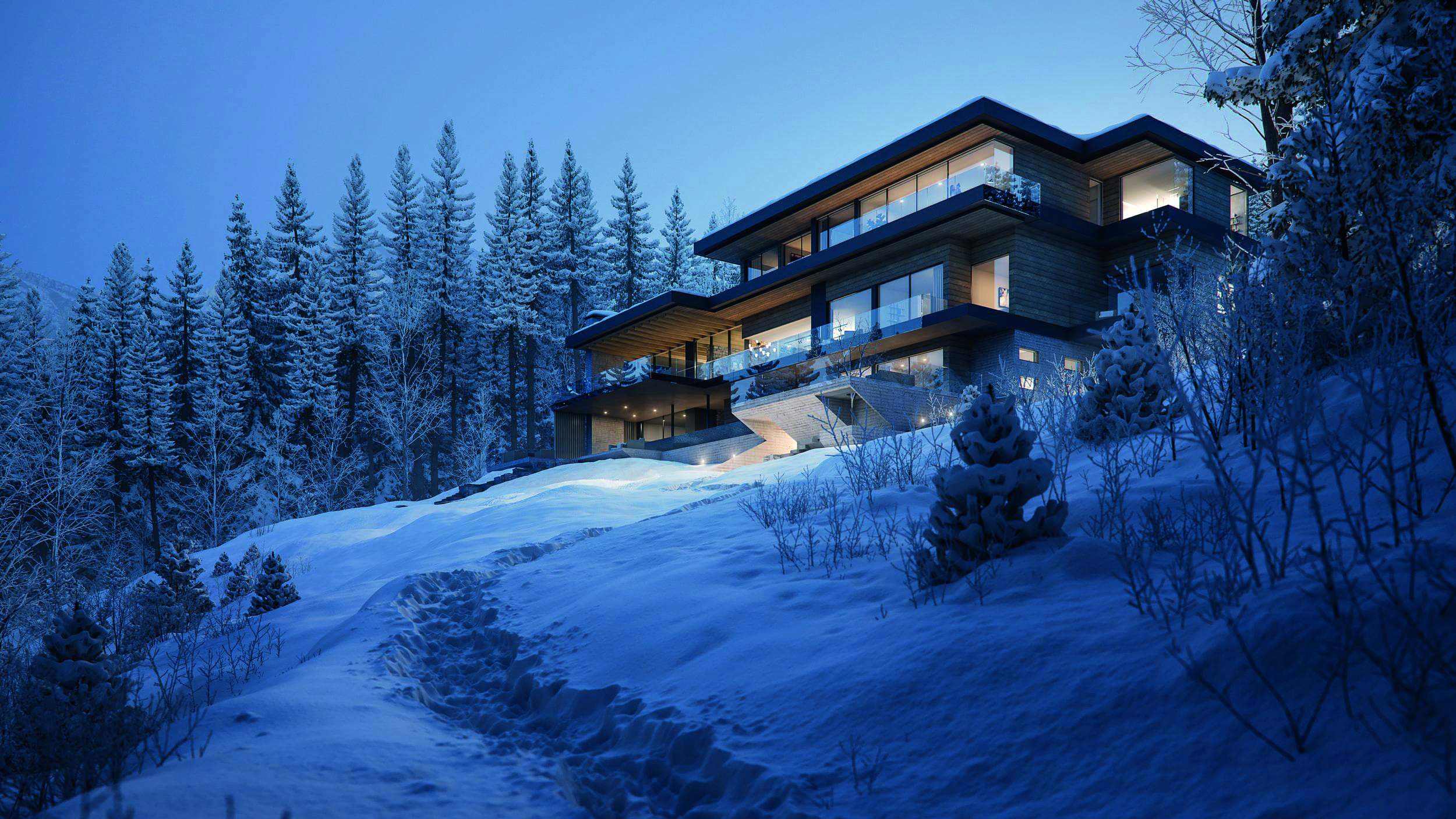
Banánka House | Paulíny Hovorka Architekti | © Matej Haka
Designing Homes That Perform as Beautifully as They Look
Today’s most successful homes combine minimalist aesthetics with performance to create spaces that are comfortable, efficient, sustainable, and connected to their surroundings.
Every element, from orientation and materials to glazing systems and environmental strategies, contributes to a home that enhances daily life and stands the test of time.
We believe that minimalist windows are essential components of high-performance living, bringing together engineering, thermal efficiency, acoustic comfort, and uninterrupted views in a single architectural solution.
The best luxury houses are designed to elevate the living experience.


