
For decades, architectural progress was measured by what could be built from the ground up. Today, however, a different question is changing how we think about design: what if the most sustainable building is the one that already exists?
As cities become denser, environmental regulations tighten, and the construction industry seeks ways to reduce its carbon footprint, adaptive reuse has emerged as one of architecture’s most powerful strategies. Rather than demolishing obsolete structures, architects are giving them a new purpose by preserving their character while adapting them to contemporary ways of living and working.
Far from being a compromise, adaptive reuse has become an opportunity for creative solutions and new ideas.
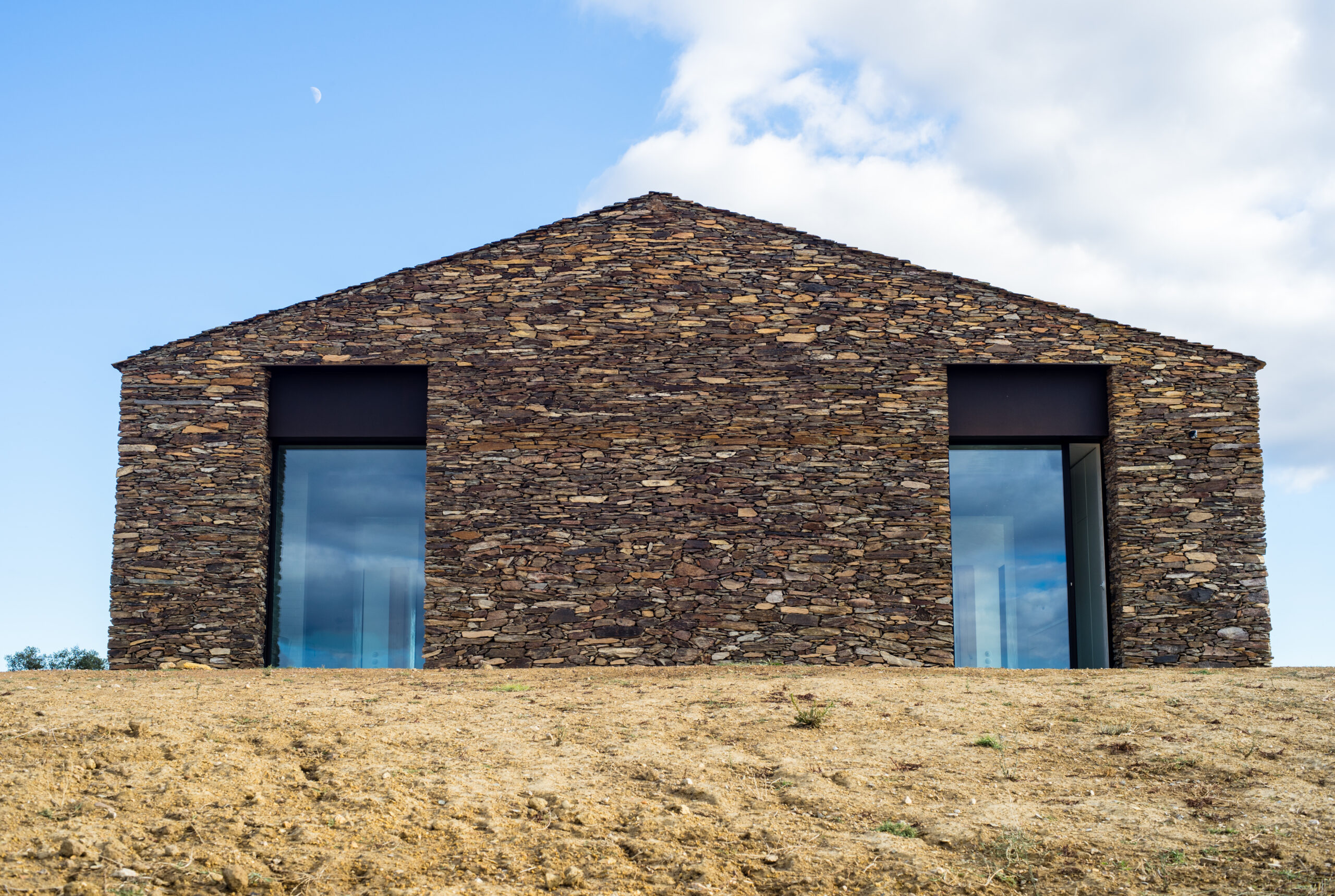
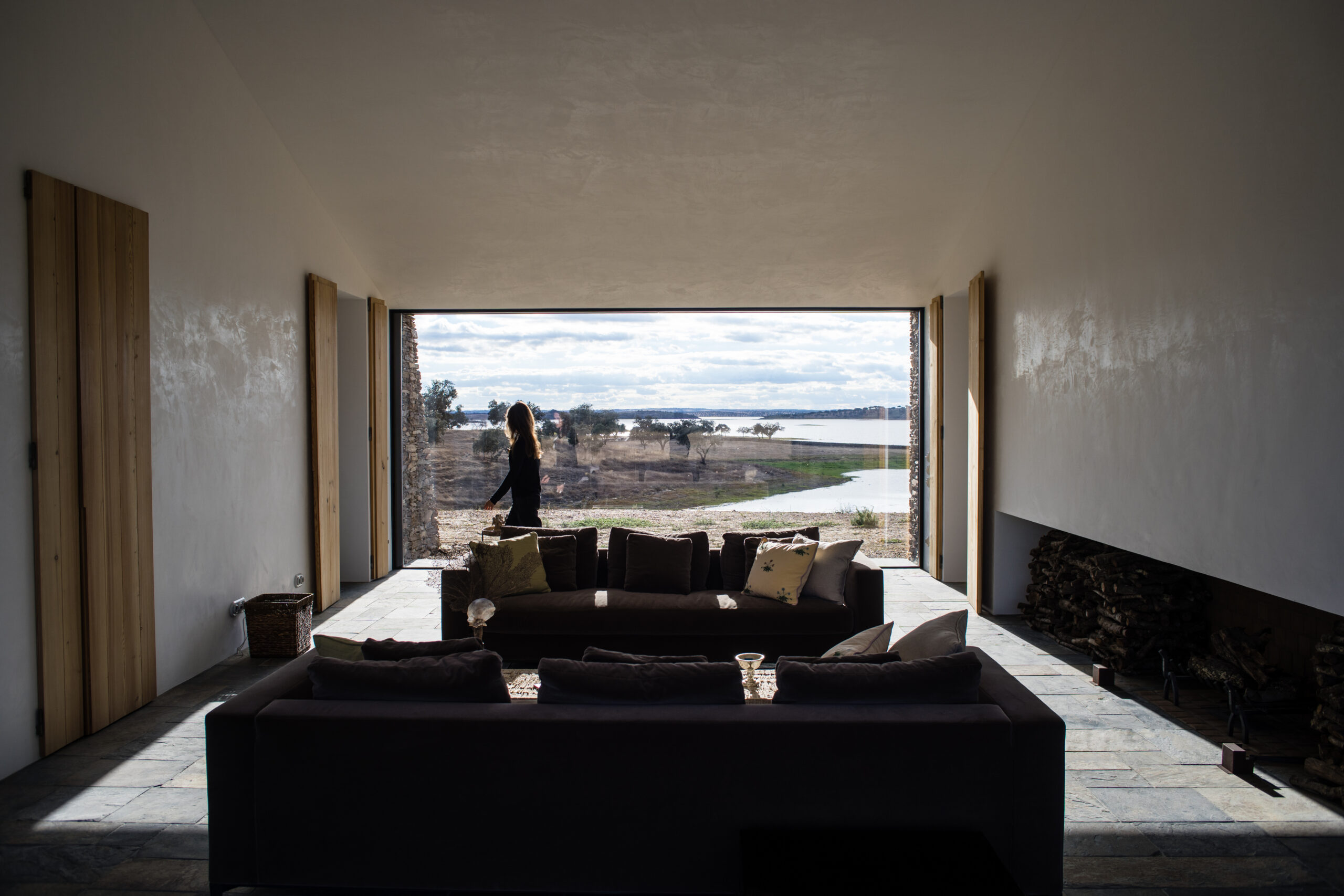
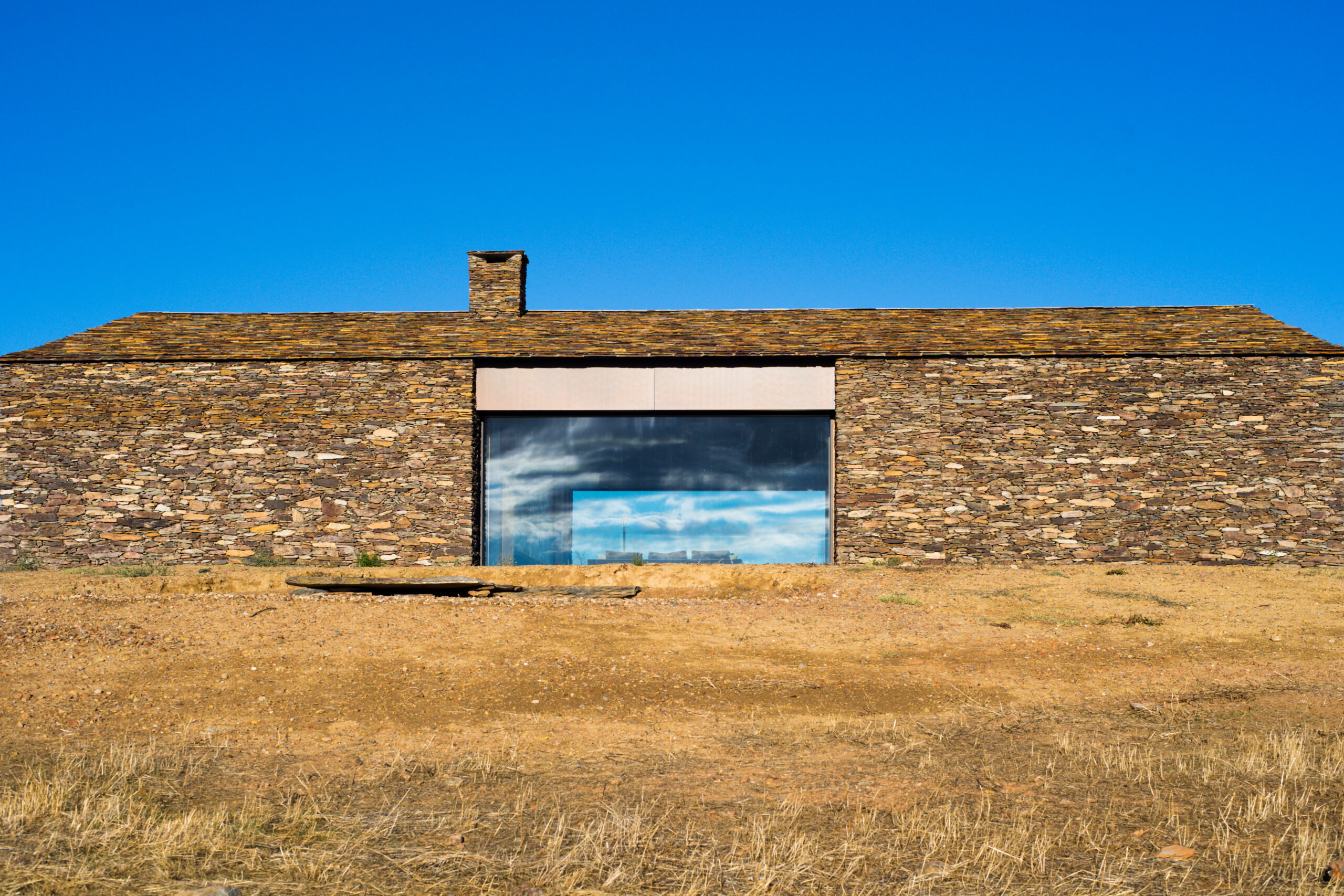
Casa Tapada das Relvas | Aires Mateus | © Bruno Lança
What Is Adaptive Reuse?
Adaptive reuse is the process of transforming an existing building to serve a different function than originally designed. An industrial warehouse may become a cultural center, a former factory can evolve into residential lofts, and an old office building might find new life as a hotel or educational facility.
Unlike traditional renovation, adaptive reuse goes beyond restoring a building. It reimagines its purpose while respecting its architectural identity, structural integrity, and historical significance.
This approach recognizes that buildings are valuable not only for their materials but also for the stories, craftsmanship, and urban memory they embody.
A Sustainable Response to Today’s Challenges
The built environment is responsible for a significant share of global carbon emissions, with much of that impact coming from the production of materials such as concrete, steel and glass.
Demolishing an existing building often discards the embodied carbon in its structure. Adaptive reuse preserves this value, reduces waste, limits demand for new raw materials, and supports a circular economy. Numerous studies identify environmental, economic, social, and cultural benefits of this approach, making it one of the most effective strategies to lower the built environment’s environmental impact.
For architects, adaptive reuse has become an essential design strategy for creating resilient cities that balance environmental responsibility with contemporary performance.
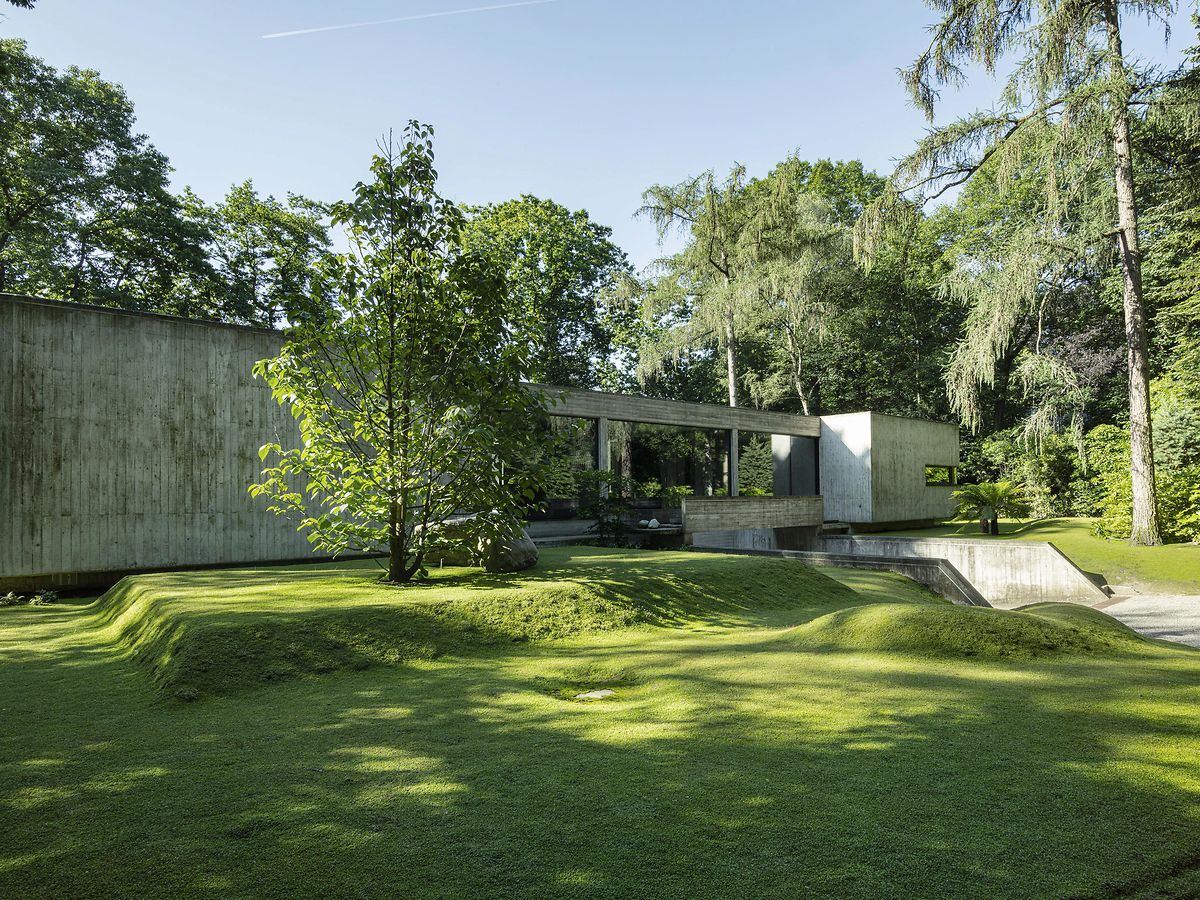
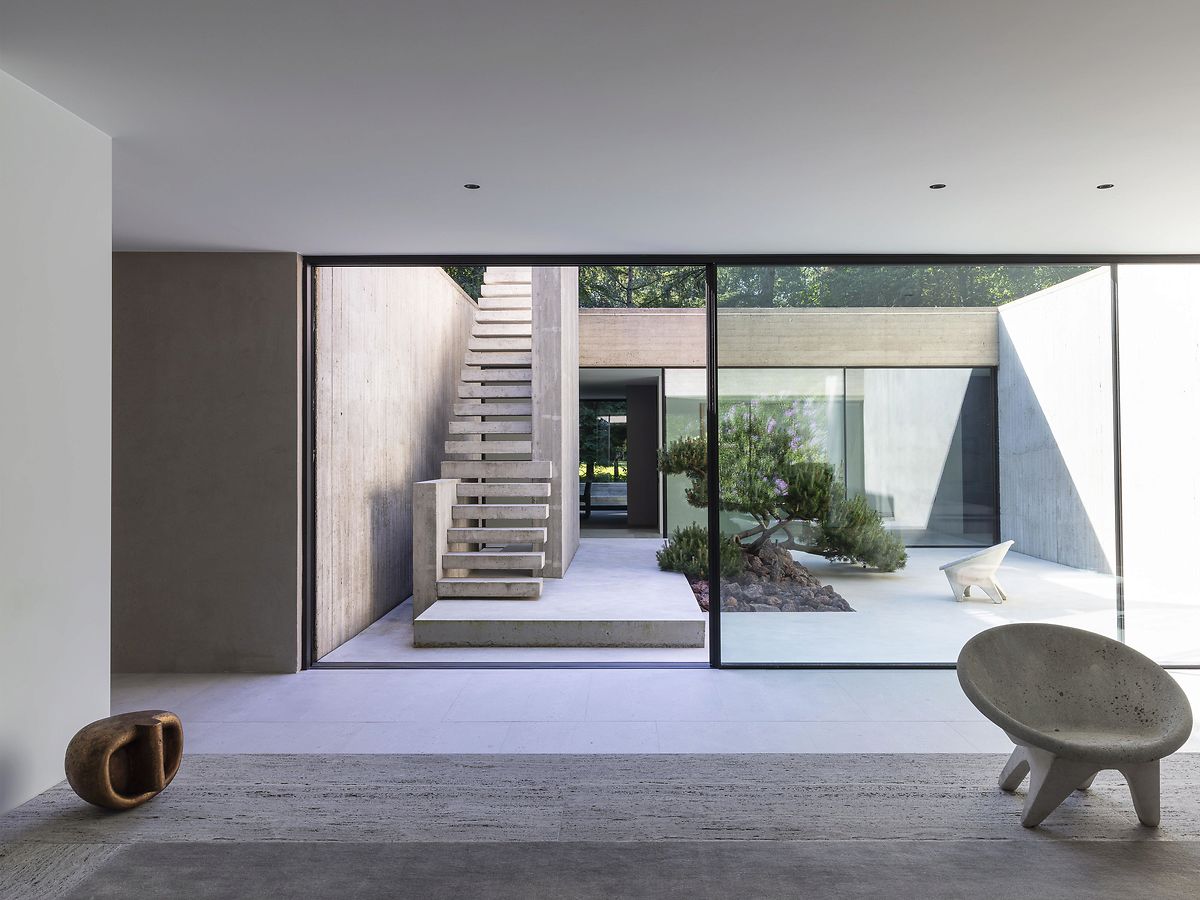
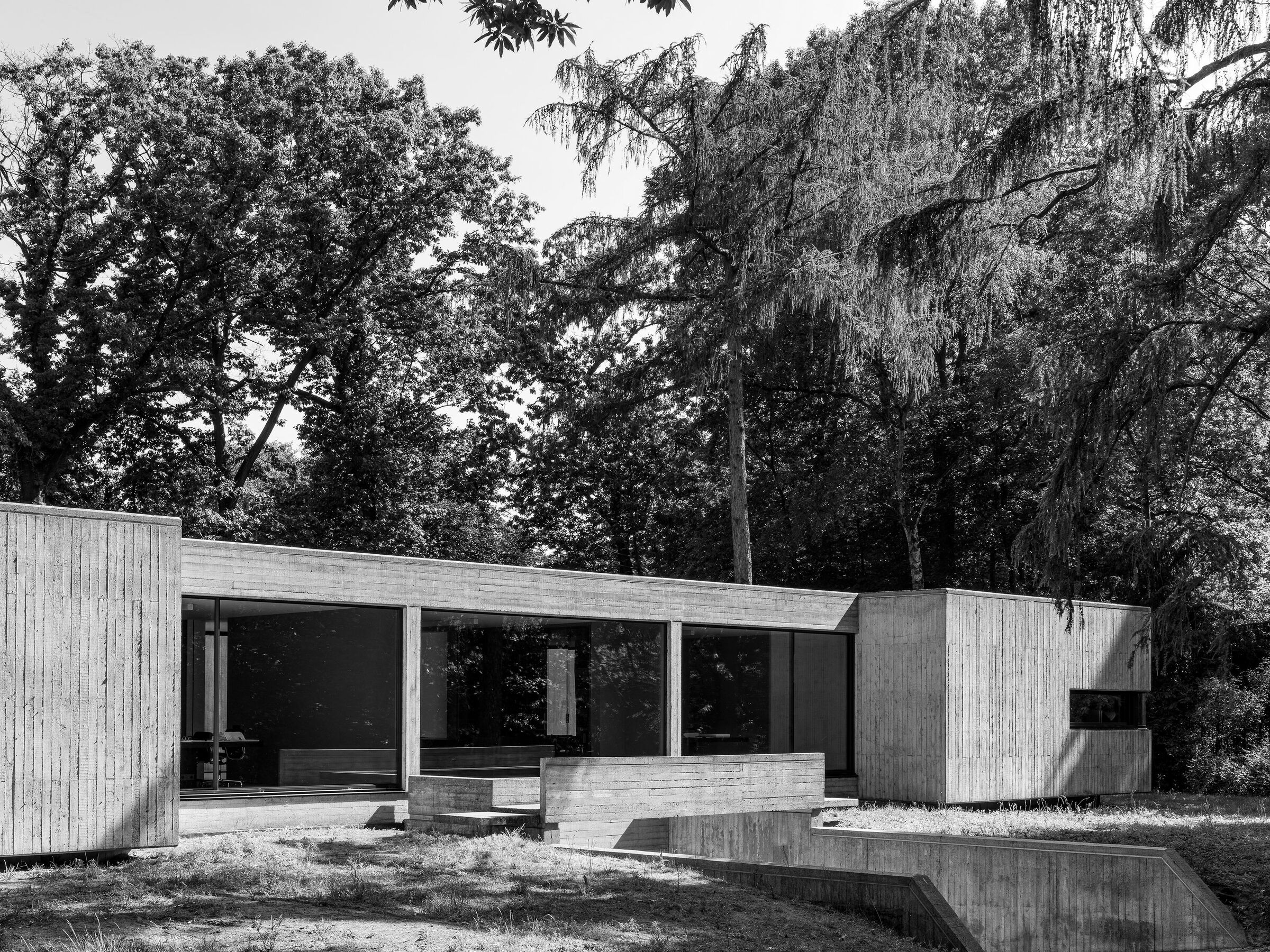
Pavilion Sestig | Glenn Sestig | © Jean-Pierre Gabriel
Preserving Identity While Designing for the Future
Every existing building carries a unique narrative. Materials weather over time, structures reflect different construction techniques, and façades contribute to the identity of entire neighborhoods.
Adaptive reuse allows these layers of history to remain visible while introducing new technologies, improved accessibility, and higher environmental performance.
The result is architecture that feels authentic. Spaces where past and present coexist naturally create environments with a richness that new construction often struggles to replicate.
The Role of High-Performance Windows
One of the greatest challenges in adaptive reuse is achieving modern levels of energy efficiency without compromising architectural character.
This is where façade design becomes fundamental. High-performance glazing systems improve thermal insulation, maximize natural daylight, and strengthen the relationship between interior and exterior spaces while respecting the original architecture. Large minimal frames let historic structures embrace contemporary transparency without visually overwhelming the existing fabric.
Instead of overshadowing historic features, advanced façade systems can highlight them, helping buildings adapt over time while keeping their unique identity.
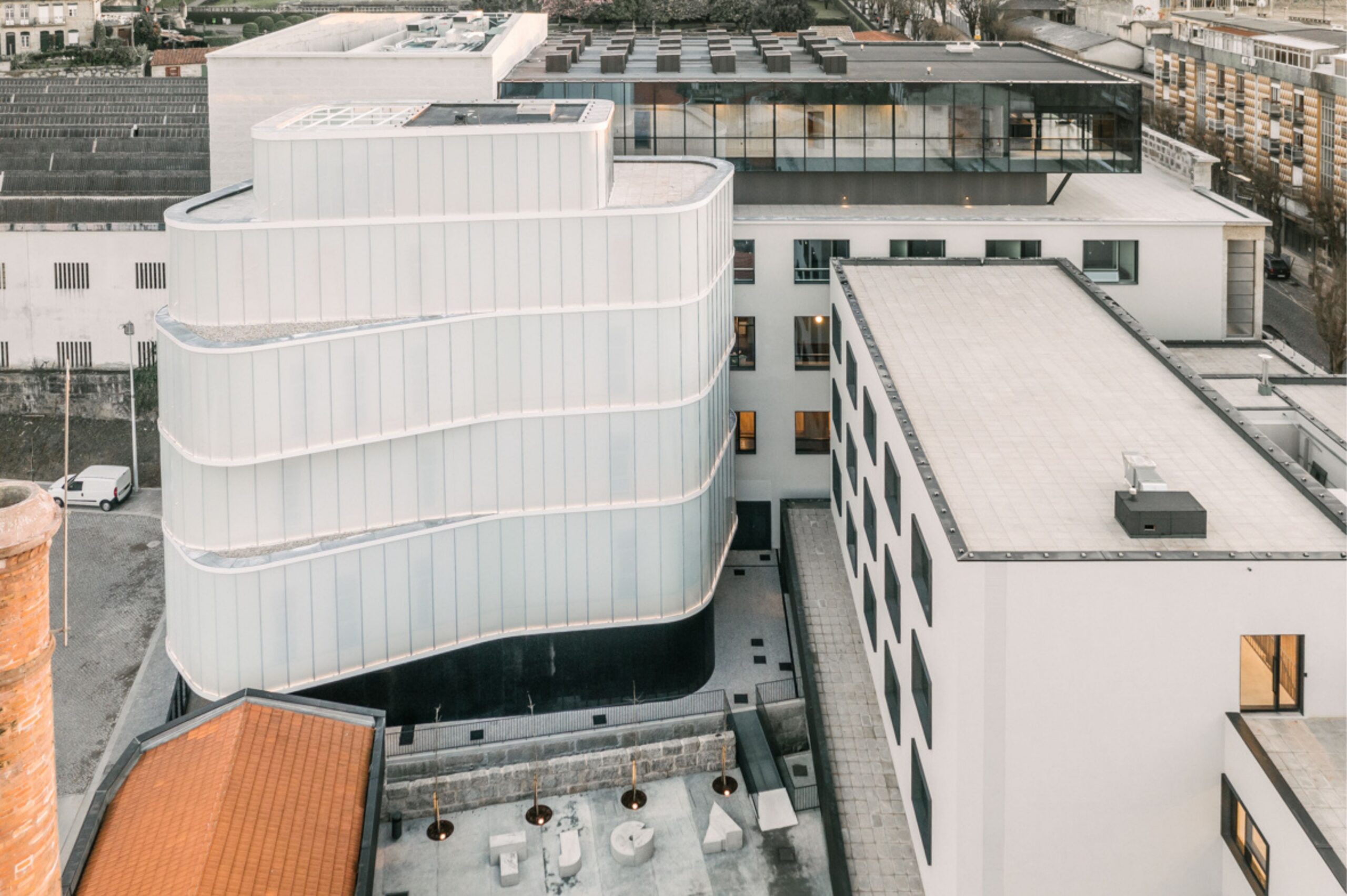
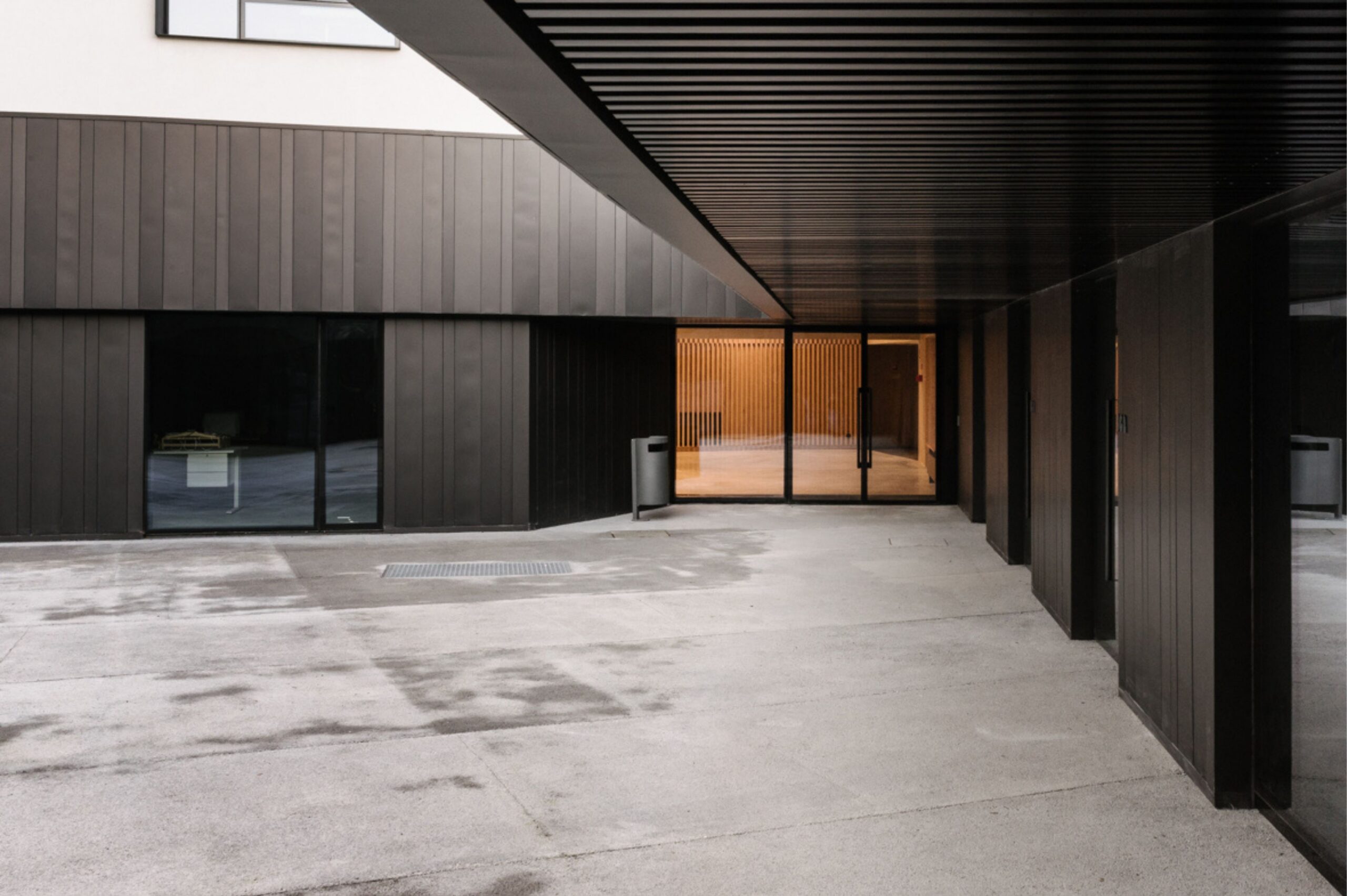
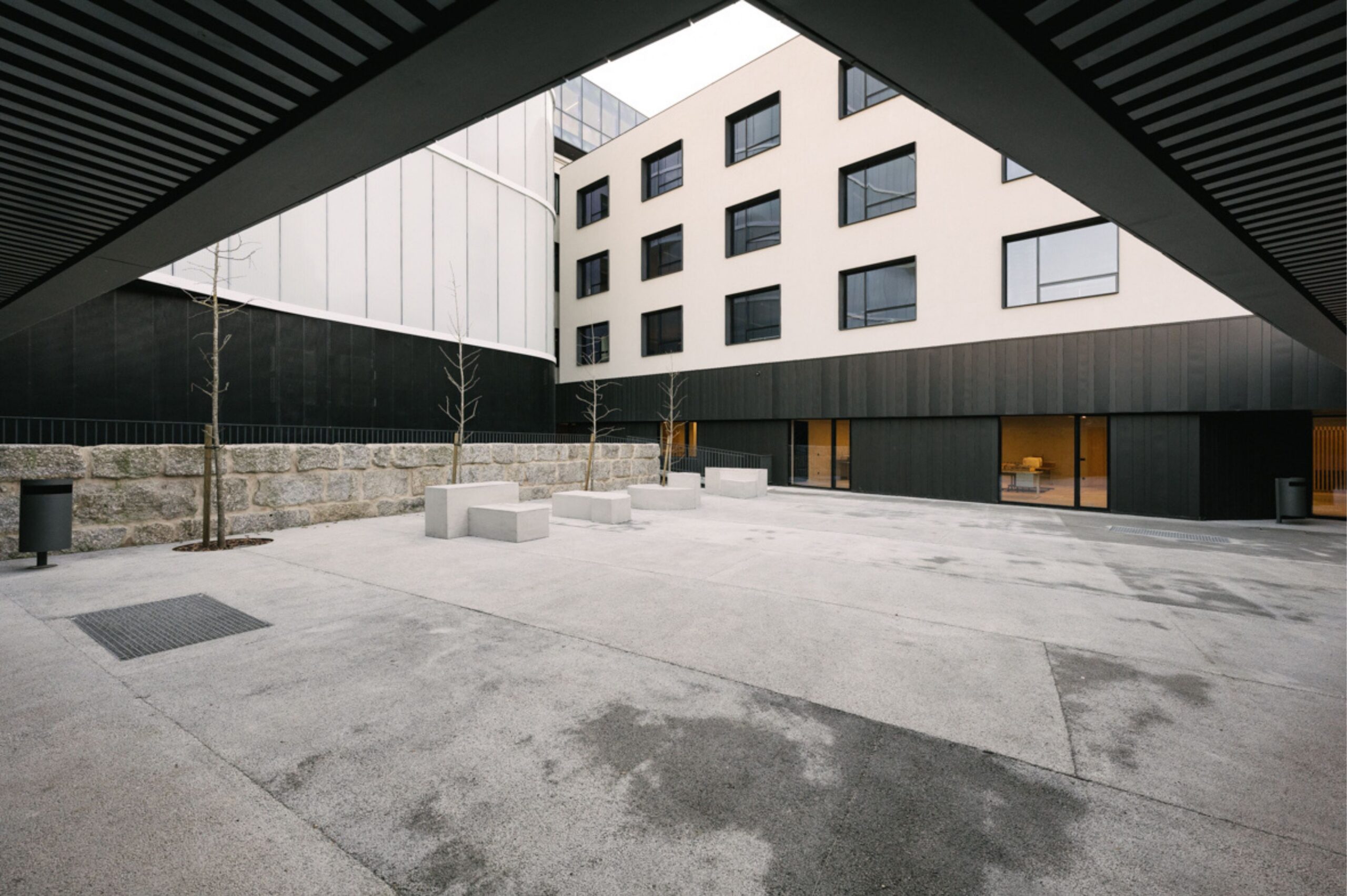
Jordão Theater | Grupo Pitágoras | © João Rey Soares
Designing Cities That Evolve
Adaptive reuse is becoming increasingly relevant as cities rethink how they grow. Across Europe and beyond, industrial buildings, offices, civic structures and historic properties are being transformed into places designed for new generations.
This shift reflects a broader understanding that sustainability is also about building thoughtfully.
Every structure that is successfully adapted represents fewer materials extracted, less demolition waste produced and a stronger connection between architecture and its cultural context.
In many cases, the future of architecture will not be built entirely from scratch. It will be carefully, intelligently and beautifully transformed from what already exists.
Looking Beyond New Construction
Adaptive reuse is especially valuable because it lets architects design within certain limits that spark creativity instead of holding it back.
As environmental performance, circular design, and urban resilience become more important in architecture, rethinking old buildings will keep shaping the future of the field.
Sometimes, the most creative building isn’t the newest one. It’s the one that has been given a second life.


