
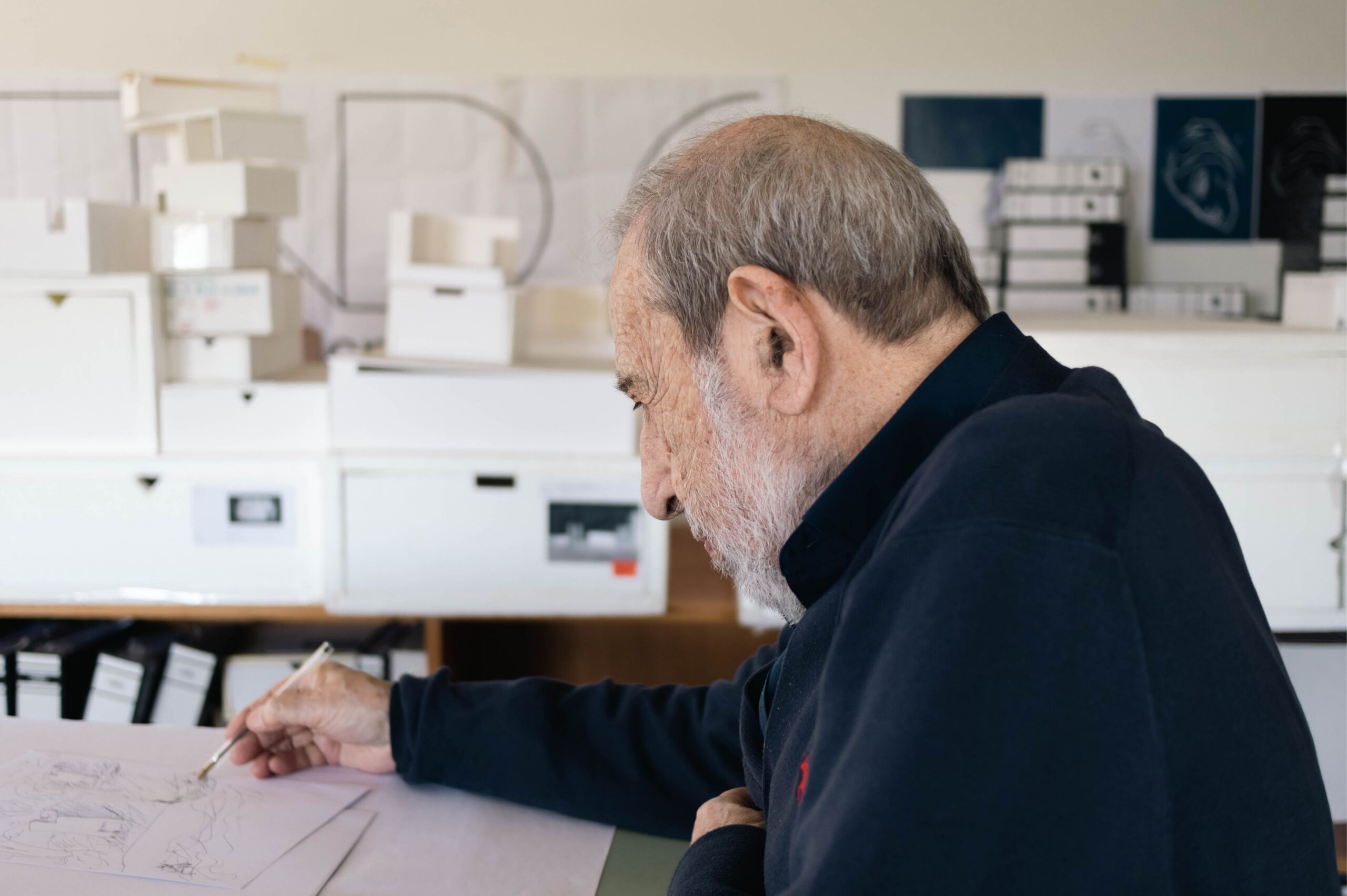
In the latest edition of the OTIIMA Journal, architect Mário Martins invites us to look beyond the obvious and rediscover one of architecture’s most elemental features: the window. In his article “The Windows of Siza,” he reflects on the mastery of Álvaro Siza Vieira, whose work transforms openings into light and meaning.
Now available in full on the our blog, this text is a tribute and an exploration of how windows can transcend function to become instruments of architectural expression.
A great deal has already been said about windows and their role in architecture. What more could I add, except a few words about someone I consider one of the greatest creators of windows in architecture?
I would like to praise the mastery with which Siza Vieira draws, incorporates, and transforms the “window” into architecture, achieving this with an apparent naturalness, almost as if it were unplanned. However, I believe that each window takes shape and matures throughout the design process until it becomes an integral part of the built work. Siza has designed large and small windows—square, round, oval, triangular, elongated, horizontal, vertical, and expansive glass openings. Each one serves a purpose beyond merely conceptual reasons.
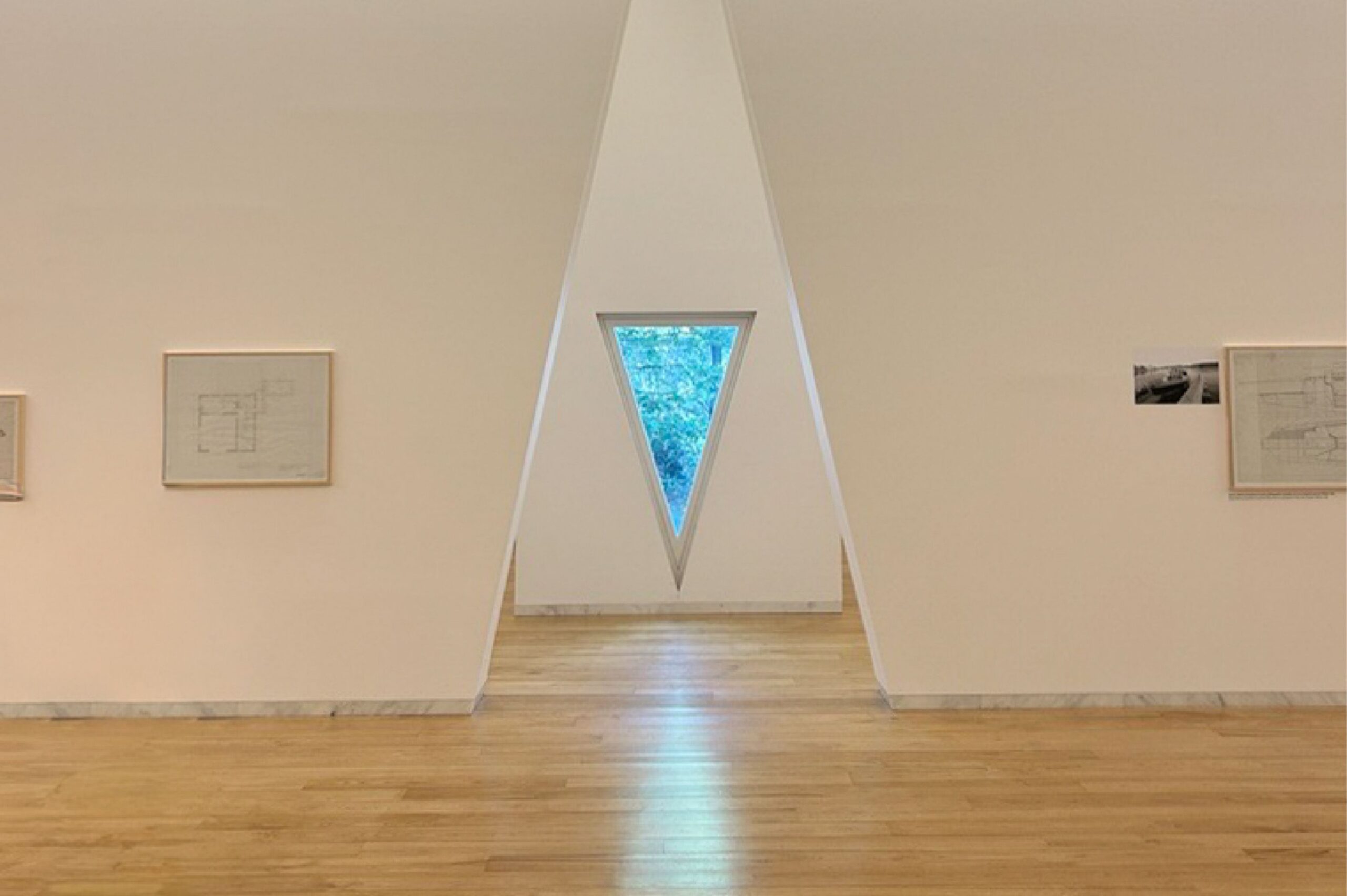
Serralves Museum | Álvaro Siza Vieira
The triangular window at Serralves adds a distinguished touch, contrasting with the seemingly irregular rhythm of the colonnades at the Portugal Pavilion or the small openings of the Chapel at Monte. The ventilated window, located near the ceiling and offering no view, filters the gentle morning light that fills the prayer space. In contrast, the narrow opening cut into the façade near the floor allows a sliver of light to enter in the late afternoon, pointing toward the altar. As this building lacks artificial lighting, the window takes on even greater importance, serving as a metaphorical connection to more ancestral architecture. Through his windows, Siza’s work encapsulates the entire history of architecture.
Souto de Moura, who openly admits to struggling with window design, though I don’t think that’s entirely true, has frequently praised Siza’s talent in this regard. Carlos Castanheira, coauthor of some of Siza’s projects and someone who knows him and his architecture well, often says: “Siza is a Renaissance man… a true humanist. There’s no one like him.” I would add, symbolically, that Siza is also the last of the Mohicans. A man of arts and knowledge, he is a creator who masterfully designs urban spaces, buildings, objects, and the experiences of people, always driven by the same dream—sculpting “things,” landscapes, and windows. Through the immateriality of the “window,” he reveals his talent as an architect and his dream of being a sculptor.
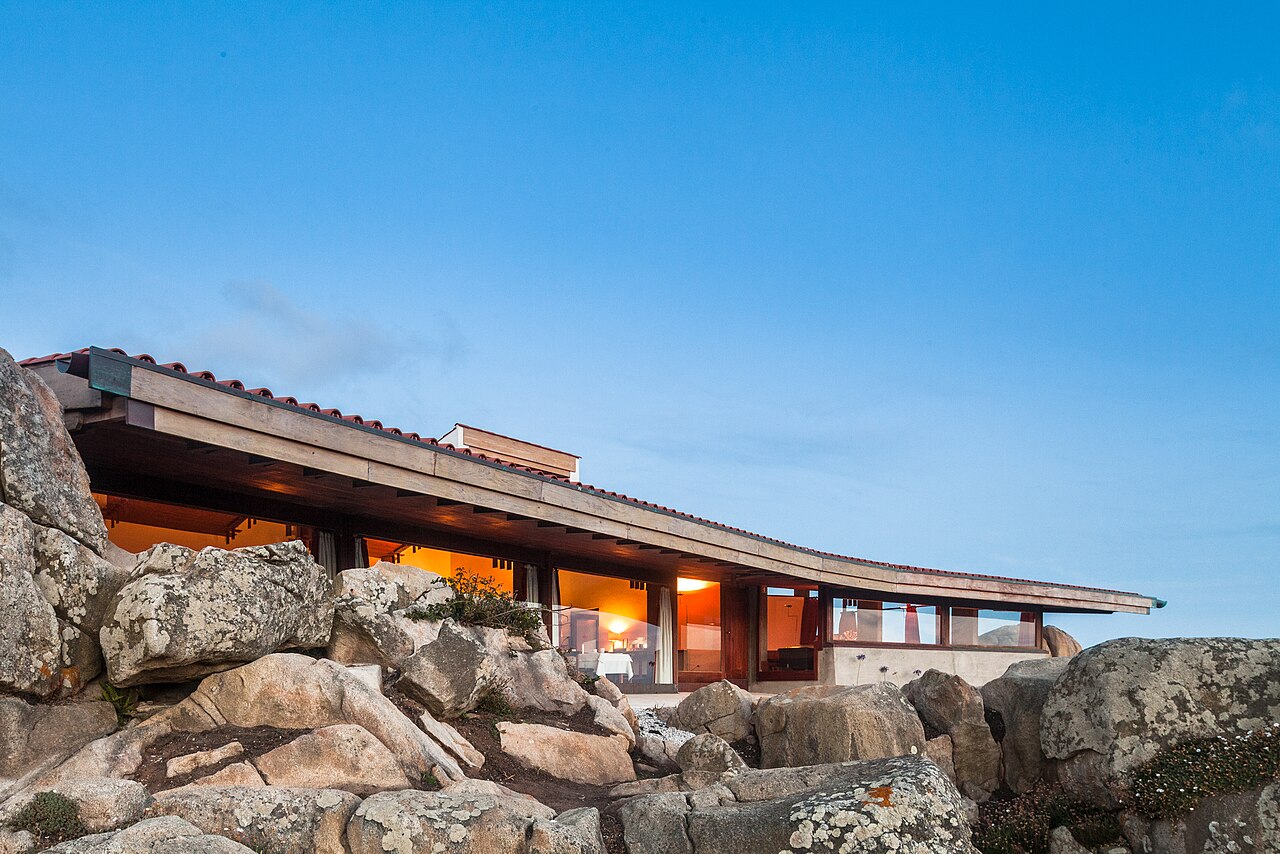
Boa Nova Tea House | Álavaro Siza Vieira | João Morgado, CC BY-SA 4.0 , via Wikimedia Commons
Siza has windows that watch, windows that dream, and all of them inspire us to dream as well. Perhaps that’s why, in his own words, “windows are instruments for sculpting light.”
And Siza, as always—sharp, disarming, and deeply intelligent—declares: “Good architecture has no windows. Designing windows is very complicated.”
It’s almost as if he’s suggesting that this text may not make sense. And perhaps it doesn’t; it may fall short of fully conveying the depth and quality of Siza’s work. Carlos Castanheira is right: “There’s no one like Siza.” Least of all his windows. To conclude with the words of another great architect, Oscar Niemeyer: “A window is not just an opening, but a frame for time, light, and life.”


