
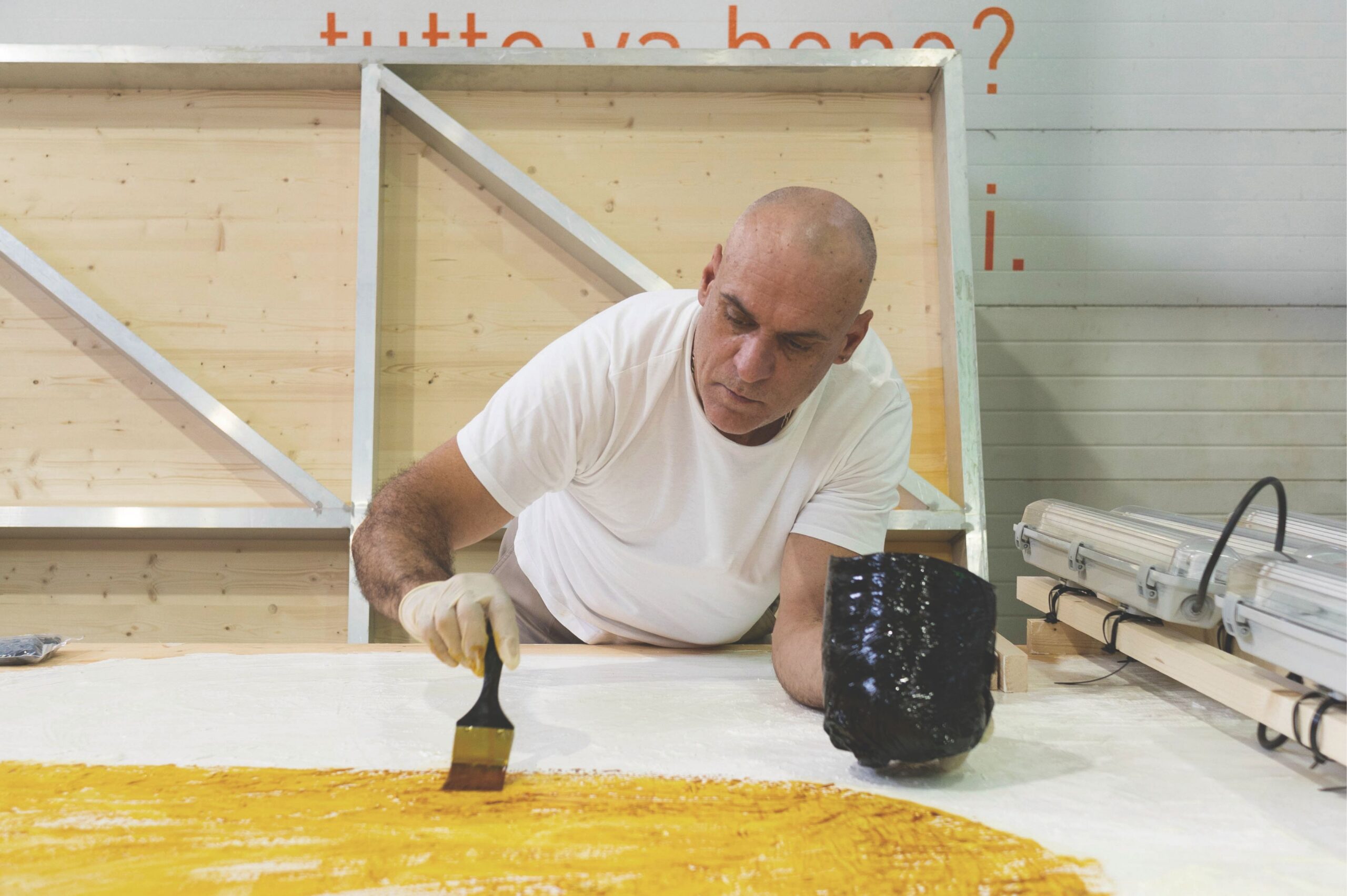
Filipe Marques is an artist who inhabits the edges between life and death, between suffering and form, between silence and image. In this interview, we move through the densest layers of his artistic practice: pain as a structuring force, the refusal of redemption, and creation as an ethical act of resistance against the unbearable.
Memory and pain are recurring themes in your work and artistic reflection. How do you find inspiration in these experiences to create pieces that engage with such deep emotions?
All true creation emerges from a confrontation with what cannot be spoken directly. Pain, trauma, and despair—they are not just thematic categories but fundamental forces. My work, born from suffering, is a form of doxa. Suffering is not noble; it is corrosive, dirty, and intimate. Yet, when transformed into art, paradoxically, it gains beauty, not because it beautifies horror but because it shapes and contains it. My work imposes form on chaos, and in that, there is something sacred. Even if temporary, even if futile. That is why I speak of the creative act as a substitute for suicide: one creates to avoid dying. Or rather, one dies little by little in creation, until the body no longer needs to fall. Art as the last breath. In this scenario, my work is the body still pulsing while everything else fades. It does not save but postpones. It does not heal but bears witness. Perhaps it is this: creating, like leaving a candle burning in an empty room, knowing no one will return. Some suicides happen long before the body falls. And some works are epitaphs written during life. It is in this space that my work finds its most tragic value: it does not console; it accompanies like a loyal shadow to the edge of the precipice.
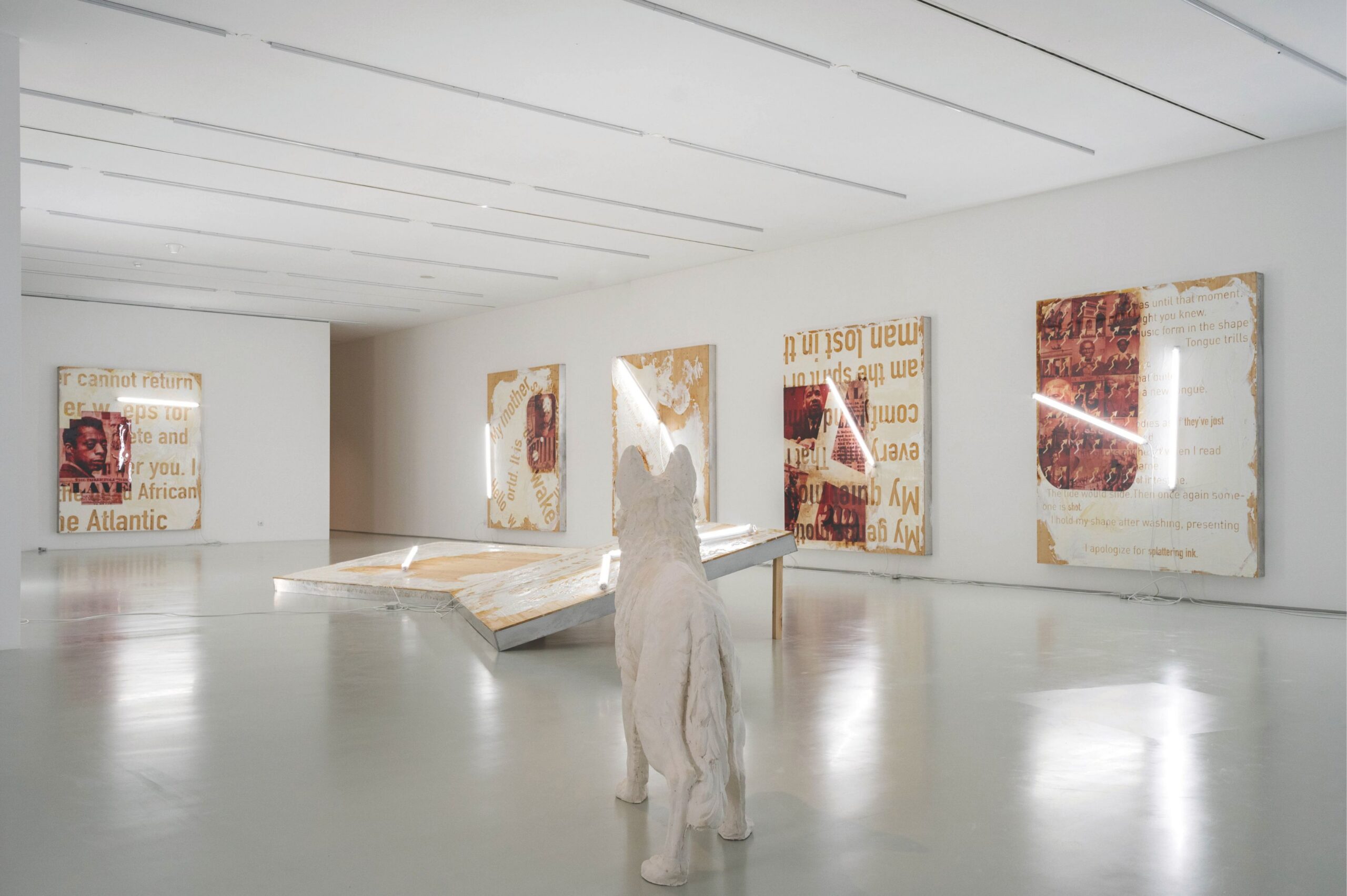
Filipe Marques, Old Cities Enclosed By Ancient Walls, 2022
We know you have a close relationship with various forms of artistic expression, including dance, theater, and poetry. How do these languages influence your practice and the outcome of your work?
Hope has historically been a cornerstone of metaphysical, religious, and ideological traditions. It functions as a motivating force, a promise of change, and a principle of continuity. Yet, in the face of trauma, suicide, and historical disasters, hope can feel not only inadequate but also inappropriate. In such moments, hope might be viewed as a means of domestication, a way to preserve order amid the unbearable. My work, however, rejects any idea of salvation. It is created despite catastrophe, not as a response to it. In this context, redemption is not even an option. Language has already endured fire—it’s ash, fragments, ruin. If hope exists, it resides in the smallest act of naming loss, of keeping memory alive. There is no promise left behind. Only an “after” marked by absence. Art does not save. But it prevents forgetfulness. This is not redemption, but a fragile form of justice. The utopia of connection is replaced by the silence of death. The endless goal of my work continues, not as a form of salvation, but as a final escape from oppressive language. My work emerges from the failure of hope, and it is precisely this that grants it political significance. Hope can also be regarded as a disease. It’s the worst form of enslavement. The only true clarity is that of honest despair.
All the media I explore and find refuge in help me survive my own desire to die. Thus, even while denying redemption, I find in these media a space where the unbearable can be contemplated, never fully redeemed. Hope, as a framework of meaning, is rejected not out of unnecessary pessimism but because of an ethical commitment to acknowledging suffering. Redemption will not come. And my work makes no promises. Yet it exists. It still exists. And that act, even without salvation, bears the power of lucidity. Perhaps, in the end, that is the only true form of dignity in a godless world: to keep speaking what burns, even when everything has already been consumed.
What is the role of vulnerability and resistance in your creative process and in how you communicate with your audience?
My work may offer an ethic rooted in vulnerability and interdependence. The artist without God does not seek personal redemption but connection within a network of existence. My work often functions as a space for sublimating melancholic pain—a way to make the unbearable bearable.
Yet there comes a point where creation no longer redeems but instead intensifies pain: producing becomes the only way to inhabit despair. One can see in my work the constant presence of melancholy as a companion to creation. Its language, across different media, does not heal but sustains it at the edge of the abyss. My aim with my work is this vision: by exposing a vulnerable body, I invite the audience to share responsibility.
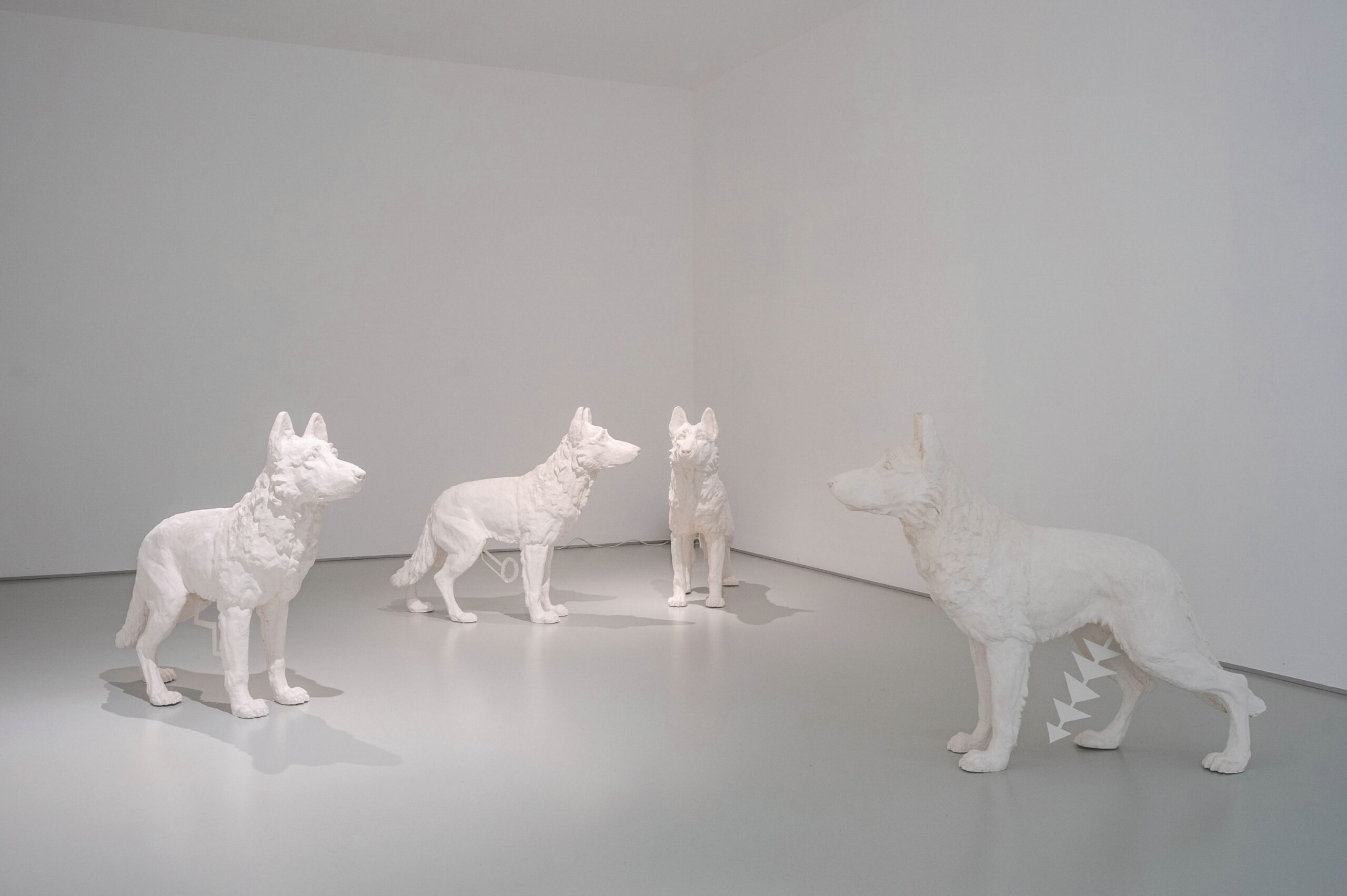
Filipe Marques, Old Cities Enclosed By Ancient Walls, 2022
Thinking about the impact of your work, what legacy would you like to leave for future generations, both artistically and socially?
Speaking about suffering is not merely an aesthetic exercise or a subjective necessity—it’s primarily an ethical act. My work engages with suicide, trauma, and the destruction of the subject and inevitably calls forth the presence of the other: the one who listens, survives, and remembers. The other as spectator, accomplice, absent. This other is the dead, the absent, the collective victim who can no longer speak. My work serves as a form of unauthorized testimony—it speaks for those silenced by history. The legacy of a suicidal artist is not limited to the work they leave behind but extends to the abyss their absence opens. From the testimony of the unspeakable, born of despair, arises an unavoidable question: what remains when the creator chooses the absolute silence of death? It is a battlefield between memory and the unspeakable, marked by a dense, hermetic quality that points to a limit-experience. My work can offer a paradoxical remedy to despair: the beauty of form and color, the rhythm of corrosive thought, and the stylistic elegance that transforms existential nausea into art. An aesthetics of the limit—creating to keep myself alive, even if only briefly. When death arrives, it will not erase the image; instead, the image will gain an aura of definitive witness: an ethical cry and an act of resistance embodying the paradox of feeding on my own despair. The ability to turn death into language can crystallize my life, casting an aura around my work; ultimately, this is the power of creation. It is not about glorifying extreme acts but about an ethical and aesthetic inheritance: proof that even in the face of the unbearable, art can transform pain into memory, silence into image, and finiteness into permanence.
About Filipe Marques
Filipe Marques is an artist known for his thought-provoking exploration of human emotions and instincts. His work often explores themes such as fear, survival, and the darker side of human nature. Marques has been involved in several projects with OTIIMA, bringing his unique perspective to architecture and art.


