
Modern urban architecture faces a unique set of challenges. Cities are expanding rapidly, so architects must balance various demands, such as limited space and strict regulations, sustainability and cultural identity. Understanding these challenges is crucial for creating functional and aesthetically pleasing spaces that address the needs of today’s urban environments.
Limited Space and Growing Populations
One of the most significant challenges is the limited availability of space. As more people move to urban areas, land becomes increasingly scarce and expensive. There’s a need to find creative ways to maximize every square foot, often by designing taller buildings or multi-use spaces that serve multiple purposes simultaneously. However, building upwards comes with technical considerations such as structural safety, lighting, and ventilation.
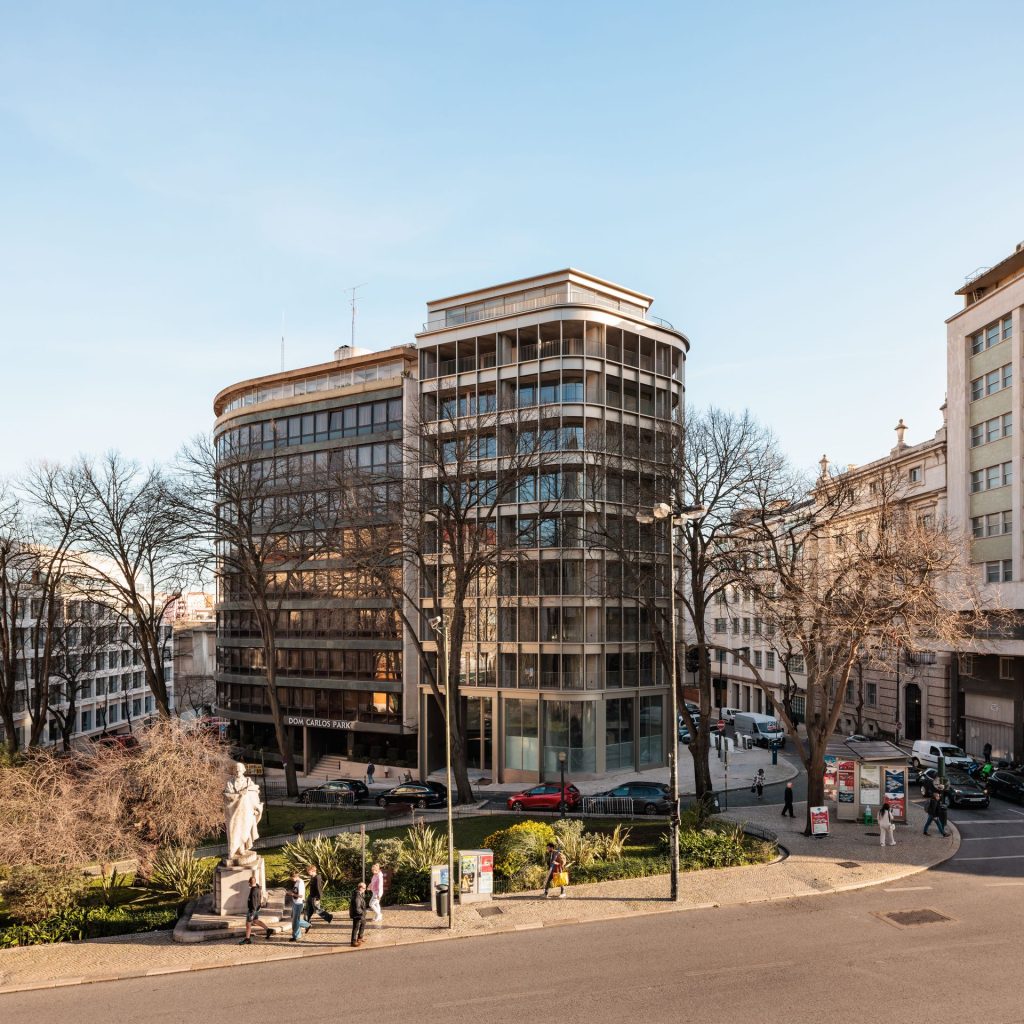
Bow | Ana Costa Arquitectura | © Francisco Nogueira
Navigating Complex Regulations
Urban projects must adhere to a multitude of building codes and zoning laws, which can restrict design freedom and flexibility. Securing the necessary approvals can be a time-consuming process that requires careful planning. Successful architects learn to operate within these constraints while still pushing creative boundaries.
The Need for Sustainability
Sustainability is no longer optional in urban architecture; it is essential. From selecting energy-efficient materials to designing buildings that minimize waste and reduce carbon footprints, architects face increasing pressure to incorporate green solutions. Balancing these sustainability goals with budget constraints and timelines can be challenging, but it is vital for the future of cities.
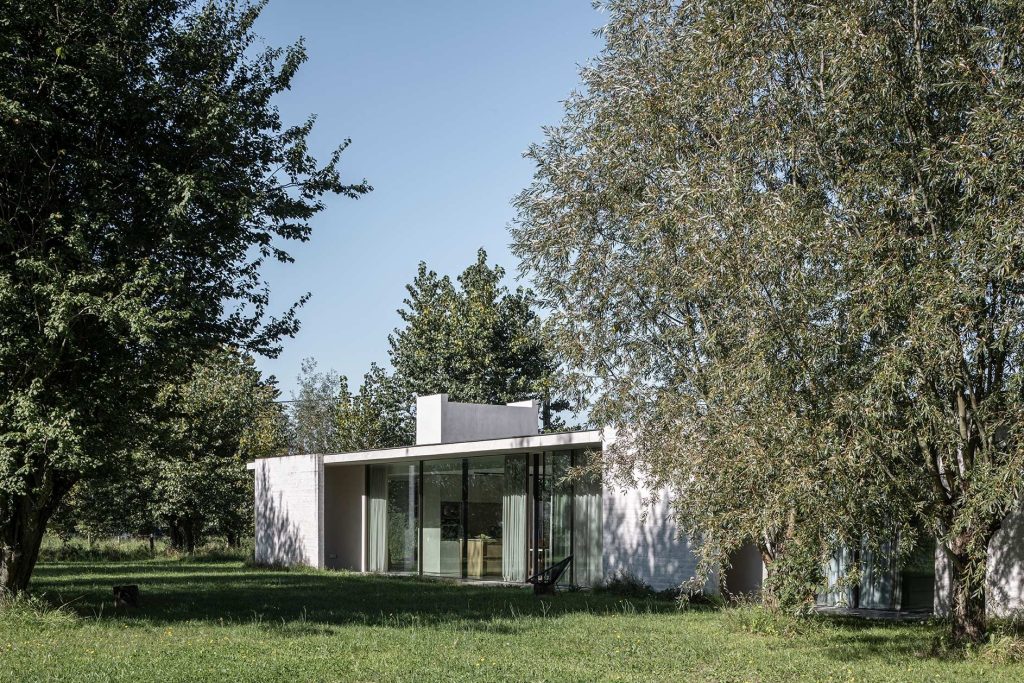
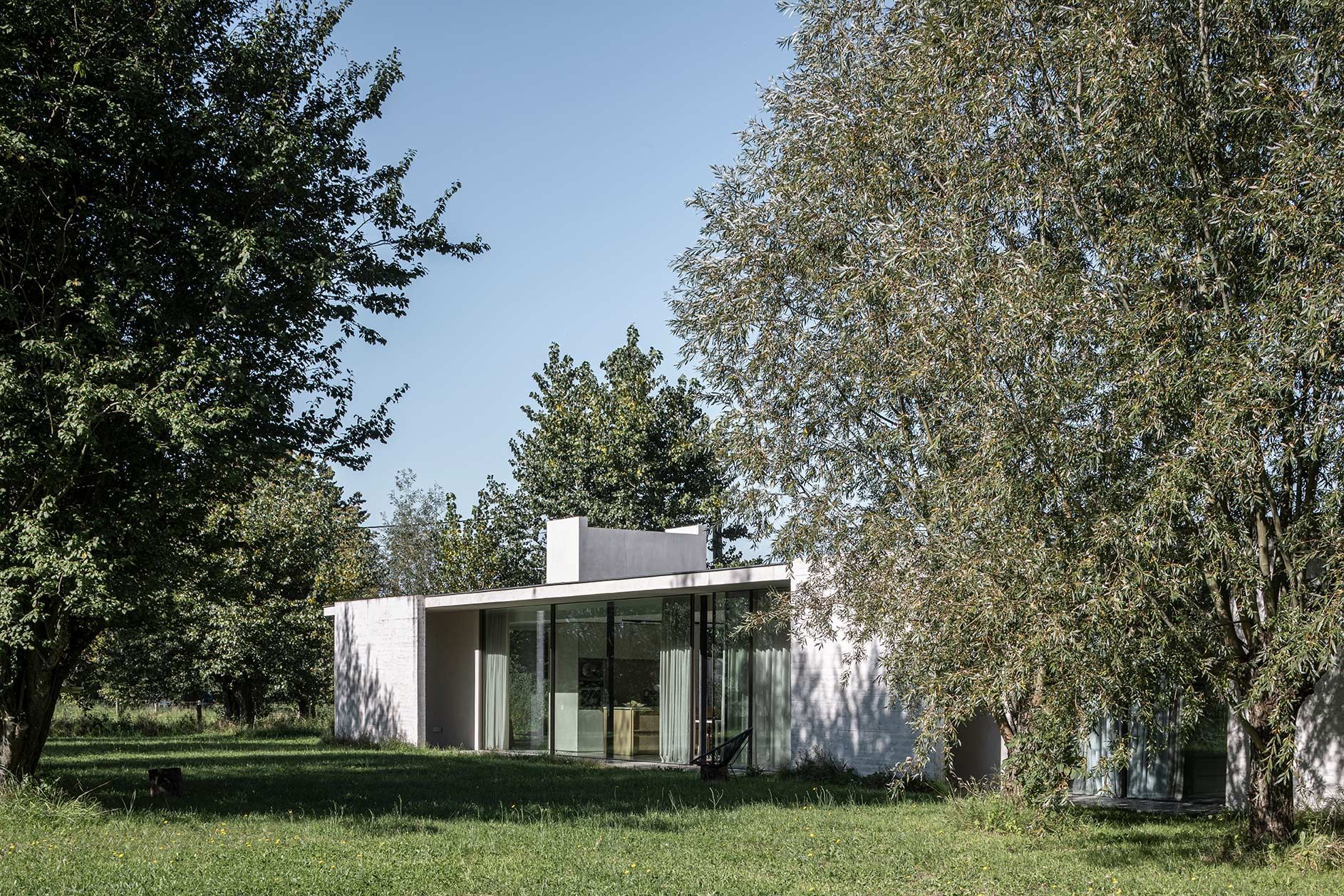
Villa P in Nazareth | Steven Vandenborre | © Tim Van de Velde
Maintaining Local Identity
Many cities risk losing their unique character as modern buildings adopt similar glass-and-steel styles that are prevalent worldwide. Architects are tasked with designing structures that reflect local culture and history while incorporating contemporary techniques and materials. This entails paying close attention to details such as texture, color, and scale to create buildings that feel authentic.
The challenges in modern urban architecture require a thoughtful and strategic approach. Architects must find solutions that address limitations related to space, regulations, sustainability, and cultural identity without compromising quality or design. The best urban architecture supports not only the physical structures but also the communities that live and work within them.


